/pic3750232.jpg)
/pic4327788.jpg)
/pic6152839.jpg)
/pic3750232.jpg)

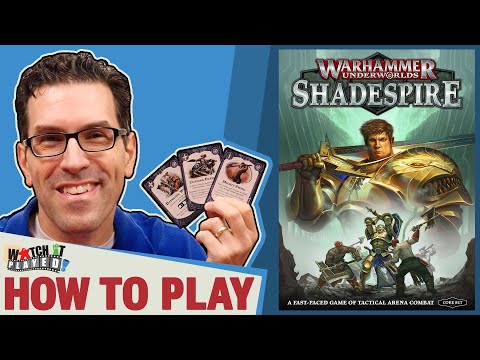






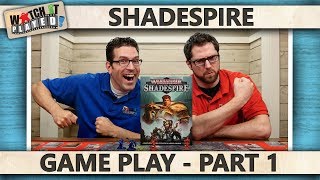














Warhammer Underworlds: Shadespire Deep Dive
What the Community Thinks About Warhammer Underworlds: Shadespire
Reviewers consistently highlight Warhammer Underworlds: Shadespire as a standout entry point into competitive miniatures gaming. JestaThaRogue frames it as a collectable tournament game, Tabletop Minions celebrates its low-commitment skirmish scale, and The Secret Cabal Gaming Podcast sees it as proof of a paradigm shift at Games Workshop. The game appeals equally to seasoned hobbyists and newcomers seeking a focused, high-intensity experience. Push-fit miniatures assemble quickly without glue, eliminating barriers that traditionally plagued miniatures gaming, and a full game finishes in under an hour while keeping decisions meaningful throughout.
Core Mechanics That Define Warhammer Underworlds: Shadespire
Grid-Based Combat with Dice Engagement
Movement across Shadespire's hex board is restricted and intentional, rewarding positioning as much as raw power. Each fighter has a movement value that sets its range per activation, and combat centers on opposed dice rolls between attacker and defender, resolved by matching symbols. The critical symbol acts as a universal hit that ignores defender rolls, injecting volatility and drama into every exchange. Nearby friendly fighters provide support, mechanically representing teamwork, so as attackers gain support advantage they convert extra symbols into hits, layering decisions around board position and fighter placement.
Deck-Building and Objective-Based Victory
Rather than rewarding total elimination, Shadespire splits glory into two streams: combat victories and objective completion. Players build objective decks and power-card decks before the game, with upgrades and ploys offering situational advantages. Objectives trigger during the end phase when specific board positions are held or combat conditions are met, letting players pivot strategy between rounds. This split focus means a warband can lose fighters yet still win through superior objective play, and the three-round structure keeps pacing tight so no single mechanic dominates the final glory count.
The Warhammer Underworlds: Shadespire Experience
Quick Setup, Fast Play, Deep Strategy
Games conclude in roughly thirty minutes, making Shadespire ideal for multiple rounds in a session or a quick lunch-break match. The double-sided board and modular objective placement ensure no two battlefields feel identical, and players roll off to determine placement order, adding tension before fighters even touch the board. Once play begins, activation alternates between rivals while power-card reactions create back-and-forth momentum. Each activation flips a token, forcing difficult choices as players burn through their limited activations per round, asking whether to gamble on an ambitious charge or consolidate position and draw cards.
Accessible Assembly and Presentation
The included warbands feature push-fit construction, snapping together by friction without glue, and each arrives in a distinct color so paint is not a barrier to play. The miniatures stay highly detailed despite their small scale, letting painters enhance them without demanding mastery. Reviewers praise this accessibility, noting that the hobby becomes about playing quickly rather than spending weeks on assembly and painting before a single game reaches the table.
What Makes Warhammer Underworlds: Shadespire Stand Out
Skirmish Scale Entry to Competitive Miniatures Gaming
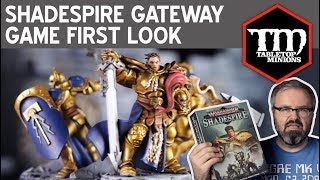
Shadespire occupies a unique niche between lightweight board games and demanding army-scale wargames. A player invests in only a handful of fighters per warband, removing the psychological weight of painting and storing a hundred-model army. This accessibility opened Shadespire to card-game players and non-hobbyists who wanted competitive, dice-driven play without the painting commitment, and Tabletop Minions highlighted how the small model count makes the hobby side genuinely inviting. The game became a gateway that proved competitive miniatures gaming could exist in a compressed format.
Games Workshop's Paradigm Shift in Action
Shadespire exemplifies Games Workshop's turn toward accessible, community-engaged design. The push-fit assembly, clear rulebooks, and pre-constructed decks lower entry friction, and the game arrives ready to play within minutes, targeting board gamers and casual players rather than assuming deep hobby knowledge. The Secret Cabal Gaming Podcast pointed to this as part of a broader, hugely successful shift toward starter games and diverse product lines that welcome new audiences while retaining competitive depth for veterans.
Potential Drawbacks
Limited Customization in the Base Game
First-time players use pre-constructed power and objective decks, which restricts early strategic exploration. While the included decks are balanced for learning, real deck customization requires buying additional warband boxes, and competitive play involves significant card trading that can fragment a community when players lack access to popular cards. The extra card pack in the core box allows deck-building from the start, but only for those willing to engage with deeper rules on turn one.
Push-Fit Assembly Requires Care
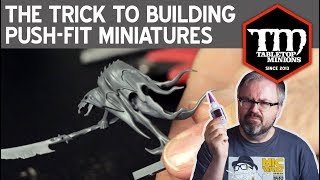
Although push-fit eliminates glue, the tight tolerances that enable friction-fitting can create assembly challenges. If posts and sockets misalign, gaps appear between components. Reviewers recommend gently shaving posts to ease insertion while keeping structural integrity, and warn that even small amounts of glue risk hydraulic pressure that prevents pieces from seating fully. Players used to traditional multi-part assembly may find the push-fit process unintuitive at first, though the learning curve is brief.
If You Enjoy Warhammer Underworlds: Shadespire
Players drawn to Shadespire's blend of deck-building and tactical positioning often transition to Kill Team, Games Workshop's 40K skirmish game, which uses standard models at squad scale with the same emphasis on tight positioning and limited counts. Those seeking deeper card synergy may explore Magic: The Gathering, which offers far more deck customization without the miniatures element. Zombicide appeals to players who prefer cooperative play over head-to-head competition while keeping approachable rules, and for hex-grid tactical combat in a fantasy setting, Gloomhaven delivers dungeon-crawling battles without the competitive edge.
What Reviewers Are Saying
"It is a collectable tournament game with ever-updating rules. In Shadespire, each player controls a warband using a customized deck to kill the opposition and complete objectives to gain glory. The player with the most glory wins."
— JestaThaRogue
"One of the big benefits of skirmish games is that you only need a few models. We got together at a local shop playing Shadespire, and it was just really nice. I'm really looking forward to painting my warband, because it's just a handful of figures, not a hundred."
— Tabletop Minions
"I really am into the games where I'm playing 40,000, Necromunda, Shadespire. I just love the games that they produce, and Warhammer Underworlds has completely had a major paradigm shift in how they do business, and it couldn't be more awesome."
— The Secret Cabal Gaming Podcast