/pic8020338.jpg)























Wroth Deep Dive
What the Community Thinks About Wroth
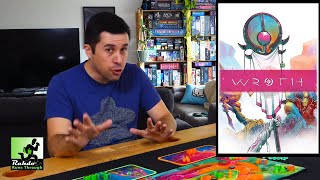
Reviewers who got hands-on with Wroth from Chip Theory Games, designed by Manny Trembley, describe a small, contained area-control game that hits well above its price point. Rahdo Runs Through called it solid from the first sit-down, praising how a normally sprawling publisher delivered something tight and immediate. Board Game Critique ran Wroth head-to-head against Nexus Ops and Battle for Rokugan and named it the pick for players who want tactical optimization without excessive rules, citing its five asymmetric factions, custom acrylic dice, and a legitimate solo and two-player mode as reasons it stood apart from the other two games. Board Game Buzzz placed it at the top of a year-end favorites list, with one host calling it the game that "makes players feel powerful" through once-per-game faction abilities.
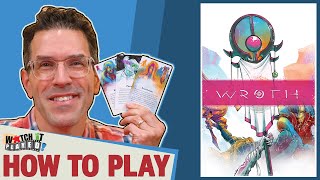
The community does not agree on everything. Wroth's neon, synthwave art style split opinion even among fans: Rahdo Runs Through admitted the look is "a little loud" by personal taste while still applauding the boldness, and Board Game Critique flatly labeled the aesthetic polarizing. Solo and cooperative play drew the sharpest disagreement. Beyond Solitaire previewed a prototype build and found the AI faction genuinely difficult to handle, while Banter and Boards played a further-along solo scenario and rated it a D, calling the experience convoluted and unrewarding. Several sources reviewed pre-release copies: Wroth ran a Gamefound crowdfunding campaign, and Foster the Meeple disclosed that its prototype copy was sent by Chip Theory Games as an unpaid review copy, Beyond Solitaire disclosed an existing paid relationship with Chip Theory Games on a separate project, and Watch It Played noted that Chip Theory Games helped sponsor its teaching video.
Core Mechanics That Define Wroth
Dice Drafting With a Built-In Comeback
Meeple University laid out the round structure: players deploy troops, roll a shared pool of action dice, then draft them one at a time before spending the dice they picked to mine resources, deploy more troops, maneuver, or attack. Each player also controls a special all-seeing die that can double an action or strike anywhere on the map. After the draft, one die is always left over, and Meeple University described it going to whoever has the fewest victory points as a built-in catch-up mechanic. Rahdo Runs Through unpacked why that extra die matters so much: at three or four players everyone drafts only two dice, so a bonus third die is a much larger swing in available actions than the same bonus would be in a two-player game where players already draft three, and that reviewer credited the mechanic with producing real comebacks from last place.
Area Control Through Asymmetric Factions
Board Game Critique named the five base factions directly: Aldan value order and precision, Guild operates through knowledge and shadow tactics, Kota channel the essence of a great bear, Ugland are agents of chaos and malevolence, and Runin are unmovable defenders. Rahdo Runs Through echoed the same roster in practice, describing a thieves-guild faction, a zombie-orc horde, and a bear-themed faction that sets traps with its dice instead of relying on unique units. Meeple University explained the underlying scoring: a faction with the most troops in a region controls it and scores that region's point value, while being the sole faction present earns a domination bonus on top. Board Game Buzzz added that some elite troops score points just for occupying certain spots, layering another decision into where troops end up at the end of a round.
The Wroth Experience
A Tight, Confrontational Table
Rahdo Runs Through summed up the pacing directly: a small, contained design compared to how expansive most Chip Theory releases run, calling it a knife fight in a phone booth. Board Game Buzzz described the same intensity from the player seat, noting close races from the opening turns and constant pressure once a faction starts to pull ahead. That reviewer also flagged the tradeoff: enjoying Wroth means being comfortable with confrontation and with losing, since strong positions draw immediate retaliation from the rest of the table.
Bold, Divisive Presentation
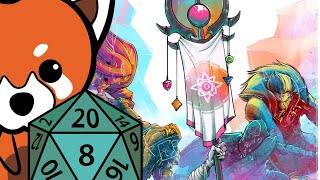
The neon, synthwave look draws consistent comment. Rahdo Runs Through called it the game's most divisive element, personally loving the bold colors and sketchy art direction while acknowledging some players will find it garish or over the top, and credited Manny Trembley with the illustration and creative direction. Board Game Critique framed the same production values in dollar terms: a thick neoprene playmat, spill-proof plastic cards, and heavy acrylic custom dice delivered for a base price the reviewer considered premium for what buyers get.
What Makes Wroth Stand Out
A Catch-Up Mechanic With Teeth
Board Game Buzzz singled out the last-place bonus die as more than a token gesture, describing a scenario where a trailing faction used the extra die to split troops across several adjacent regions in a single turn and swing from last place to first by the end of the round. That reviewer contrasted it with games where trailing players resign themselves to a loss, arguing Wroth keeps everyone fighting until the final scoring.
Approachable Rules, Real Depth
Board Game Buzzz also praised how straightforward the turn structure is to teach even though every faction plays differently once learned, so new players are not stuck memorizing a heavy rulebook per character. Rahdo Runs Through made a related point about the game's restraint: the base actions stay simple by design, which keeps the complexity in the strategic decisions rather than in remembering what each die or ability actually does, and called that choice a deliberate improvement over a design that could easily have buried players in faction-specific exceptions.
Potential Drawbacks
Solo and Co-op Still Finding Their Footing
Beyond Solitaire, reviewing a prototype with only one available scenario, found the AI faction unexpectedly brutal and said it was not yet possible to fully judge how the solo and cooperative modes would land, while noting confidence that Chip Theory Games tends to polish crowdfunded systems by launch. Banter and Boards played a further-along build and reached a harsher verdict, grading the solo mode a D and describing it as convoluted, limiting, and consistently frustrating rather than fun, noting it was the least favorite solo experience played that day.
Not Built for Every Group
Board Game Critique noted that executing a precise, deterministic sequence toward the 30-point target feels rewarding for players who like tactical optimization but can feel sterile for players who prefer chaotic, dice-driven swings, contrasting it with a rival design built around dramatic randomness. Board Game Buzzz reinforced that Wroth demands a group willing to accept confrontation and setbacks, since the game's structure pushes players to target whoever is ahead rather than letting a leader coast.
If You Enjoy Wroth
Board Game Critique ran the most direct comparison, pitting Wroth against Nexus Ops and Battle for Rokugan as three area-control games competing for the same shelf space. That reviewer recommended Wroth for players who want the widest player-count flexibility and a legitimate solo mode, pointed toward Nexus Ops for groups chasing beer-and-pretzels dice chaos and dramatic comeback stories, and reserved Battle for Rokugan for consistent four to five player groups who enjoy bluffing and psychological tension, provided it can be found near its original price.
What Reviewers Are Saying
"And don't get me wrong, I like that just fine. But I love how contained this is. This is a knife fight in a phone booth."
— Rahdo Runs Through
"I love it when games give all players a strong chance to come back until the very end. Now, to be dead honest, as much as I love Wroth, this is not a game that I would play with many groups because they have to be okay with losing."
— Board Game Buzzz
"Wroth delivers tactical satisfaction. When you execute a perfect three turn sequence, hitting 30 VP exactly. That feels incredibly rewarding, but can feel sterile for chaos lovers."
— Board Game Critique