















Collection Status
Your Rating
Year Published
2025
Featured Videos
Playthrough
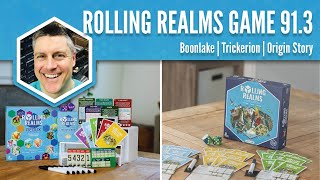
Origin Story Playthru
Transcript Analysis
Browse transcript mentions, sentiments, pros/cons, mechanics, topics, quotes, and references.
Total mentions: 28
This page: 28
Sentiment:
pos 22 ·
mix 2 ·
neu 3 ·
neg 0
Showing 1–28 of 28
Video BPbl0rS0_lw
mail playthrough at 0:58 sentiment: neutral
video_pk 62807 · mention_pk 155505
Click to watch at 0:58 · YouTube ↗
Overall sentiment (raw)
neutral
Pros
none
Cons
none
Thematic elements
Comparison games
none
Mechanics (from transcript analysis)
Mechanics unknown.
Video topics + discussion points
No key topics recorded for this video.
Quotes (from this video)
- We brought along a few Stonemer games and filmed ourselves playing them.
- Origin Story in a yurt that's in the middle of nowhere with no cell reception.
- we thought we would try to challenge ourselves this year and see how remote we can take Stonemer Games and film a mill video.
References (from this video)
No references stored for this video.
Video -L1mS9MabYE
Ryan and Bethany Board Game Reviews game_review at 0:16 sentiment: mixed
video_pk 62210 · mention_pk 154724
Click to watch at 0:16 · YouTube ↗
Overall sentiment (raw)
mixed
Pros
- Theme provides a narrative frame that complements the trick-taking mechanics
- Story progression across rounds adds depth beyond standard trick-taking
- Special abilities tied to stamina offer strategic choice
- Two-player sidekick variant exists and works reasonably
Cons
- Does not dramatically differentiate itself from other trick-taking games
- Two-player variant is not as strong as the four-player version
- Theme can feel forced or overemphasized compared to pure mechanics
- Best experienced with four players
Thematic elements
- Superhero origin, personal backstory creation, gadgets, allies, and a possible arch-nemesis
- A five-round trick-taking game where players build a superhero or villain backstory with gadgets and allies.
- Story-progressive with evolving abilities as rounds reveal more of the backstory
Comparison games
none
Mechanics (from transcript analysis)
- hidden selection with simultaneous reveal — Players secretly choose hero or villain at the start of a round and reveal simultaneously.
- Resource management — Activating action abilities consumes stamina, limiting how many abilities can be used per round.
- round-based progression with events — Each round introduces new events and additional abilities, gradually expanding gameplay and story elements.
- Simultaneous reveal — Players secretly choose hero or villain at the start of a round and reveal simultaneously.
- Stamina resource management — Activating action abilities consumes stamina, limiting how many abilities can be used per round.
- Trick-taking — Players play cards each round; hero scores 1 point per trick, villains score 4 points if they score nothing; simultaneous reveal of hero/villain before each round.
- two-player sidekick variant — In two-player mode, a sidekick accompanies the hero and participates in tricks; sidekick points do not count toward the player's personal score.
Video topics + discussion points
No key topics recorded for this video.
Quotes (from this video)
- This game kind of spoon feeds itself to you.
- The sweet spot is four players; this shines at that count.
- This was an okay trick taking game.
- Thematically you're kind of building your story as well at the same time.
References (from this video)
No references stored for this video.
Video iVM0L_YEPsE
general_discussion at 3:19
video_pk 61354 · mention_pk 154034
Click to watch at 3:19 · YouTube ↗
Pros
none
Cons
none
Thematic elements
Comparison games
none
Mechanics (from transcript analysis)
Mechanics unknown.
Video topics + discussion points
No key topics recorded for this video.
Quotes (from this video)
- this game is so creative because you get to play kind of each of your favorite games in it.
- the box is organized in such a way that each of the cards are separated by color.
- it's very fun to try and beat the courses and see how many um, attempts it takes you to do it.
References (from this video)
No references stored for this video.
Video Cd6SrrCa79c
Allies Arene Enemies game_review at 0:10 sentiment: positive
video_pk 61004 · mention_pk 153391
Click to watch at 0:10 · YouTube ↗
Overall sentiment (raw)
positive
Pros
- Strong, varied, game-breaking story cards that drive every game
- Thematic watercolor art and well-designed components
- Multiple play modes (2P, 3-5P, and solo) offering distinct experiences
- Memorable asymmetrical power ramps and exciting endgame twists
- Good player boards and dials for tracking scores and stamina
- Clear thematic integration that makes the tableau-building feel meaningful
Cons
- Complex tracking of many powers can be memory-intensive, especially at higher counts
- Some cards can feel overpowered or swingy, risking unbalanced outcomes
- In two-player mode, the villain option is less impactful and requires strategic adaptation
- Balance of superhero cards can feel uneven across different player counts
Thematic elements
- narrative-driven superhero competition with evolving abilities via story cards and events
- Superhero universe with a five-round trick-taking structure where players build a tableau representing their hero or villain identity
- story-arc progression through round-based powers and event-driven twists
Comparison games
- Riptide from the Marauders
- Multiple Man
Mechanics (from transcript analysis)
- allegiance selection — each round players choose hero (positive points per trick) or villain (points for failing to win any tricks); allegiance affects scoring
- event cards — one event card appears in round three that impacts all players with a game-wide effect
- Events — one event card appears in round three that impacts all players with a game-wide effect
- round-based progression — five rounds with increasing complexity; round three introduces a global event; round five reveals a final powerful power
- solo/two-player modes — distinct configurations for two-player and solo play, each with its own pacing and strategy
- stamina tokens — resources spent to power up abilities; higher-powered cards cost more stamina and reduce options for other cards
- Story cards — at the start of each round, players choose one of three story cards to add to their player board, granting ongoing or round-specific powers and effects
- Trick-taking — lead card; other players must follow suit if able; highest card in lead suit wins unless a heart (wild/supersuit) beats all
Video topics + discussion points
No key topics recorded for this video.
Quotes (from this video)
- the cards feel broken
- these are all incredibly useful and very variable
- three different games in this box
- I think a better game at more players
References (from this video)
No references stored for this video.
Video xozdf9UNHJY
Just the Rogue rules teach at 0:01 sentiment: neutral
video_pk 34593 · mention_pk 103055
Click to watch at 0:01 · YouTube ↗
Overall sentiment (raw)
neutral
Pros
- Clear rules explanation and a well-structured five-round flow
- Strong thematic integration with hero/villain dynamics
- Two-player variant adds replayability and asymmetry
- Rich interaction through abilities and stamina economy
Cons
- Complex system with many moving parts could be intimidating for beginners
- Some interactions with sidekicks in two-player mode may feel limited or jarring
Thematic elements
- Heroes vs Villains and the tension of doing good (or avoiding winning) for points
- A superhero world where players discover powers across a five-round trick-taking game
- Competitive, role-based trick-taking with evolving powers and alignment
Comparison games
none
Mechanics (from transcript analysis)
- ability_charging — Charge various abilities by placing stamina on cards and dials, with some requiring multiple slots.
- alignment_mechanic — Each round, players reveal alignment (hero or villain) affecting scoring.
- card_value_modification — Abilities can modify card value or suit; tie-breaking favors earlier card.
- Compound Scoring — Points earned based on tricks won and alignment; end-of-round adjustments occur.
- event_card_mechanic — In round three, a one-time event card modifies gameplay rules.
- Events — In round three, a one-time event card modifies gameplay rules.
- hand management — Deal eight cards to each player and manage hand with charging of abilities.
- hand_management — Deal eight cards to each player and manage hand with charging of abilities.
- round_based_scoring — Points earned based on tricks won and alignment; end-of-round adjustments occur.
- stamina_resource — Stamina tokens are spent to charge abilities; unused stamina persists within round.
- Trick-taking — Eight tricks per round; lead suit rules; love is the trump suit.
- two_player_variant — A separate two-player setup introduces phantom sidekicks and altered play.
Video topics + discussion points
No key topics recorded for this video.
Quotes (from this video)
- You're a superhero discovering your powers across five rounds of trick taking.
- Will you fight for justice or win tricks or go full villain and carefully avoid winning even one?
- Love is the trump suit.
- The winner of the trick will gather all the cards played and keep them in a stack in their play area and will lead the next trick.
References (from this video)
No references stored for this video.
Video OnbYX7Zkha8
Cray rules teach at 0:04 sentiment: neutral
video_pk 28976 · mention_pk 85147
Click to watch at 0:04 · YouTube ↗
Overall sentiment (raw)
neutral
Pros
none
Cons
none
Thematic elements
- Superhero origin stories with hero vs. villain alignment
- Superhero origin adventures across five rounds with engine-building and trick-taking mechanics
- story-driven progression through rounds with evolving abilities
Comparison games
none
Mechanics (from transcript analysis)
- Compound Scoring — score points from story cards and round-end alignment bonuses
- engine building — charge abilities with stamina tokens to activate powers and score points
- engine_building — charge abilities with stamina tokens to activate powers and score points
- event_card_effects — round 3 introduces event cards that modify scoring or round conditions
- hand management — choose one story card to play each round and manage two hero/villain cards
- hand_management — choose one story card to play each round and manage two hero/villain cards
- set_collection_scoring — score points from story cards and round-end alignment bonuses
- trick_taking — play eight tricks per round; lead suit rules; highest card wins; trump via yellow heart
- Trick-taking — play eight tricks per round; lead suit rules; highest card wins; trump via yellow heart
Video topics + discussion points
No key topics recorded for this video.
Quotes (from this video)
- Origin Story is played over five rounds where you'll discover your hero's origin story with cards through the mechanisms of engine building and trick taking.
References (from this video)
No references stored for this video.
Video gp60-URV_5k
Stonemire Games general_discussion at 31:31 sentiment: mixed
video_pk 28471 · mention_pk 83576
Click to watch at 31:31 · YouTube ↗
Overall sentiment (raw)
mixed
Pros
- rich theme, potential for expansions
- story-driven hero reveals
Cons
- wanted more superheroes at launch
- production packaging decisions caused issues
Thematic elements
- superpowers and destiny
- hero origin story with superheroes
- story-driven character reveals and upgrades
Comparison games
none
Mechanics (from transcript analysis)
- box art and packaging decisions — box design with two display options; back-of-box component list decision.
- co-operative work-in-progress with cards — players reveal a superhero; includes a deck of cards representing powers.
- mini-expansion potential — planning for more superheroes and villains.
Video topics + discussion points
No key topics recorded for this video.
Quotes (from this video)
- giving players some starting resources at the beginning of the game... we like to give players a little boost
- a tiny formatting thing that actually makes a big difference
- the back of the box content packaging decision required a separate sheet to show the component list
References (from this video)
No references stored for this video.
Video E0ddZQhKLOw
Cray playthrough at 0:00 sentiment: positive
video_pk 28121 · mention_pk 82282
Click to watch at 0:00 · YouTube ↗
Overall sentiment (raw)
positive
Pros
- Clear, helpful reference card that guides play and rule follow-through
- Two-player mode with sidekicks provides a compact, interactive experience
- Strong thematic integration with narrative-driven scoring and alignment choices
- Charging abilities and ally/story cards introduce meaningful engine-building decisions
- Sidekicks add tension and opportunities to influence tricks via unique effects
Cons
- Rules and interactions are fairly rich and may present a learning curve for new players
- Scoring can swing dramatically based on superhero reveals and trick outcomes
- Thematic clarity depends on correct interpretation of charged abilities and event timing
Thematic elements
- origin of a superhero, power progression across chapters
- A superhero origin tale told through episodic rounds in a two-player duel with sidekicks
- episodic, chapter-based progression with a hidden final form
Comparison games
none
Mechanics (from transcript analysis)
- alignment_mechanic — At round start, players simultaneously choose alignment (hero or villain) with different scoring goals
- character_abilities_and_charges — Characters have abilities that can be charged with stamina and triggered to modify tricks or draw/discard cards
- deck_recycle_and_reveal — Some turns involve revealing cards from the deck or allies and potentially returning them to hand after effects resolve
- end_of_round_scoring — Scores are tallied at the end of each round, including stamina-based bonuses and trick counts
- Events — Rounds may include event cards that alter the landscape and scoring opportunities
- hand management — Players manage a hand of cards and sidekick cards, choosing which to play and which to replenish or discard
- hand_management — Players manage a hand of cards and sidekick cards, choosing which to play and which to replenish or discard
- round_events — Rounds may include event cards that alter the landscape and scoring opportunities
- sidekicks — Each hero has sidekick cards that must be played by the corresponding player and influence trick outcomes
- story_cards_and_charging — Each round begins with selecting and charging story/ally cards to modify abilities and scoring
- trick_taking — Players and their sidekicks play cards to win tricks; lead suit must be followed; a trump suit (color) can win tricks regardless of lead if present
- Trick-taking — Players and their sidekicks play cards to win tricks; lead suit must be followed; a trump suit (color) can win tricks regardless of lead if present
Video topics + discussion points
No key topics recorded for this video.
Quotes (from this video)
- This is origin story.
- There can only be one.
- The best part about that is it's all on this handy dandy reference card right here.
- We are playing the two-player version.
- Origin Story is a two-player version.
References (from this video)
No references stored for this video.
Video Smy1WruvwYA
Stoneire playthrough at 0:00 sentiment: positive
video_pk 13758 · mention_pk 40217
Click to watch at 0:00 · YouTube ↗
Overall sentiment (raw)
positive
Pros
- Strong thematic integration with superhero origin storytelling
- Engaging solo mode with dynamic Vanguardian bots that provide strategic variation
- Clear and expressive trick-taking core mechanics with flavorful trump (Love) and lead-follow rules
- Story cards and built-in character abilities add narrative depth and replay potential
Cons
- Solo rules can be complex to learn and require careful setup (event deck, difficulty dial, leadership options)
- AI behavior is deterministic and may feel predictable over repeated plays
- End-of-round scoring and some interaction mechanics can be confusing without reference cards
Thematic elements
- origin stories, heroism, and competition between heroes and villains
- A superhero origin world explored through a solo trick-taking framework with Vanguardian opponents
- panel-based storytelling with story cards and leading Vanguardians
Comparison games
- Euphoria Worm Span
Mechanics (from transcript analysis)
- Alignment (hero/villain) and scoring — Players choose to be a hero (score points for tricks) or a villain (score differently, e.g., points if you win no tricks); alignment influences end-of-round scoring.
- boss battler — Autonomous opponents ( Automaton, Facreon, etc.) are revealed to have fixed behaviors and limited information that players must react to during each trick.
- Character boards and stamina resource — Each player has a character with a stamina pool that can be charged to power abilities; stamina can be spent to draw or alter hands and effects.
- Combat: Deck/Hand — Solo mode uses a special mini-event deck; players can adjust difficulty to alter the mix of events and impact the challenge level.
- Deck management and card replacement — After each trick, Vanguardians draw and replace cards from the deck, adjusting hands and available options as the round progresses.
- Lead nomination and ally/leader mechanics — The lead can be transferred or nominated to another Vanguardian, granting tactical points and shifting control of the next trick.
- Solo-event deck and difficulty adjustment — Solo mode uses a special mini-event deck; players can adjust difficulty to alter the mix of events and impact the challenge level.
- Trick-taking — Players lead tricks using a lead suit; there is a trump suit (Love) that can override lead suits; rounds consist of multiple tricks with scoring tied to alignment.
- Unique bot opponents (Vanguardians) — Autonomous opponents ( Automaton, Facreon, etc.) are revealed to have fixed behaviors and limited information that players must react to during each trick.
Video topics + discussion points
No key topics recorded for this video.
Quotes (from this video)
- Origin Story, which is a trick taking game all about superhero origin stories.
- Love is the trump suit.
- There is brains, speed, strength, and love. Love is the trump suit.
- That's the superhero card revealed.
- Leadership like flight helped, telekinesis helped, and I could engineer a situation in the solo game where I could try and win the trick.
References (from this video)
No references stored for this video.
Video rujLg6Xp5WQ
Stonemire Games top_25_list at 2:51 sentiment: positive
video_pk 12595 · mention_pk 36733
Click to watch at 2:51 · YouTube ↗
Overall sentiment (raw)
positive
Pros
- Meaningful progression and engine interaction
- Clear tension from stamina resource management
Cons
- Can be complex for new players
Thematic elements
- Progression through evolving power as the game advances
- tableau building and engine-building within a trick-taking framework
- Strategic, engine- and hand-management driven
Comparison games
- Vantage
Mechanics (from transcript analysis)
- Progressive trick-taking — You become stronger as rounds progress, influencing play through tricks.
- Stamina tokens to activate powers — Limited tokens per round constrain which powers you can use.
- Tableau building with engine-building — Your tableau grows and powers your engine over the course of the game.
Video topics + discussion points
No key topics recorded for this video.
Quotes (from this video)
- Actions always succeed in Vantage; the challenge is how much time, morale, and health you lose along the way.
- the limited information of I can see something that you can't see and how that encourages communication and cooperation.
- one player is playing a card and that card has instructions that the other player must follow or you lose.
- if you roll seven bells on your turn, you just instantly win.
References (from this video)
No references stored for this video.
Video Vp6YqhGfoB8
Stoneare Games general_discussion at 7:23 sentiment: positive
video_pk 11876 · mention_pk 34793
Click to watch at 7:23 · YouTube ↗
Overall sentiment (raw)
positive
Pros
- Strong integration of trick-taking with tableau/story-building
- High replayability due to varied story cards and power cards
- Beautiful art by Clementine Campardau
- Unique two-box design concept adds visual appeal
Cons
- Potential complexity for new players
- Rulebook clarity could be a barrier for some groups
Thematic elements
- Origin stories, heroes and villains, identity building
- Modern city; superhero origin arc
- Story-driven tableau-driven progression
Comparison games
- Role Player
- Skull King
- Tapestry
- Sushi Go
- Sushi Roll
- New York Slice
- Seven Wonders
Mechanics (from transcript analysis)
- end_game_origin_reveal — Final round reveals the character you became and grants bonus points
- engine_building — Cards activate to develop your character's abilities over rounds
- hero_villain_rounds — Each round you choose to be a hero or a villain with different scoring rules
- tableau_building — Build a tableau of story cards that define powers and events
- trick_taking — Use a deck of cards to win tricks; core scoring via tricks won
Video topics + discussion points
No key topics recorded for this video.
Quotes (from this video)
- This game is called Origin Story.
- This is an engine building, tableau building, tricktaking game where you are telling your own story as you become a superhero or potentially a super villain.
- Two boxes built into one, essentially.
- You start off creating a hero and then based on cards that become revealed you can turn into a villain during the game.
- In the final round, you reveal who you've become, the superhero that you've become.
- There is a symbiotic relationship between two parts of the game.
- The art is beautiful. Clementine Campardau did a wonderful job with this.
References (from this video)
No references stored for this video.
Video 0yIV-Wv5TlA
Stonemire Games top_10_list at 30:00 sentiment: positive
video_pk 11179 · mention_pk 32871
Click to watch at 30:00 · YouTube ↗
Overall sentiment (raw)
very positive
Pros
- Deep engine-building with storytelling integration
- Strong superhero reveal moment that provides a satisfying payoff
- High replayability through varied hero choices and story outcomes
Cons
- Co-design aspect and IP familiarity may impact accessibility
- Complex rules may raise entry barrier for new players
Thematic elements
- story-driven hero development and identity reveal
- superhero tableau-building and trick-taking arc
- story-led progression with superhero reveal at the end
Comparison games
- Duel for Cardia
- Vantage
- Finsspan
Mechanics (from transcript analysis)
- level-up and reveal — players level up their superhero identity as the game progresses
- Simultaneous reveal — players level up their superhero identity as the game progresses
- Storytelling — player choices influence the narrative arc and superhero reveal
- storytelling progression — player choices influence the narrative arc and superhero reveal
- tableau-building with trick-taking — engine-building through tableau with trick-taking challenges and hero reveals
Video topics + discussion points
No key topics recorded for this video.
Quotes (from this video)
- In the world of Vantage, nobody cares that I'm trans. I'm merely a passer by chatting with the Denizens, playing games, and participating in trials.
- Dispatch is eight scenarios. It's a little bit like a superhero animated TV show where you are making story choices.
- Inkorn is a deck builder in the style of Slay the Spire, but it adds a lot of things that aren't in Slay the Spire without overly complicating the game.
- Here Lies is a cooperative mystery solving game that does a brilliant thing with limited communication and limited information where one player has all the answers.
References (from this video)
No references stored for this video.
Video IU5kB51mCXI
Stonemire Games general_discussion at 30:23 sentiment: positive
video_pk 10788 · mention_pk 31839
Click to watch at 30:23 · YouTube ↗
Overall sentiment (raw)
very_positive
Pros
- strong thematic hook with superheroes
- interactive and teachable
Cons
- potentially steep learning curve for new players
Thematic elements
- heroic teamwork and strategic tableau
- superhero-themed trick-taking and tableau-building
- story-driven engine and trick-taking fusion
Comparison games
- KeyForge
- Dune: Imperium
Mechanics (from transcript analysis)
- engine_building — multi-layer action engine driving player choices
- tableau_building — build a personal tableau of powers and combos
- trick_taking — engine-building layered on trick-taking fundamentals
Video topics + discussion points
No key topics recorded for this video.
Quotes (from this video)
- My job is to serve you. My job is to bring joy to your tabletop.
- Expeditions ... is a sequel very much mechanically and thematically.
- We are here to serve you and bring joy to your tabletop.
References (from this video)
No references stored for this video.
Video _M8cZZ9TdVA
Watch It Played / Board Game Review Channel top_10_list at 3:57 sentiment: positive
video_pk 10684 · mention_pk 94153
Click to watch at 3:57 · YouTube ↗
Overall sentiment (raw)
positive
Pros
- Trick taking with substantial additions around core mechanic
- Superhero/villain theme adds narrative depth
- Story cards create progression feeling
- Niche appeal for trick-taking enthusiasts
Cons
none
Thematic elements
- Superheroes vs villains with narrative building
- Superhero/Villain universe
- Story card development with player progression
Comparison games
none
Mechanics (from transcript analysis)
- Events — Thematic events add variety and excitement
- Powers — Each character has special powers affecting gameplay
- Role selection — Players become superheroes or villains, determining if they want to win tricks
- Story cards — Build a personal story by playing cards in front of you, enhancing moves and actions as game progresses
- Storytelling — Build a personal story by playing cards in front of you, enhancing moves and actions as game progresses
- Trick taking — Play card of same color as lead, highest card wins the trick
- Trick-taking — Play card of same color as lead, highest card wins the trick
- Unique player powers — Each character has special powers affecting gameplay
Video topics + discussion points
No key topics recorded for this video.
Quotes (from this video)
- It's a boss fighting game with QR codes. In this game, you're going to get pick one of four heroes and then mix it with one of the four classes
- Every other page in the rule book has this info about how the mechanisms in the game relate to real life
- It's a dice placement game by Stefan Feld. What else do you need to know?
- It's basically trick taking game with a lot of things around it
- If you lose an auction, you also get some rewards
- Let us know which ones are you most excited to try down in the comments
References (from this video)
No references stored for this video.
Video EsMicHUceBE
Positively Board Gaming general_discussion at 20:00 sentiment: positive
video_pk 10585 · mention_pk 31183
Click to watch at 20:00 · YouTube ↗
Overall sentiment (raw)
positive
Pros
- Compact packaging and effective organization
- Encourages customization and inserts culture
Cons
none
Thematic elements
Comparison games
none
Mechanics (from transcript analysis)
- inserts and box organization — Custom inserts and components designed to organize a game structure.
Video topics + discussion points
No key topics recorded for this video.
Quotes (from this video)
- remove cards that add a take that element to an otherwise not take that kind of game.
- It is. And I use the word empowering.
- don't be afraid to remove that card
- pairing people up because when you think about it
- the 3D printing community is very open and sharing
References (from this video)
No references stored for this video.
Video EpW3nJZXsg4
Before You Play top_4_list at 26:23 sentiment: positive
video_pk 10335 · mention_pk 30507
Click to watch at 26:23 · YouTube ↗
Overall sentiment (raw)
positive
Pros
- strong theme integration with origin-story progression
- highly customizable with a large pool of story cards and possible combinations
- great depth at higher player counts; engaging for trick-takers fans
Cons
- two-player experience is not as robust as multiplayer
- learning curve for new players due to many moving parts and story-card interactions
- balance of story cards can feel uneven for some groups
Thematic elements
- origin-story progression with trick-taking core
- five rounds to build a superhero from humble origins
- story-card driven progression with evolving abilities and alliances
Comparison games
- Other trick-taking games
- General origin-story themed deck-builders
Mechanics (from transcript analysis)
- Origin arc across five rounds — Two face-down potential final forms introduced in round five; reveal to determine final build
- Simultaneous hero/villain choice and round scoring — Before each round players decide to pursue superhero or villain scoring; round outcomes hinge on tricks and story card interactions
- Story cards and stamina as resources — Three story cards per round grant abilities; each card requires stamina to charge and activate
- Trick-taking core with a trump-like suit — Must-follow rounds with a single trump suit; scoring via tricks and strategic story cards
Video topics + discussion points
No key topics recorded for this video.
Quotes (from this video)
- "it's basically like a Cabo."
- "The arc is just right."
- "Love is the trump. Love trumps all."
References (from this video)
No references stored for this video.
Video wkxHYQajNsU
Board Stupid general_discussion at 7:21 sentiment: positive
video_pk 9550 · mention_pk 28260
Click to watch at 7:21 · YouTube ↗
Overall sentiment (raw)
positive
Pros
- wild, high-energy powers
- great production and thematic cohesion
- strong multiplayer potential
Cons
- could be heavy for casual players
- learning curve around powers and timing
Thematic elements
- origin stories, powers, and dramatic arcs
- comic-book superhero origin narrative
- pulsing, comic-book-inspired storytelling
Comparison games
- Tichu (as a comparison to trick-taking feel)
Mechanics (from transcript analysis)
- card drafting — draft powers and abilities to influence tricks
- Trick-taking — play tricks to gain power and progress in the story
Video topics + discussion points
No key topics recorded for this video.
Quotes (from this video)
- This is a trick-taking game that isn’t afraid to be completely wild.
- The production is stunning. Unreal, really.
- Heavy as balls, Matt—that's a serious Euro.
- One of the best two-player games of the year, no question.
References (from this video)
No references stored for this video.
Video qun0hi0iMVk
Cardboard Herald top_10_list at 12:53 sentiment: positive
video_pk 9405 · mention_pk 27783
Click to watch at 12:53 · YouTube ↗
Overall sentiment (raw)
positive
Pros
- cohesive, aspirational package comparable to Wingspan's quality for Stonem
- strong single-turn agency and hero-vs-villain dynamic
Cons
- trick-taking bubble in the current climate of many such games
Thematic elements
- development of heroes through evolving powers
- superpowered tableau-driven trick-taking with drafting
- thematic, high-energy, cinematic
Comparison games
- Wingspan
Mechanics (from transcript analysis)
- arc-based decision-making — decisions influence hero development and future options
- trick-taking with tableau-building — combine trick-taking with developing hero powers and tableau
Video topics + discussion points
No key topics recorded for this video.
Quotes (from this video)
- 2025 was a banner year for gaming.
- pure uncut, unadulterated top 10 games of 2025.
- El Paso... production absolutely sucks and yet is still a really good game.
- Origin Story is a riff on trick-taking and tableau building.
- Kinfire Council is not just adaptation; it rethinks genre boundaries.
- It's not Pandemic. It's so smart. It's climactic.
References (from this video)
No references stored for this video.
Video rkl3EOldMR8
Stonemire Games general_discussion at 22:36 sentiment: positive
video_pk 9120 · mention_pk 26875
Click to watch at 22:36 · YouTube ↗
Overall sentiment (raw)
positive
Pros
- engaging origin-themed theme
- fits well into family game night
Cons
- no explicit details available in transcript
Thematic elements
- origins and development of worlds
- Fictional world-building genesis
- mythic/legendary
Comparison games
- Vantage
Mechanics (from transcript analysis)
- card_drafting — Draft cards to influence the origin stories of your worlds.
Video topics + discussion points
No key topics recorded for this video.
Quotes (from this video)
- World Wonders is a polyomino game where you're placing mostly flat tiles, but every now and then you're placing a big chunky wonder and it has just a really good set of mechanisms.
- Fairy Ring was a really really neat twist on a drafting game where you're drafting cards like in seven wonders, but you were also moving a fairy around the table onto all the stacks of cards that other players have played.
- I love the joy of browsing without buying.
- It's unlike anything else we've ever played and we love it.
References (from this video)
No references stored for this video.
Video a66rQr_23ys
Stonemire Games general_discussion at 2:44 sentiment: positive
video_pk 8252 · mention_pk 24180
Click to watch at 2:44 · YouTube ↗
Overall sentiment (raw)
positive
Pros
- Dense content with thematic depth
- Strong integration of mechanics to mimic civilization growth
Cons
- Steep learning curve for new players due to depth and breadth
Thematic elements
- Origin and evolution of societies
- Fantasy world-building where civilizations arise through narrative-driven card play
- Story-driven with evolving era milestones
Comparison games
none
Mechanics (from transcript analysis)
- deck-building — Acquire and play cards to shape civilizations and actions.
- engine-building — Cards synergize to enable stronger future turns and more efficient resource generation.
Video topics + discussion points
No key topics recorded for this video.
Quotes (from this video)
- Origin Story and Vantage again this past weekend and they are so so great.
- It was the best game of Flip Seven that I've ever had.
- I played Dave the Diver for about an hour last night and had a lot of fun with it.
- I've played Point Salad, but I have not played Point City.
- I run a board gaming club at my school in which I have been playing Obsession and Brass Lancashire.
References (from this video)
No references stored for this video.
Video 4dBAH4__gVA
The Dice Tower top_10_list at 55:00 sentiment: positive
video_pk 8099 · mention_pk 23831
Click to watch at 55:00 · YouTube ↗
Overall sentiment (raw)
positive
Pros
- Clever combination of trick-taking with evolving abilities
- Compact playtime for a dense card-driven experience
Cons
- Art and components may deter some players
- Mechanics require careful planning to maximize synergy
Thematic elements
- Origin and evolution of powers in a two-player or two-person-oriented setup
- Super-heroic adventure motif with deep, deck-driven interactions
- Campaign-like with evolving abilities and a strong hero-versus-hero flavor
Comparison games
- Revolver
Mechanics (from transcript analysis)
- Resource-based engine-building — Players assemble a deck that enables stronger actions as the game progresses.
- Trick-taking veneer with evolving powers — Powerful cards provide ongoing effects that change how rounds are played.
Video topics + discussion points
No key topics recorded for this video.
Quotes (from this video)
- Would you say that the main message behind this game is that only suckers take the bus?
- It's a masterpiece of a game.
- This is a big game actually. A roll and write, Tend.
- Aridia is a masterpiece of a game.
References (from this video)
No references stored for this video.
Video XagX1hVgKH0
The Dice Tower top_12_list at 6:01 sentiment: positive
video_pk 7757 · mention_pk 22901
Click to watch at 6:01 · YouTube ↗
Overall sentiment (raw)
positive
Pros
- one of the more thematic takes on trick-taking
- clear sense of progression and character identity
- strong thematic flavor shining through mechanics
Cons
- trick-taking background can feel abstract to newcomers
- thematic weight may overwhelm lighter players
Thematic elements
- superhero fantasy, evolving identity
- Superhero world where players draft powers and equipment to flesh out alter egos.
- progressive alter ego reveal across five rounds
Comparison games
- traditional trick-taking games
- deck-building superhero games
Mechanics (from transcript analysis)
- power/equipment drafting — Draft powers and gear to shape your superhero’s toolkit.
- round-based progression — New powers unlock each round, culminating in a final alter ego reveal.
- Trick-taking — A thematic, twisty take on a classic trick-taking framework.
Video topics + discussion points
No key topics recorded for this video.
Quotes (from this video)
- This is Spooktacular. Definitely check it out.
- It's so asymmetric and the fact these monsters also have different difficulty.
- Origin Story really is one of the more thematic trick-taking games that I've ever played.
- This is a fantastic deck building game.
- There’s so many captains that you play in it feel so distinct. It really nails the Star Trek theme.
- Pandora's box. Oh, so fun.
References (from this video)
No references stored for this video.
Video ucInP6lxwH4
Board Stupid top_10_list at 19:51 sentiment: positive
video_pk 6523 · mention_pk 19339
Click to watch at 19:51 · YouTube ↗
Overall sentiment (raw)
positive
Pros
- Creative take on traditional trick-taking
- Interactive, narrative-driven experience
Cons
- Two-player dynamics can be less spicy than multiplayer
- Complex power interactions may overwhelm casual players
Thematic elements
- Power surges, hero-villain identity, plot twists
- Superhero origin story with power twists
- Heavy on interactive storytelling and powers as narrative engines
Comparison games
- Tales of the ARkham Horror trick-taking variants
- Power-drafting experiences (e.g., Unmatched with twists)
Mechanics (from transcript analysis)
- Plot twists and power selection — Power cards alter rounds and allow unusual play paths
- Trick-taking with powers — Trick-taking backbone augmented by hero/villain powers that change rounds
Video topics + discussion points
No key topics recorded for this video.
Quotes (from this video)
- This year was brutal for making a top 10; the quality was that high.
- This game will stay in the collection for the foreseeable future.
- It's a banger, mate. Absolutely a standout.
References (from this video)
No references stored for this video.
Video AoGl9E9qVi8
Unknown Channel general_discussion at 14:32 sentiment: positive
video_pk 5970 · mention_pk 17710
Click to watch at 14:32 · YouTube ↗
Overall sentiment (raw)
positive
Pros
- Interesting to reflect on origin and design process
- Provides context for how designers approach games
Cons
none
Thematic elements
- story-driven development and origin tales
- origin narratives; behind-the-scenes storytelling
- n/a
Comparison games
none
Mechanics (from transcript analysis)
- story-driven design exploration — discussion of the game's origin and design process; specifics not deeply described in transcript
Video topics + discussion points
No key topics recorded for this video.
Quotes (from this video)
- Here's my before we start, Jamie, and then I want to pass it to you.
- You're not the only one having a bad day, a bad shot, a bad hearing.
- I call it modern day chess where you have eight cards characters and you're playing them. You only have four at a time to choose from.
- Dragon Farle is a take on Farle the Dice game, which is very much like poker and in dice form with a lot of re-rolling.
- I love the peacock fan display on PCO.
- It's a bold choice to begin Yellow Jackets with a particularly creepy first scene.
- One more day—the urge to keep playing Dredge is real.
- Clash Royale—quick matches, modern day chess feel, and tower defense in a pocket-sized format.
References (from this video)
No references stored for this video.
Video pQ66WHCfDRY
Dice Tower general_discussion at 23:12 sentiment: positive
video_pk 5926 · mention_pk 17565
Click to watch at 23:12 · YouTube ↗
Overall sentiment (raw)
positive
Pros
- Unique mix of trick-taking and character progression
- thematic superhero flavor
Cons
- Niche appeal for trick-takers
- rule heavy for newcomers
Thematic elements
- slashtablob building and trick-taking
- urban superhero origin with evolving powers
- story-adjacent with developing arcs
Comparison games
none
Mechanics (from transcript analysis)
- multi-round arc (five rounds) — each round advances the superhero's story
- slashtablob style building — combine cards and abilities to shape the evolving hero
- Trick-taking — play cards to win tricks with strategic follow-the-leader
Video topics + discussion points
No key topics recorded for this video.
Quotes (from this video)
- Shrinkopolis is a citybuilding game, but it happens inside of a little matchbox world. It's a tiny little world, and we're all just ants in it.
- Gone to Gaia... blending immersive storytelling, tactical combat, branching decisions and they say it's their most ambitious project yet.
- This is inspired by video games like Hades, Vampire Survivors, things like that. It's going to bring the thrill of rogike adventures to the tabletop.
- You toss these weighted chips. If you've ever played the original one, you you know what we're talking about.
- The expansion is going to come in the form of booster packs. So, one of these packs is going to add cards to the base game with more deck building variety.
- For centuries, Earth's secret societies have waged a hidden war vying for control of the world's territories.
References (from this video)
No references stored for this video.
Video dbCf5KR9xjA
Tanger Mouse Playthrough Show playthrough at 1:43 sentiment: positive
video_pk 4757 · mention_pk 13912
Click to watch at 1:43 · YouTube ↗
Overall sentiment (raw)
positive
Pros
- Integrates superhero theming with classic trick-taking in a fresh way
- Deep customization through powers and story cards
- Strong four-player interaction with meaningful choices
- The art and components were praised in discussion
Cons
- Rules and interactions can be complex for new players
- Some powers can drastically swing rounds, potentially unbalancing in solo play
- Lengthy rounds and scoring can be confusing
Thematic elements
- team-based trick-taking with evolving powers and origin cards
- Superhero origin stories in a comic-book-inspired universe
- players craft origin stories through selected power/story cards and alignments
Comparison games
- Cascadia
Mechanics (from transcript analysis)
- alignment mechanics — Players choose hero or villain alignment; scoring varies by alignment and number of tricks won or not won.
- card drafting — Each round players secretly choose one of three power/story cards to add to their tableau, two are discarded.
- power cards and evolution — Character powers modify card values, allow draws/discards, or special effects tied to alignment and suits.
- stamina/resource management — Players allocate stamina to power up abilities; stamina is spent to activate effects while replenished between rounds.
- story cards and events — Story cards provide ongoing abilities; a round may include an event that alters standard trick-taking dynamics.
- Trick-taking — Four players compete to win tricks with a lead and follow rules, including a trump/suit mechanic.
Video topics + discussion points
No key topics recorded for this video.
Quotes (from this video)
- Love is the trumpsuit for this game.
- Mass suspicion. An ongoing event.
- This is going to be played over five rounds.
- Oh, the art. Yeah, the art.
References (from this video)
No references stored for this video.
Video sIYAtUlb_LI
Game Boy Geek top_10_list at 6:53 sentiment: positive
video_pk 3464 · mention_pk 10264
Click to watch at 6:53 · YouTube ↗
Overall sentiment (raw)
positive
Pros
- Flavorful powers that feel impactful
- Strong two-player trick-taking wrapper with evolving rules
- Clear end-game escalation and scoring variance
Cons
- Rule density due to multiple powers per round
Thematic elements
- superpowers and role-based scoring
- Trick-taking with evolving powers in a story-driven frame
- story-driven, with round-based power unlocks
Comparison games
none
Mechanics (from transcript analysis)
- Hero vs Villain scoring and bonuses — Decide whether to pursue hero or villain goals across rounds.
- Story cards and stamina currency — Choose one story card per round to grant special abilities, powered by stamina.
- Trick-taking with a twist — Lead/follow mechanics with a trump-like suit and special powers.
Video topics + discussion points
No key topics recorded for this video.
Quotes (from this video)
- The big Essen Spiel fair in Essen Germany is about to happen later this week.
- This one, in my opinion, is a better list, but it always gets less views than the other list.
- It's a simple easy game there but there's still a lot to think about.
- Gatsby is an amazing two-player 30-minute abstract strategy game.
- Mindbug orig is an amazing game. Now, it's my two-player game of the year.
- Take Time is fantastic.
References (from this video)
No references stored for this video.
Video e_vQG1WPv10
Tantrum House playthrough at 0:00 sentiment: positive
video_pk 2562 · mention_pk 7565
Click to watch at 0:00 · YouTube ↗
Overall sentiment (raw)
positive
Pros
- Accessible yet deep trick-taking with asymmetric powers
- High player interaction and humorous, chaotic moments
- Strong thematic flavor with superhero narrative and card-driven storytelling
Cons
- Complex rules and many interactions can create a steep learning curve
- Heavy memory load to track powers, alignments, and timing of effects
- Potential downtime during planning phases and power selection
Thematic elements
- Power management, teamwork, and narrative-driven trick-taking
- Comic-book universe; superheroes with origin stories and powers
- Character-driven tableau with evolving powers and story cards
Comparison games
- Cascadia
Mechanics (from transcript analysis)
- Alignment / role system — Players pick hero or villain alignment, affecting scoring and end-of-round incentives
- Card drafting / power selection — Each round, players secretly choose among three story cards to add to their tableau
- deck manipulation — Story cards and power cards drive drawing/discard actions and hand shaping
- stamina/resource management — Stamina is allocated to charge powers; spending stamina allows drawing or triggering effects
- Trick-taking — Players play cards to win tricks; trump and suit-follow rules shape each trick
- Variable player powers — Each character has a unique ability that alters scoring or trick-taking dynamics
Video topics + discussion points
No key topics recorded for this video.
Quotes (from this video)
- Mass suspicion. An ongoing event.
- In clockwise order, each opponent may give me a yellow card.
- Origin Story is a crazy superhero trick-taking game.
- When charged, simultaneously exchange one card with a player directly to your left or right.
References (from this video)
No references stored for this video.
Transcript Navigation
Showing 1–28 of 28