/pic4874391.jpg)



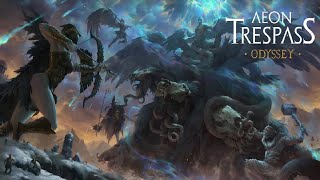
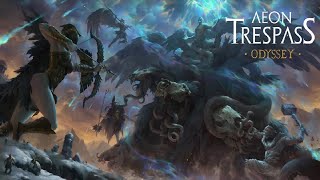
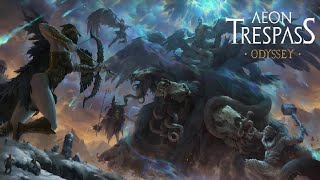
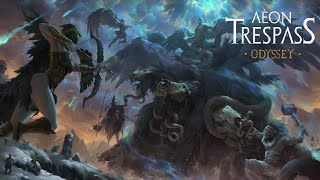

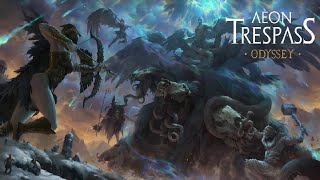
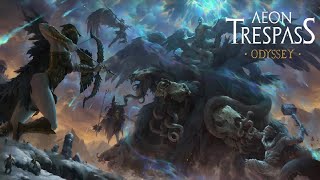

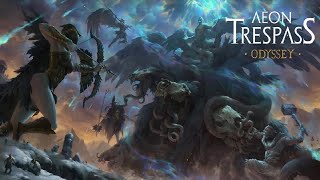
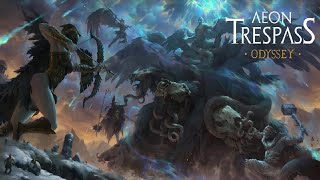
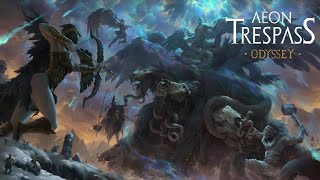
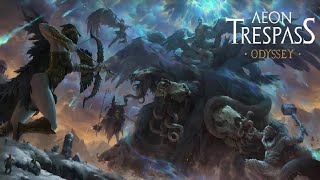
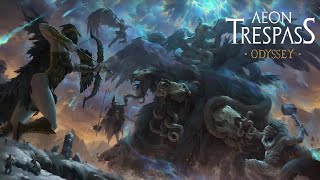
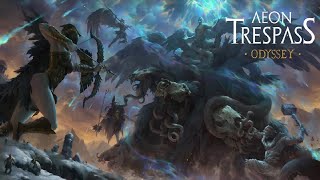


Aeon Trespass: Odyssey Deep Dive
What the Community Thinks About Aeon Trespass: Odyssey
Aeon Trespass: Odyssey has captivated the board game community as an ambitious, story-driven campaign that marries epic boss battles with genuine narrative weight. Reviewers praise it as a landmark achievement in cooperative storytelling, though reactions vary on its massive scope and rules complexity. Board Game Hangover calls the writing the best they have ever experienced in board games, while Shelfside, in a more measured take, admires the playtesting precision but notes the commitment it demands. The game divides along clear lines: those with time and table space to commit see it as exceptional, while those seeking casual play may find it overwhelming. What remains constant across reviews is recognition that extraordinary craft went into every layer of design.
Core Mechanics That Define Aeon Trespass: Odyssey
Boss Battles and the Body Part System
The combat system sits at Aeon Trespass's heart. Rather than rolling dice against a single hit-point total, players wound specific body parts by drawing cards during attacks. Each body part card carries effects that trigger on success, failure, or both, creating tense decisions about where to focus damage. The Primordials escalate as the fight progresses: with each successful wound, stronger AI cards shuffle into the boss decks while weaker cards shuffle out. This escalation mirrors player power growth through Rage earned from attacking. Players must balance aggressive wounding, which strengthens the boss quickly, against more measured approaches that let them build stronger Rage before committing critical attacks. Reviewers highlight how this creates constant tactical tension rather than the straightforward damage math of traditional systems.
Campaign Progression and Resource Management
Beyond combat, the Argo, your ship and home base, demands constant attention. A timeline tracks days as the campaign unfolds, and players gain technology upgrades at predetermined points. This creates a finely tuned equilibrium, since bosses appear on a regular cadence and always meet players at a consistent power curve. Crafting systems, crew management, and multiple resource types all risk forcing a cycle loss if depleted. Reviewers applaud how this prevents both runaway success and crushing failure, since trading and scaling mechanisms keep you aligned with the campaign's difficulty no matter what you acquire through exploration or combat. The design demonstrates extraordinary playtesting precision.
The Aeon Trespass: Odyssey Experience
Narrative as a Core System
The story stands apart. Reviewers describe the worldbuilding as among the best in modern board games, with some calling it the strongest narrative writing they have encountered in any tabletop experience. Players crew the Argo as Argonauts awakening in an ancient Greece shattered by Primordials after the death of the Olympian gods. Across three Cycles, players uncover interconnected truths about why the darkness spreads, what drives the various factions, and who the crew truly are. Story cards guide progression naturally without spoiling revelations, and the central metaphor, navigating a labyrinth as a stand-in for loss of purpose, runs consistently across mechanics, art, and text. Reviewers note that plot twists recontextualize earlier choices, creating moments of genuine emotional impact.
Solo to Four-Player Variability
The structure forces flexibility. Reviewers strongly prefer one- or two-player experiences, noting that four-player sessions create significant downtime as players wait for turns and watch others potentially fall in battle. Solo play feels tight and rewarding, and at two players, each controlling two Titans, the game flows naturally. The design never breaks, but the social experience shifts dramatically with player count. Reviewers suggest this is not a flaw but a design reality worth considering before committing to the campaign.
What Makes Aeon Trespass: Odyssey Stand Out
Escalating Complexity and Interacting Mechanics
Early cycles introduce straightforward voyaging and combat. By the second cycle, entirely new mechanics layer in. The game does not overwhelm by dumping everything upfront; each cycle evolves the ruleset. Multiple systems, including trauma cards, Kratos tokens, Argo abilities, and condition cards, interact in ways that create emergent decisions. Reviewers marvel that despite the heaviness, no mechanic feels disconnected or like padding. The crafting system lets players outfit Titans with unique tech trees, and gear variety offers genuine build diversity, which appeals to players who love complexity without artifice.
Randomness Channeled Into Narrative Texture
The game embraces randomness at every layer, including body part draws, trauma card effects, and environmental responses, but never lets it override player agency. Reviewers highlight how a maximum roll can trigger absurd, game-changing critical effects, including instant death and resurrection with god powers. Rather than feeling cheap, these moments feel thematically appropriate to a story about gods and heroes in catastrophic conflict. Even character deaths and sudden reversals serve the epic tone rather than frustrate it.
Potential Drawbacks
Massive Time and Table Requirements
The base game contains three full cycles, and reviewers report many hours for just the first cycle, so finishing all three represents a lifestyle commitment. The game requires significant table space for the Argo, the enormous and detailed boss miniatures, map cards, multiple decks, and Titan boards. Reviewers caution that for groups that play casually or struggle to gather consistently, this is a poor fit. One reviewer explicitly notes it is best treated as a lifestyle game that you commit to revisiting session after session.
Component Volume and Learning Curve
Shelfside noted that the game comes with an enormous quantity of cards and pieces, so organization becomes crucial. Reviewers also mention a moderate learning curve, since understanding Rage scaling, body part mechanics, and the interaction between player trauma and boss escalation takes time. The rulebook is dense, and first sessions demand patience to absorb the mechanical relationships that make the game elegant. Players seeking a quick pickup will find the on-ramp steep.
If You Enjoy Aeon Trespass: Odyssey
Consider Kingdom Death: Monster, which inspired the body part system and features similarly punishing boss encounters with narrative weight. Gloomhaven and Frosthaven offer long-form campaign structures, though with less narrative ambition. Oathsworn: Into the Deepwood provides comparable boss-battler intensity with cooperative crew mechanics, and The 7th Continent shares the exploration and choice-driven design, if without the combat focus. Players who relish base-building and tech-tree management layered onto adventure will find Aeon Trespass's systems richly rewarding.
What Reviewers Are Saying
"This is one of those games where it's super clear that a ton of playtesting went into so many different facets of the gameplay experience, creating a working environment where you have to consider a ton of different mechanics and how they interact with each other without any of those mechanics breaking anything."
— Shelfside
"The story is just freaking amazing. It's the best story writing I have ever played in board games. It makes me feel things. I've been thrilled, excited, scared, happy, and sad."
— Board Game Hangover
"You're going to be escalating as well, and the closer you are to death, the more damage you can deal. The trauma cards flip bigger and bigger ones as the game goes along, and a ton of these help you and give you bonus attacks and cool powers for the rest of the battle."
— One Stop Co-op Shop