










Bottom of the 9th Deep Dive
What the Community Thinks About Bottom of the 9th
Reviewers describe Bottom of the 9th as a small game with outsized tension. Rodney Smith of Watch It Played admits that reviewing Kickstarter titles is rare for the channel, but Smith made an exception for this Daryl Louder and Mike Mullins design from Dice Hate Me Games after trying it with Louder at BGG Con. The reason stands out: Smith is not a baseball fan, and the game still appealed to Smith. That theme-independent appeal recurs across the reviews.
The hosts of Foster the Meeple name it among the better sports themed board games, noting that the category has few strong entries. They argue that the game captures the feeling of baseball better than some other sports titles, with pitch guessing, base running, and lineup building all in play. Their budget collection video calls it a game they both genuinely enjoy and a strong deal at its price. Playthrough coverage on Watch It Played shows the same energy, with Rodney Smith and Pep McDonald reacting openly to big swings and narrow escapes.
Reviewers are enthusiastic overall. Their caveats center on the prototype status of the copies they played and on how much the dice and lineup choices decide a game.
Core Mechanics That Define Bottom of the 9th
Simultaneous Pitch Guessing
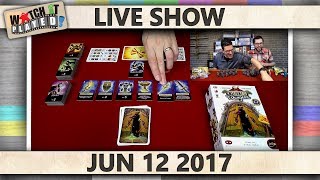
Each round opens with the Star Down. The pitcher secretly chooses pitch tokens, the batter places a guess, and both sides reveal at once. Correct guesses let the batter move tokens onto a player card and unlock abilities such as a plus or minus one to the swing or a reroll of the pitcher's control die. Pitches that match the pitcher's ace pitch wear down the fatigue track, so a pitcher who repeats the same look becomes easier to read. The walkthrough on Watch It Played shows this dynamic clearly, as the batters begin to read the pitcher and the hits start to pile up.
Real-Time Dice Race
When a swing becomes a hit, both players grab their dice and roll as quickly as they can. The batter wants a five or six to advance the runner, while the pitcher wants to be first to record the out. A tie goes to the runner, a natural six crushes the ball for an extra roll, and a pitcher's six can still snag a home run at the wall. Foster the Meeple describe this phase as the moment the game becomes uniquely real time, with runner speed changing which results count as safe. After the race, the pitcher counts the empty bases and spends that relief to ease fatigue, so a late hit still shapes the next at bat.
The Bottom of the 9th Experience
Tense Late-Inning Pressure
Watch It Played frames every swing as a possible game ender, and the playthrough captures how quickly the tension climbs. Rodney Smith repeatedly stresses that a single run or an extra base changes everything, and the rolls that decide each at bat often draw loud reactions from both players. Decisions that look safe on paper can turn on one reroll, which keeps the table on edge until the final out.
Silly, Chaotic Table Energy
Foster the Meeple describe the race as chaotic and silly, and that tone runs through the whole experience. The theme leans into humor, from a batter named after an Arkham Horror designer to a rookie who takes her time on the bases and seems to be showing off. The lightness keeps the mood fun even when the score is tied and the crowd is spilling onto the field.
What Makes Bottom of the 9th Stand Out
A Baseball Feel in a Small Box
The game delivers the sensation of a baseball contest without asking players to know the sport. Foster the Meeple highlight the portability of the small box, which makes it easy to carry to a convention or on a trip. Rodney Smith plans to bring it to Disney and play it with a friend who loves baseball, a sign of how readily the game travels from table to table.
Customizable Lineups and Player Powers
Each batter and pitcher carries a card with special abilities and traits, and the batting order is a genuine decision. The Watch It Played rematch shows how one carefully built lineup can change a game, with a rookie leading off and a batter set up to push runners home from second base. The description also points to league and solo play, which extends the game beyond a single session.
Potential Drawbacks
Prototype Components and Pending Changes
Reviewers stress that the copies shown on Watch It Played are print-and-play prototypes. Rodney Smith warns that the final version may include more players, different materials, adjustments to character abilities, and minor rules changes. A solo variant was also still in development during the playthrough, so readers should check the current Kickstarter materials before judging the finished product.
Luck Swings and Lineup Dependence
Because both the pitch and the run depend on dice, one roll can decide an inning. The rematch playthrough includes jokes about dice rolling onto the floor and one side collecting extra rerolls, which shows how quickly a dice race can tilt. Players who dislike randomness may find the real-time race frustrating, while players who prefer planning may feel that the lineup phase decides too much. Pitch guessing rewards reading the opponent, so luck and skill interact in ways that may not suit every table.
If You Enjoy Bottom of the 9th
Foster the Meeple compare their favorite small games in a discussion that places Baron Park and Penny Parks as the reference points for a tile-placement comparison. In that same conversation, they single out New York as phenomenal and say they like it more than those alternatives. Players who enjoy the quick, low-setup format of Bottom of the 9th and want another compact title that reviewers rate highly should start with New York.
What Reviewers Are Saying
"I'm not a baseball fan and I didn't feel like I needed to be in order to play and potentially enjoy the game and that appealed to me."
— Watch It Played
"it really does give you the feel of playing baseball like guessing the pitches"
— Foster the Meeple
"I think it's the uh the lineup I selected last time you just gave me a couple random batters"
— Watch It Played