



































Echoes of Time Deep Dive
What the Community Thinks About Echoes of Time
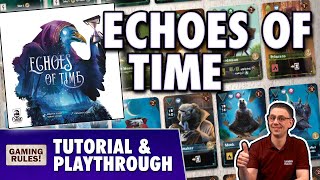
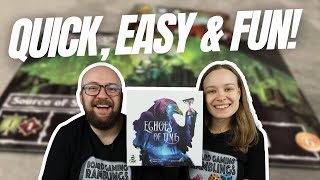
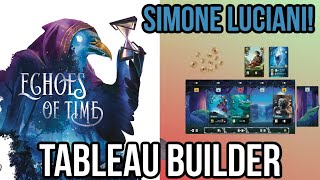
Echoes of Time has captured the attention of board game reviewers and enthusiasts since its 2025 release from Cranio Creations. Designed by the renowned Simone Luciani alongside Roberto Pelle, this tableau-building card game has earned praise for its elegant mechanics, stunning artwork, and compelling strategic depth. Critics and players consistently highlight the game's ability to deliver meaningful decisions within a streamlined experience, making it accessible yet intellectually engaging.
Core Mechanics That Define Echoes of Time
The Sliding Time Track and Tempo-Based Gameplay
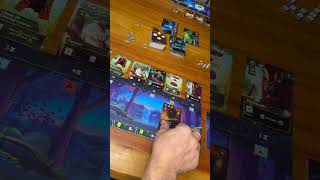
The heart of Echoes of Time lies in its innovative time track system. Each round, tiles beneath cards slide forward, creating a visual "time advancing" moment that determines which card abilities activate. This conveyor belt mechanism forces players to think two and three moves ahead, asking fundamental questions: when should this card be played? Where should it sit on the tableau? When does it need to activate? The timing of what you play and when you play it becomes the central strategic puzzle. Players must carefully position cards so they reach the active tile at precisely the right moment, unlocking powerful effects when the timing aligns.
Hand Management and Card Cost Decisions
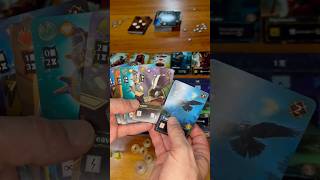
Every card in Echoes of Time costs time and requires payment in the currency that matters most: cards from your hand. Playing a valuable character might cost three or four cards you could have used elsewhere. This creates agonizing decisions throughout the game. Do you sacrifice the strong card you just drew to play your engine-building combo, or do you wait and hope to draw better fodder next turn? The constant tension between the cards you want to discard and the ones you need creates a satisfying weight to every choice.
The Echoes of Time Experience
Engine Building Through Fellowship Assembly
Players construct their fellowship by summoning characters and artifacts onto their personal tableau. These cards work together in intricate combinations, with flame effects that trigger when specific colored tiles are off the board. The satisfaction builds gradually as you realize a synergistic combo: this card gives you a coin when you summon creatures with the green faction, and that card over there rewards you with points for those exact coins. The moment you activate the chain and watch the points roll in feels like discovering a secret the game was hiding just for you.
The Struggle for Sources of Power
Beyond building your fellowship, players compete to conquer and fortify four different sources that grant ongoing abilities and victory points. Sources can be conquered by a single player, stolen by an opponent with greater strength, and eventually fortified to become permanent. This creates a dynamic mid-game where players jockey for position, deciding whether to invest characters now to secure a source or preserve their fellowship for other purposes. Fortifying costs you the abilities of the characters used to conquer, but it locks the source permanently. The trade-off between flexibility and security shapes every session.
What Makes Echoes of Time Stand Out
Elegant Streamlined Design Meeting Deep Strategy
Multiple reviewers praised the depth-to-complexity ratio. The rules are straightforward and the turn structure is simple: draw cards, play a card, or move cards forward. Yet beneath this elegant surface lies substantial strategic thinking. The game never gets in its own way. Mechanisms feel transparent and natural, yet the emergent puzzle from stacking them together creates surprising richness. Designer Simone Luciani has a reputation for this kind of streamlined elegance, and Echoes of Time exemplifies that craft perfectly.
Gorgeous Production and Fantasy Worldbuilding
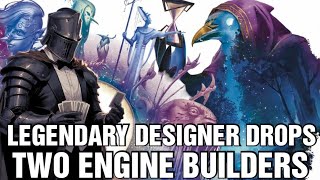
The art direction elevates every aspect of the game. Each faction governs a different realm: abyssal oceans, windswept hills, endless night skies, and veiled tunnels. The cards feature animals from each faction, creating a cohesive fantasy world that feels alive. The conveyor belt itself becomes a panoramic scene that subtly shifts as cards slide forward, giving the impression of time genuinely moving. Reviewers consistently commented that the visual design rewards you for playing the game, making even the rulebook learning experience enjoyable.
Potential Drawbacks
Limited Direct Player Interaction
Most gameplay happens independently on your own tableau. The primary interaction point involves competing for the shared sources, and even this is mild since multiple sources exist and players often pursue different ones. A few cards force opponents to discard, but they are rare and can be removed with a variant rule. If your gaming preferences lean toward aggressive kingmaking, take-that mechanics, or constant blocking, Echoes of Time will feel solitary. You will rarely directly interfere with opponents beyond occasionally stealing a source they have conquered.
Edge Cases in Two-Player Games
In specific rare scenarios, particularly two-player games using the two lowest-defense sources where both players race for characters and sources without contention, the game can end unexpectedly quickly. One reviewer reported a four-turn game that concluded in minutes. This occurs in an unusual alignment of setup and player strategy, but players should be aware this edge case exists and consider using three sources in two-player variants or ensuring at least one high-defense source enters play.
If You Enjoy Echoes of Time
Fans should explore similar titles in the tableau-building genre. Everdell delivers comparable engine-building satisfaction with a nature theme and worker placement layered on top. San Juan shares the multi-use card system where cards serve as both currency and buildings. Race for the Galaxy offers deeper card combos with a steeper learning curve. For players who appreciate Simone Luciani's design sensibility, Barrage provides a heavier experience with resource management and area control. The game occupies a beautiful middle ground: lighter than heavy euros but far meatier than filler.
What Reviewers Are Saying
"I love how streamlined this game is. Simple mechanism with lots of depth. The timing of what to play when is huge in this game. What do you play? Where do you play it? When do you need something in the fellowship to get the conquering or fortifying done?"
— TheGameBoyGeek
"This one is brand new to me. It might have been higher on my list if I had more opportunities to play it. This is a time based game where you are sliding tiles across the board and when you actually get to the edge of your board, whatever cards are on that are going to go into action in your fellowship."
— Tantrum House
"The art in this game is absolutely amazing. You could tell they spent a ton of time and energy having the artist make just this beautiful world here, and it really pays off."
— Our Family Plays Games