








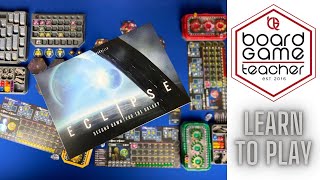










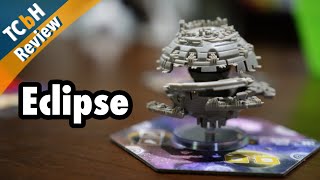





A game of Eclipse places you in control of a vast interstellar civilization, competing for success with its rivals. You explore new star systems, research technologies, and build spaceships with which to wage war. There are many potential paths to victory, so you need to plan your strategy according to the strengths and weaknesses of your species, while paying attention to the other civilizations' endeavors.
Eclipse: Second Dawn for the Galaxy is a revised and upgraded version of the Eclipse base game that debuted in 2011 that features:
New graphic design, while maintaining the acclaimed symbology of the first edition
A full line of Ship Pack 1 miniatures
New miniatures for ancients, GCDS, orbitals, and more
Custom plastic inlays
Custom combat dice
Fine-tuned gameplay
- Great space-themed 4X with accessible pacing
- Balanced for two players and good scoping
- Can feel long for new players
Mechanics (from transcript analysis)
Video topics + discussion points
Quotes (from this video)
- it's legitimately pretty cool
- it's a really cool game
- it's a starter worker placement game
- it's surprisingly thinky for a game that's one page of rules
- it's asymmetric and the factions play very differently
- the theme is absurd
- it's thinky because of planning ahead
- it's a flicking game, it's a dexterity game
- the artwork is beautiful
- it's purposely mean
- it's a great space game
- it's a big epic adventure
- every time you put a tile in and it affects everything else in your area
References (from this video)
- Excellent euro-like core married to a big-box sci-fi theme
- Inclusion of non-player enemies as VP sources reduces table politics and enables varied play
- Clear, well-designed player guide that helps new players score VP and understand strategy
- Asymmetric factions add replayability and balance, especially when combining symmetric humans with asymmetric aliens
- Relatively quick playtime for a space/4x-like game; scalable by player count
- Combat system is fast, tactical, and separated from the main action for smoother rounds
- A substantial amount of randomness (exploration tiles, textiles, and other draw components) can feel unfair in some games
- Some key tactiles (tech/building options) may be underrepresented in a given run, affecting balance
- Price point is high relative to perceived value, especially when compared to other space games at similar price
- Certain mechanics (combat) can still feel dry or grindy for players who dislike dice-heavy resolution
- Early rounds require careful planning to avoid being overextended if tiles do not cooperate
- Space warfare and empire development with a euro-style core
- Spacefaring civilizations expanding across a galaxy with exploration, combat, and diplomacy
- Structured, engine-building progression with emergent strategy and tactical combat
- Twilight Imperium
- Scythe
- Empires of the Void 2
Mechanics (from transcript analysis)
- build — Spend brown resources to build ship chips or construct buildings; prerequisites may apply
- Combat — Combat is segmented and largely occurs at the end of rounds; dice-driven but streamlined and increasingly faster as ships improve
- exploration — Draw and place exploration tiles to map sectors; can place with orientation; may encounter non-player enemies that must be defeated to conquer space
- influence — Move influence discs to claim tiles or adjust control; also serves as an action marker and a cost pressure mechanism
- Influence Points — Move influence discs to claim tiles or adjust control; also serves as an action marker and a cost pressure mechanism
- Movement — Move through a connected wormhole network to reach distant systems
- Research — Acquire tech tiles from a textile tray; cards provide ongoing improvements to civilization or ships
- territory_control — Territories are captured and resources accrued; population cubes are deployed to tiles for income and control
- upgrade — Upgrade ships by spending prereq tech and loot parts; improves combat ability and fleet power
- variable_markets — Randomized textiles/tech tiles on setup; some tiles are persistent while others are drawn each game, influencing strategy and balance
Video topics + discussion points
Quotes (from this video)
- "this monstrosity of a box"
- "not nearly as terrifying as it looks to learn and play"
- "the usual genre of big box space games and fuses it to a wonderful euro-like core"
- "Twilight Imperium makes a Scythe"
- "eclipse is sick because it gives you the option for both"
- "the price is an issue here"
- "eclipse is excellent at any play account"
- "one of the best games I’ve played this year"
- "we cannot wait to play again"
References (from this video)
- refined aesthetics and updated components
- engaging engine-building with space themes
- long playtime
- learning curve can be steep for new players
- technological advancement and strategy across a living galaxy
- Epic space opera with galactic empire building
- sci-fi epic with modular expansion
- Twilight Imperium
- Gaia Project
Mechanics (from transcript analysis)
- area exploration / expansion — explore and expand territories in space
- engine building — develop and optimize tech and production paths
- engine-building — develop and optimize tech and production paths
- set collection — gather alliances and resources to upgrade fleets
- set collection / diplomacy — gather alliances and resources to upgrade fleets
Video topics + discussion points
Quotes (from this video)
- I've been Chaz Marlar from Pair of Dice Paradise.
- This expansion funded in 20 minutes and raised 23 times the amount of its funding goal.
- the King's dilemma by a horrible guilt in this interactive narrative and legacy experience
- gaining a hundred and thirty-six spots to crown this month's biggest climber
References (from this video)
- great-looking minis and ships
- strong space combat and strategic depth
- economic euro with space combat and exploration
- Galactic civilizations with strategic space warfare and diplomacy
- space-operatic, broad-scale empire-building
Mechanics (from transcript analysis)
- Combat: Dice — combat with customizable ships and dice-like resolution
- Cube/resource tracking — quasi-euro mechanics with resource cubes driving growth
- Expansion and conquest in a euro framework — economic engine combined with tactical expansion
- space combat — combat with customizable ships and dice-like resolution
Video topics + discussion points
Quotes (from this video)
- Forbidden Stars is a great 4X game where you are the various factions from Warhammer 40k.
- The game is beautiful. You have these tiles that have the different planets and whatnot on there. You've got these minis that are these beautiful spaceships and tanks and forces.
- I love it. I think it's a fantastic game.
- this game more than anything, I would say is probably a take that game with the card playing stuff.
- it's a great civilization building game, but it would be a great civilization building game even if it wasn't Star Trek.
- it's absolutely 4X because again you are exploring.
- you are laying down warp lanes and you're actually laying down these like lanes that you do to travel to different planets and you're laying down the different planets and exploring them and then you're trying to take them over and build up your resources.
- Twilight Imperium is my number one.
- it's a grand epic space adventure. Again, you got a mountain of cards. You've got tons of plastic. I freaking love Twilight Imperium.
- this is a show. It's like a movie. It's like a book.
References (from this video)
- Unique ship building mechanic
- Euro game with combat
- Territory control
- Space theme
- Can be hard to afford many actions
- Space civilization with conflict
- Space exploration
- 4X space game
- Star Wars: Rebellion
Mechanics (from transcript analysis)
- action selection — Each action increases upkeep cost
- card crafting — Build and customize your own ships with technology
- Euro with Combat — Victory points from multiple sources including fighting
- hidden victory points — Victory points from multiple sources including fighting
- ship customization — Build and customize your own ships with technology
Video topics + discussion points
Quotes (from this video)
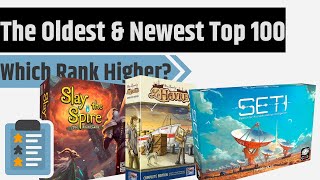
- Board Game Geeks top 100 sometimes feels like random people voting random stuff
- This is the way by two random people from Latvia
- Your mind feels like a fog after playing Spirit Island
- Frodo really doesn't want to destroy ring at the end he's like nah I'll go home
- It's a fine game it's super boring it just the same thing over and over
- Wrongfully not in the top 20 yet
References (from this video)
- rich thematic scope
- deep strategic decisions
- complex rules
- long setup and playtime
- space conquest and exploration
- space 4X civilization expansion
- space opera, long-term strategic development
Mechanics (from transcript analysis)
- 4X work-alike mechanics — explore, expand, exploit, and exterminate through modular systems
- deck-building — cards drive actions and events to influence play pace
Video topics + discussion points
Quotes (from this video)
- it's the most addictive deck builder that I ever played
- it's a two-player war game where you have a map you have your own troops
- the greatest thing in this game is the Tableau
- aliens can kill you
- you can't trust the others
- it's the Lord of the Rings In The Box, I love it
References (from this video)
- high degree of player agency and strategic latitude
- elegant core loop of action selection and resource management
- asymmetric faction design and tech progression
- modernized presentation in the new edition without losing identity
- not for everyone due to complexity and potential luck factor
- combat can be dice-influenced and some players experience 'risky' stands
- heavy setup and rules overhead compared to lighter games
- asymmetric power development and interstellar conflict, with a cold-war pacing between players
- A galactic civilization space opera where rival factions explore, expand, exploit, and exterminate across a customizable map.
- procedural, emergent from player choices and tech trees
Mechanics (from transcript analysis)
- action selection — Players choose actions from a rotating action selection mechanic, dictating timing and resource use.
- asymmetric factions — Different starting techs and persistent effects strongly influence strategy.
- explore, expand, exploit, exterminate — The core 4x framework where players explore space, establish colonies, harvest resources, and engage in combat.
- Resource management — Income from planets, science, and materials fuels expansion and upgrades.
- ship customization and combat — Each faction has ships with upgrade paths, dice-based combat with meaningful on-hit probability adjustments.
Video topics + discussion points
Quotes (from this video)
- the core gameplay is action selection and resource management
- an incredibly beautiful and unique complexity of the game
- Eclipse remains one of my absolute favorite games
References (from this video)
- Practical, actionable tips across exploration, combat, and tech
- Highlights the importance of momentum and first-round decisions
- Emphasizes tech ladder and long-term planning
- Addresses how to respond to threats (ancients, missiles) with sensible upgrades
- Stresses the payoff of early tech investments for late-game payoff
- Encourages pilots to adapt builds to immediate threats
- Assumes some familiarity with Eclipse mechanics
- Contains some repeated points and minor transcription oddities
- No explicit numerical rating or formal comparison to other games
- Some sections are very specific to particular tech choices that may vary by group
- Science fiction empire building and resource management
- Space empire expansion with multiple factions, exploration, and combat
- Abstract space opera with modular tech progression
Mechanics (from transcript analysis)
- Area Control — explore space to reveal and access new areas and resources; control choke points
- area_control/exploration — explore space to reveal and access new areas and resources; control choke points
- Combat: Dice — combat uses dice with momentum; initial momentum matters
- combat/dice-based_conflict — combat uses dice with momentum; initial momentum matters
- Deck building — customizable ships with equipment such as improved hulls; loadout affects survivability
- Resource management — manage scarce resources to fund actions and tech; early economy decisions matter
- resource_management — manage scarce resources to fund actions and tech; early economy decisions matter
- ship_building_and_outfitting — customizable ships with equipment such as improved hulls; loadout affects survivability
- Tech trees — tech trees provide long-term scoring and strategic options; ladder improves affordability over time
- tech_tree_development — tech trees provide long-term scoring and strategic options; ladder improves affordability over time
- turn_order_and_first_player_advantage — investing to be first in next round to grab new tech is important
Video topics + discussion points
Quotes (from this video)
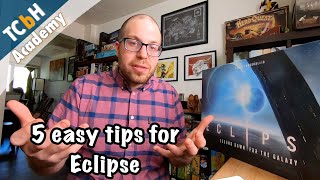
- five quick tips in order to help you play a better game of eclipse second dawn
- explore early and explore often
- exploration informs opportunities
- win your first combat
- invest in your tech trees
- improved hull is the most broadly applicable technology that can be researched
- resources are so scarce in eclipse that if you can make it easier to get late-game technologies by laying the groundwork early, then do it
- be the first player in the next round and have first dibs of new technology
References (from this video)
- Euro-esque hybrid game
- Lots of fighting
- Wife really likes it
- Wife gets her ass whooped in it
- Space races building and fighting
- Space exploration
- 4X space game
- Bitoku
Mechanics (from transcript analysis)
- 4X — Explore, expand, exploit, exterminate
- Combat: Dice — Lots of fighting with dice rolling
- Dice combat — Lots of fighting with dice rolling
- economy — Resource management and technology
- Resource management — Resource management and technology
Video topics + discussion points
Quotes (from this video)
- Does your wife ever tell you what to do all the time especially what board games to play
- My wife loves games where she beats your ass
- This was the game we took to the hospital when my son was born
- I'm afraid for the calendar its days are numbered
- What does a sprinter eat before a race? Nothing, they fast
References (from this video)
- Good Euro game mechanics
- Space theme with conflict
- Customizable ships
- Strong faction interaction
- Good dice mechanics
- Space exploration
- Faction conflict
- Science fiction
Mechanics (from transcript analysis)
Video topics + discussion points
Quotes (from this video)
- there's so many games you will never have time to play all of them
- thematically it's so well represents the theme it feels amazing
- it's one of the most unique designs I've ever played
- don't trust your friends
- every time you win or lose you always feel satisfied about with this game because this is what I build
- what else you want from board games got good times and good stories
- it's Simplicity is what amazes me
- one of my favorite games because of the experiences it gives you
- no two games were the same which I really loved about it
References (from this video)
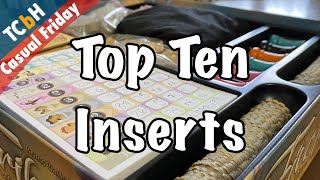
- color-coded tubs for players with dedicated spaces for resources
- the insert exemplifies high-functionality and visual elegance
- base price considerations due to premium packaging
- tech advancement, exploration, and fleet expansion
- outer space empire-building
- grand strategy
- Wasteland Express
- Dice Throne
Mechanics (from transcript analysis)
- 4X-style engine-building with modular upgrades — players upgrade ships and colonies using tiles and tech upgrades
- dedicated player trays and color-coded tubs — personal inserts separate shared components and map tiles for ease of play
- integrated personal inserts — color-coded tubs for player components and dedicated spaces for resources
- tiles and upgrades / resource management — players upgrade tech, manage resources and fleets, and compete for space
Video topics + discussion points
Quotes (from this video)
- everything to me has sort of built around and built off of wasteland express
- this tub which is color coded to the player pieces
- the insert has transformed what is the absolute worst aspect of this game and made it this beautiful premium
- sleeving is a hobbyist mentality
- open like a feast as soon as you open the box
- the central basin allows you to get everything successfully into the box and the lid closes
- box mapping removes all inserts
References (from this video)
- Epic scope delivered in a streamlined, playable package
- Engaging ship customization with varied roles
- Impressive presentation and storage solutions on the table
- Influence mechanics effectively constrain empire growth
- Tech tray becomes a focal point of attention and can slow play
- Long, confrontational sessions may deter shorter-game players
- Requires additional reference materials or home-made summaries for ease of play
- Exploration, conquest, diplomacy, technological advancement
- Interstellar empire-building in a space opera galaxy
- Epic strategic focus with streamlined mechanics
- Twilight Imperium 4
- Empires of the Void 2
Mechanics (from transcript analysis)
- Area Control — Controlling regions and tiles to gain points and resources from the board.
- Combat speed order — Ships attack in speed order during combat; outcomes depend on dice and tech.
- Combat: Dice — Combat uses dice of varying strength; tech and computers modify hit thresholds.
- Dice combat — Combat uses dice of varying strength; tech and computers modify hit thresholds.
- Exploration and warp gates — Explore to uncover tiles and align them via warp gates to connect regions.
- Influence Points — Place and manage influence tokens to control actions and tiles, with costs increasing over turns.
- Influence system — Place and manage influence tokens to control actions and tiles, with costs increasing over turns.
- Resource management — Three resources (production, research, money) that drive income and actions.
- Ship building / monoliths / orbital stations — Spend production to place ships and install structures that influence board control.
- Tech tree / upgrades — Research tech tiles and equip ships with special capabilities to shape strategy.
- Tech trees — Research tech tiles and equip ships with special capabilities to shape strategy.
- tile placement — Revealing and orienting new tiles as you explore, integrating with core warp gate connections.
- Turn structure and actions — Six core actions: Explore, Research, Equip, Build, Move, Influence; sequence drives economy.
Video topics + discussion points
Quotes (from this video)
- Eclipse promised to bring an epic 4x space game to the table that crammed in a huge amount of exploration, research and conflict into a manageable play time
- it presents a streamlined and manageable 4x experience without bloat
- upgrading your ships is a pure joy
- the best thing about the game is the influence system
- however my main complaints revolve around the tech tray
- it's still a long confrontational game not for folks who want a short game
References (from this video)
- large scope and ambition
- aliens feel generic
- not as interesting as it could be
- late-stage design choices can feel derivative
Mechanics (from transcript analysis)
- Area Control — players vie for space regions and influence.
- combat resolution — conflicts resolved through dice and planning.
Video topics + discussion points
Quotes (from this video)
- these are my top 10 favorite games of all time
- i want to play spirit island not spreadsheet island
- the expansions do the same right you know cheap components but have great design
- we have done it yes we have hit 5 000 subscribers
References (from this video)
- rich theme
- solid engineering
- great production
- long playtime
- complex rules
- 4X strategy
- space opera, galaxy exploration
- epic, tech-driven
- Gaia Project
- Twilight Imperium
Mechanics (from transcript analysis)
- 4X (eXplore, eXpand, eXploit, eXterminate) — Players explore, expand, exploit, and exterminate in a shifting galaxy.
- action selection — Players choose actions to perform during rounds.
- fleet building — Build fleets to explore and fight.
- Tech Tree — Develop your civilization with technologies.
Video topics + discussion points
Quotes (from this video)
- sanity
- you are hundred percent in this so far
- the components are great
- cloud nine
- it's an epic, but heavy
References (from this video)
- space-themed depth
- hybrid euro/ameritrash feel
- can be lengthy to play
- space strategy with tech trees and planetary development
- space exploration and empire-building
- space opera with competitive and sandbox elements
Mechanics (from transcript analysis)
- area influence / combat — control sectors and engage in space battles
- engine-building — developing a civilization through tech and production choices
Video topics + discussion points
Quotes (from this video)
- in this video we're each gonna pick our 10 best board games of all time in our honest humble opinions objective opinions so it's complete truth
- it's my favorite Story game
- the best work replacement deck building, like combination, I have played
- it's a really feel good game a massive game that feels light
- the most thematic game I think in my top 10 just surviving horror sci-fi
- Twilight Imperium is a historic epic
References (from this video)
- great production
- streamlined organization for a big game
- rich 4X experience
- complex and long
- galactic expansion
- space exploration and conquest
- grand strategy
Mechanics (from transcript analysis)
- 4X space strategy — exploration, expansion, exploitation, extermination
- combat and interactions — fleet combat and diplomacy
- tech upgrade and engine building — tech tree and engine building
Video topics + discussion points
Quotes (from this video)
- probably my favorite race game of all time
- the most gorgeous games to ever grace a table
- i adore castles of burgundy it's so good
- spirit island is my favorite game of all time