/pic6961706.jpg)
In this city that he has made into the pride of Kaan, the Ilkral has eyes and ears at every corner. He is a beloved ruler, but there is an ambition in him that will not rest until all of Kaan has bent the knee. I fear he will burn our homeland to ash and scatter it on the winds if it stands in his way.
Fateforge: Chronicles of Kaan is a mythical action-adventure cooperative campaign full of surprising twists with a sprawling story and intense fights played in episodes of under an hour.
The game offers an accessible, RPG-like board game experience for 1 to 4 players. Meaningful narrative choices and action-packed combat scenes are the heart of the game. You will take on the role of a hero and backflip, double-slash and charge your way to victory! The app-driven story lets you navigate your way through a city full of intrigue and your choices will ultimately determine the fate of the empire.
----
Fateforge: Chronicles of Kaan is an action adventure for newcomers and expert players alike. This app-driven game immerses you into a rich and involved fantasy RPG world without the need for a gamemaster, while also tackling the considerable learning curve of many dungeon crawlers.
The length of each game session is flexible. You can comfortably play through a combat and several story scenes in 1 hour, or spend the whole evening with your friends immersed in a thrilling adventure.
After completing a carefully curated tutorial to ease you into the campaign, you will meet increasingly challenging situations and surprising encounters where you’ll have to combine the full potential of your hero’s abilities to succeed. The story adapts to the outcome of each combat, leading you down different paths of its sprawling branches, offering a unique experience with each playthrough.
During your journey, the app guides you like a true gamemaster. It remembers and reacts to your choices, often when you least expect it to. It also handles all the admin, tells the story and sets the atmosphere, so you can focus on the gameplay and be the hero in your adventure.


- Skills are very good.
- Having an extra die has been very nice.
- Duck and Roll provides more versatility with arrows.
- Mobility options are interesting.
- Skills are expensive.
- Some abilities have limitations (e.g., once per round/scene).
- The current build might be hurting the player.
- Lack of strong offensive options against high-health enemies.
- Gadan
Mechanics (from transcript analysis)
- armor — Armor provides defensive capabilities, and players discuss how different armor items affect their stats and resource management.
- Block — Blocking is a defensive action that players can perform to avoid taking damage.
- Combat Dice — The players are discussing rolling different types of combat dice (melee, ranged, movement) to perform actions in combat.
- Item Management — Players are evaluating and purchasing items like potions, cloaks, and weapons during a rest scene to enhance their capabilities.
- Movement — The game involves moving between zones, and certain abilities or items can enhance or modify movement capabilities.
- Skill acquisition — Players are discussing acquiring new skills, which cost time and money, as a way to improve their character's abilities.
- Stamina — Stamina is a resource that can be spent to perform certain actions or gain bonuses, and its management is a key consideration.
Video topics + discussion points
Quotes (from this video)
- oh the skills are so good they're so good
- I really like the idea of Mobility
- we have two time left that we can go see what's for sale
- hopefully that will be enough we're all fully healed full stamina yep full got my belly full yeah we're ready for our final meal ball is empty I'm ready I've nutted so I think we are ready
References (from this video)
- Engaging combat mechanics with tactical options.
- Interesting enemy types with unique abilities like resurrection.
- Rewarding loot and progression system.
- Challenging puzzles and environmental interactions.
- Difficulty with persistent enemies that resurrect.
- Some players struggle with dice rolls and luck.
- Can be unforgiving if players take too much damage.
- Stopping the IL Craw's convoy by infiltrating a lighthouse and defeating a mage.
- The city of Air's Harbor, specifically Darlos's quarters, a graveyard, and a lighthouse.
Mechanics (from transcript analysis)
- Combat — Involves dice rolls, stances (like low guard and arrow stance), and strategic movement to avoid or engage enemies.
- Enemy Resurrection — Certain enemies, like skeletons and rats, have the ability to revive or replenish their armor, making them persistent threats.
- Environmental hazards — The game includes challenges like difficult terrain and traps within crypts and passageways.
- Looting and Rewards — Players can find items like daggers and potions, and earn victory points for completing objectives.
- Lore/Skill Tests — Players can attempt lore tests to understand the environment or solve puzzles.
Video topics + discussion points
Quotes (from this video)
- It's Jesus it's Jesus Christ from the top ropes
- This game kind of went went off rails
- The coming back part sucks
References (from this video)

- The game has interesting and well-designed abilities.
- The ability to stun enemies is a useful mechanic.
- The game offers good options for enhancing player characters.
- Acquiring new skills and equipment can significantly improve gameplay.
- Losing stamina can be detrimental.
- The inability to sell items is a drawback.
- Stances might force a choice between speed/agility and defense.
Mechanics (from transcript analysis)
- Dice Rolling — The use of dice rolls, including rerolls and the interpretation of results like misses, is a recurring topic.
- Health recovery — Players discuss options for healing and recovering health.
- item acquisition — Players consider purchasing equipment like armor and weapons, weighing their costs against other benefits.
- Skill acquisition — Players discuss acquiring new skills and their costs.
- stamina management — The impact of using stamina on available actions and character capabilities is discussed.
- stance switching — The ability to change character stances during turns to gain different advantages is mentioned.
- Trait points — Players have the option to gain and choose trait points to improve their characters.
Video topics + discussion points
Quotes (from this video)
- We're finishing out Act 2 of Fate Forge: Chronicles of Khan.
- The side quest, the bathhouse, the Temple of Silence which we're never going to go to because Hopefully not.
- We're good at this game.
- So, if I have the two stamina to live off of one, if we keep Nosk with me, she lets me recover stamina.
- And the keep distance allows me to Oh, I rolled two misses, immediately get that, and then I have ways to reroll it.
- Man, these are They did a really good job of coming up with abilities and stuff.
- So, that might that might be super solid.
References (from this video)
- The acquisition of new skills is exciting, with players discussing specific upgrades like 'rapid shot' and 'master archer'.
- The variety of shops and items, such as weapons from the blacksmith and clothing from Rita's Emporium, adds depth to character progression.
- The side quests provide additional objectives and content for the players.
- The cost of some upgrades, like 'maximum energy for five gold per hero', is considered high.
- Some items, like the 'runic bow', take up multiple equipment slots, limiting other choices.
- The overarching theme involves stopping an apocalyptic plot by destroying an artifact called the Atiq, involving a cult of death, an Ilkral, and ancient constructions.
- The transcript mentions locations like the Imperial Palace, Hay Loft district, the harbor, an abandoned building, and various districts within a city called Carticol.
Mechanics (from transcript analysis)
- Character progression — Players can acquire skills and items to enhance their characters' abilities, like 'rapid shot' or 'master archer'.
- Dice Rolling — The mechanics involve rolling dice for actions like combat, with specific symbols like 'arrow' and 'action symbols' influencing outcomes.
- item acquisition — Players can purchase weapons, armor, and clothing items from various shops like the blacksmith and the 'Genuine Rita's Emporium'.
- Rest Scene — The game has a 'rest scene' where players can recover and allocate resources.
- Side quests — The game features side quests such as 'free herring smoke', 'finding Rita', and 'the blacksmith'.
- Skill acquisition — Players can buy or upgrade skills, such as 'level one or level two skill from the deck' or 'upgrade a purchased level one skill to its level two'.
Video topics + discussion points
Quotes (from this video)
- We have to venture into the Gad again first and stop the cult and the Ill Crawl from pursuing either of their plans by destroying the Atique.
- The task ahead of you is more daunting than any of their challenges you have already faced.
- It's pretty much I I was surprised I guess spoiler for Hunter Hunter, but it's a million years old.
- True True adventurers are always welcome here.
References (from this video)
- Engaging narrative with meaningful choices
- Satisfying character progression and skill upgrades
- Interesting and challenging combat encounters
- Rich lore and world-building
- Rewarding exploration and discovery
- Appreciation for scenarios that are not purely combat-focused
- Investigating a strange creature, uncovering family secrets, dealing with consequences of past actions
- Marshes, Inn, City of Esafear, Guild Warrens, Palaces, Docks
Mechanics (from transcript analysis)
- Combat with enemy reactions and push effects — Combat involves detailed enemy turns, reactions, and the ability to push enemies, as seen with the rat swarms and the Butcher of the Marshes.
- Looting and item acquisition — Players acquire items and gold through combat, exploration, and completing objectives, such as the gold gained from defeating rats and the 'toxic blood vial'.
- Objective-based gameplay — Specific objectives are presented, such as researching the mutant creature and then exiting, requiring strategic planning to achieve.
- Rest scenes and resource recovery — Players utilize rest scenes to recover health and stamina, and unlock new locations like the 'Three Barrels restaurant'.
- Side quests and narrative branching — The game features side quests like 'The Nobleman's Birthright' which offer alternative paths and rewards, influencing the overall narrative.
- Skill tests (Insight, Perception, Persuasion) — Heroes must pass skill tests to progress in the narrative and overcome obstacles, such as the insight test to find the trail and the persuasion test with the beggar.
- Skill upgrades and character progression — Heroes can upgrade existing skills and acquire new ones through mechanics like the 'Court of Adventurers' and 'training areas', enhancing their abilities.
Video topics + discussion points
Quotes (from this video)
- NO! HE YELLS. Stay away from Mittens! Mittens is my friend and I won't let you touch him.
- The nobleman's birthright. As you're passing by a stall selling fine tapestries, you stop in your tracks.
- I am pleased you have come to see me. This is a matter we would do well to sort out.
- You have unlocked a new rest location. This will be added to your compliment in the next rest scene, the three barrels restaurant.
References (from this video)
- The players enjoyed the combat and found strategic options.
- The narrative progression and character interactions were engaging.
- The loot and reward system was motivating.
- The game offers interesting choices and challenges.
- Sticker application is frustrating and poorly executed.
- Some mechanics (like traits) are unclear regarding shared acquisition.
- Limited time tokens can restrict exploration of rest locations.
- K'ai
Mechanics (from transcript analysis)
- Combat stances — Players can adopt stances like 'low guard stance' or 'arrow stance' which provide benefits like blocking damage or allowing movement with attacks.
- Enemy Abilities — Enemies have unique abilities like resurrecting, blocking movement, or forcing ranged attacks to target specific enemies.
- Objective-based gameplay — Players must achieve specific goals, such as collecting moon shards, placing an exit, and leaving through it, to succeed in the scenario.
- portals — Portals allow for instant teleportation to connected tiles, altering movement and strategic positioning.
- Rest Scenes — Players can engage in rest scenes to heal, buy items, and potentially upgrade locations or gain new side quests.
- Side quests — Players can undertake optional quests to gain rewards, such as finding Rita, investigating a creature, or rescuing a lieutenant.
- sticker placement — The game involves placing stickers on the map and possibly character sheets, with some discussion of the difficulty in doing so.
- Story cards — Players can gain story cards that reveal lore and potentially influence the narrative.
- Trait system — Characters can gain traits like 'Agility' or 'Perception', which provide ongoing benefits.
- Trap tokens — Tokens represent traps that can be ignored by discarding a die, triggered by drawing a card, or removed by abilities, adding risk to zone movement.
- Vanishing tiles — Tiles marked with a time token disappear at the end of a round, removing anything on them and altering the playable area.
Video topics + discussion points
Quotes (from this video)
- I've had eyes on you since you stepped into the Caravan Sarai.
- The Magpie flinches in the wrong circles even asking that question can earn you a knife in the back.
- Consider what I have said our path shall cross again.
- This is why you like board games who just have stickers just need to grow up.
- It's like oh my God I've heard Rita's clothing here or free Herring smoke.
- The Ill Craw's purpose has eluded me and this complicates matters.
- The Magpie gives you a long hard look first Nexon and now the Gan you're just begging for the El C's attention aren't you?
References (from this video)
- Quick and smooth gameplay
- Convenient campaign storage
- Engaging story and characters
- Streamlined and strategic combat
- Flexible movement and dice mechanics
- Meaningful narrative choices
- App integration is excellent
- Accessible for new players
- Concise campaign length
- Appealing art and components
- Fluid and easy-to-learn rules
- Thematic combat encounters
- Good character customization options
- Efficient save system
- Variety in side quests and objectives
- Cooperative economy where money is shared
- Blatant racism towards forest people is a nitpick
- Desire for voice actors in the app
- Act 1 felt like a tutorial
- Story sections could be more involved with vague directions
- Movement through barriers could be more restricted
- Enemy AI can be passive when players are at a distance
- Round limit can feel arbitrary when combat is over
- Need for more challenge in acts two and three
- Hardcore mode restricts player communication
- Stickers on the map might be confusing if not managed properly
- Fantasy
- Madara
- Gloomhaven
- Oathsworn
- Primal
Mechanics (from transcript analysis)
- action selection — Players choose actions from a limited pool, often determined by dice rolls.
- app integration — A companion app is used to manage game elements, provide narrative, and offer sound effects.
- Campaign — The game features a multi-act campaign structure with story progression and character development.
- Character progression — Characters can be customized and improved through items and skills gained during the campaign.
- Character Swapping — Players can change their active character outside of combat.
- cooperative play — Players work together to achieve game objectives.
- Dice Rolling — Dice are used for actions and combat, with mechanics for mitigation and strategic use.
- difficulty levels — The game can be adjusted for difficulty, including a 'hardcore mode'.
- Health management — Players manage their character's health during combat.
- Modular Board — The game uses tiles to create the game board, which can be reconfigured.
- Narrative Choice — Player decisions influence the story and outcomes.
- Player order — The order in which players take their turns can be strategic.
- Set Collection — Collecting items and skills is part of character building.
- Shared Currency — Money or resources are pooled among players in cooperative play.
- Side quests — Optional objectives that can provide rewards and additional story elements.
- Skill checks — Characters perform checks based on their skills to overcome challenges.
- stamina management — Stamina is a resource used for mitigating dice rolls and performing special actions.
Video topics + discussion points
Quotes (from this video)
- This game I think is is actually is really really good.
- The non-audio narration is quite quite bit of a bummer.
- They took away the fiddliness of movement.
- So, while I do feel that it is a little easy I don't feel like it's too easy.
- Act one might have still been kind of like a tutorial.
- This one just hits a lot of those same beats for me in a significantly less time and less cumbersome way.
References (from this video)
- Defeating the dragon was cool.
- The combat, while challenging, is manageable and preferred by the host over longer rounds.
- The game provides a sense of accomplishment upon completion.
- The story elements and narrative progression were engaging.
- Difficulty in interpreting map clues and navigating.
- Frustration with sticker removal.
- The combat can be challenging due to limited rounds and enemy abilities.
- The fear mechanic can be punishing.
- Following clues and navigating a city to find a hidden entrance to the Gatan.
- Aru
Mechanics (from transcript analysis)
- app integration — The game uses an app to navigate players to locations based on clues from cards.
- Combat System — Combat involves rounds, limited actions, and specific enemy types with unique abilities like 'replenishing armor' or 'fear inducing'.
- Fear Deck — Encountering certain enemies or situations requires drawing from a 'fear deck' which imposes negative effects on heroes.
- Map Navigation — Players use a map with locations and clues to find their way through the game world.
- Resurrection — Some enemies have the ability to resurrect, making combat more challenging.
- stamina management — Players can spend stamina to perform extra actions or enhance their turns.
- Sticker Removal — The game involves removing stickers from the map to reveal new areas or information.
- Trap Triggering — Players can trigger environmental traps by stepping on specific points on the map.
Video topics + discussion points
Quotes (from this video)
- I complained about not using the map really now we're okay using the map.
- Darlos sends his regards.
- The floor of the sarcophagus descends into the ground carrying you deeper into the darkness.
References (from this video)
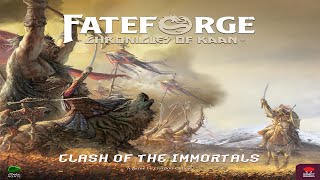
- Introduction of mounted enemies with new rules adds tactical depth.
- The 'fast' keyword creates interesting combat constraints.
- Armor piercing and burst enemy abilities offer satisfying damage output.
- The scenario's objective (defending the dragon) provides a clear goal.
- The reward system (gold, healing potion, dagger) offers tangible benefits.
- Some rules interpretations (like 'burst enemy') are initially unclear.
- The limitation of one melee attack per turn against 'fast' enemies can be challenging.
- The 'skirmish formation' maneuver requires careful planning and may not always be optimal.
- Questing, Dragon riding, Combat against Dragon Hunters
- Telika Mountains, Oakhart, Grasslands
Mechanics (from transcript analysis)
- Armor Piercing — A special attack ability that bypasses armor, hitting the enemy's health directly.
- Burst enemy — A special ability that deals damage to multiple enemies in a zone.
- Combat Dice — Players use combat dice with 'boots' to influence turn order and potentially control enemy reactions.
- Fast keyword — Applied to mounted enemies, limiting melee attacks to one per turn for all players combined.
- mind control — A token that can be placed on an enemy to deal damage.
- Mounted Enemies — Enemies that ride horses, combining a rider and a mount, with specific rules for targeting and movement. Attacks hit the rider first.
- movement rules — Mounted enemies target the closest hero, then keep moving to a different zone. If unable to, they move off the map.
- Skirmish formation — A maneuver allowing players to arrange their order in a specific way.
Video topics + discussion points
Quotes (from this video)
- Oh cool that's why I'm good at killing.
- It turns out to be exhilarating and terrifying in equal measures.
- This is another band of the IL CWS Dragon Hunters.
- Mounted enemies may move towards the hero, attack, and then keep moving.
- All of them are going to come towards us.
- It's them that they can only get hit once right?
- I don't think any of them are going to hit us if we we we can do this move.
- I was going to go through and suggest maybe we do it next try to do it next turn or go ahead and set it up to where they can't move.
- Burst enemy which cost a stamina deal damage equal to that Minion's toughness to enemies in its Zone.
- Can you make people blow up?
- All these enemies are defeated.
- I don't know what I don't know I feel like I'm definitely not playing it right.
References (from this video)
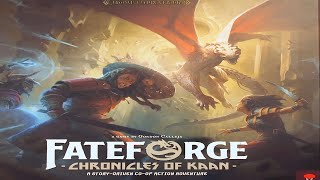
- The corruption cards, while negative, are not overly punishing.
- The boss fight mechanics, such as weak spots and minion summoning, are engaging.
- The narrative elements and story progression are interesting.
- The visual design of the boss is impressive.
- The game offers a satisfying conclusion to the campaign.
- The rule for the 'Atique' zone placement and face spider spawning was clarified.
- The introduction of the corruption card mechanic was seen as a positive addition.
- The game has a 'collapsing roof' mechanic that can be detrimental.
- Players sometimes forget enemy abilities or mechanics, leading to mistakes.
- The app's random movement determination can be unclear.
- The need to manually track certain mechanics can be tedious.
- Some mechanics, like the 'orb pulse' pushing players out, can be frustrating.
- The healing mechanic for enemies makes it difficult to finish them off.
- The game's difficulty can be high, leading to player frustration.
- The need to reset the round due to a mistake is annoying.
- Stopping an apocalyptic ritual to summon a demon prince, and preventing the 'Ill Crawl' from ascending to godhood.
- Esfir, an ancient city with districts like the Eclipse District, and the Primeval Forest of Unes
- The game progresses through narrative text read aloud during the playthrough, guiding the players through the story and events.
Mechanics (from transcript analysis)
- Armor and Health — Enemies have armor and health that players must overcome through combat.
- boss battle — The game features a distinct boss encounter with unique mechanics like weak spots, summoning minions, and special attacks.
- card swapping — During combat, players may be required to pass combat dice or skill cards to other players, adding a layer of strategic interdependence.
- corruption cards — These cards are acquired for taking extra turns and have adverse effects on the player, such as fatigue damage or limiting active skill cards.
- Dice allocation — Players assign dice results to various actions, including attacking enemies and targeting weak spots.
- Fear Cards — Players may draw 'fear cards' as a result of failed tests.
- minion summoning — The boss can summon 'face spider tokens' which need to be managed by the players.
- Push and Pull Mechanics — Certain actions can cause players to be pushed or pulled between zones.
- Resource Management — Players manage resources like health, stamina, and dice to overcome challenges.
- rounds and turns — The game progresses in rounds, with specific turn orders and enemy activation phases.
- stamina management — Players use stamina for various actions, such as movement or rerolling dice.
- Weak Spot Targeting — A key mechanic in the boss fight involves destroying a weak spot to weaken the boss and prevent additional threats.
Video topics + discussion points
Quotes (from this video)
- you hear the sound you hear the sounds of battle and the cries of the wounded and dying
- You have destroyed the atique and foil the emperor's plan to reach the Fate Forge and Ascend to godhood
- The schemes of Kings and the wars of Empire do not concern the likes of us
- The Ill Craw's immortality his quest for godhood and his obsession with the secret knowledge of the M mosis of Zim in
- The Long rivalry between Cardal and the Old Khan was now outright War
- you have forged your own fate and left your mark in the annals of the history of Khan
- It's like his scheming was to do with our forest so it's like apparently that that mattered
- The mood in the Empire darkened what before had seemed an unstoppable March towards every greater glory prosperity and peace became troubled by a sense of vulnerability and a paranoid fear of enemies at the gates
References (from this video)

- strong visual aesthetic and lore-rich presentation
- fast-paced action with storytelling elements
- high production values described as fantastic
- no explicit cons noted in transcript
- mythology and adventure in a Celtic-inspired saga
- fantasy world with mythic and scholarly storytelling elements
- story-first with card-driven actions and card interactions
Mechanics (from transcript analysis)
- open drafting with storytelling cards — players draft cards that touch their worker and unlock combos
- placement and activation — placing workers to touch cards and trigger abilities in a cascading fashion
Video topics + discussion points
Quotes (from this video)
- the shiniest Euro you will ever see
- relaxing but competitive in a way
- it's simply fantastic with this Rondell mechanism
- this takes the essence of foundation of Rome and brought in Foundation of metropolis
- my God were we both impressed with Ironwood
- this is our number one to buy at Essen 2024
References (from this video)
- Really liked the first impressions
- Simple yet thinky combat
- Cleverly done to feel simple without losing interestingness
- Bite-sized combat scenes
- Only played a quarter of the game
Mechanics (from transcript analysis)
- Campaign play — The game has a campaign structure with acts and scenarios.
- Combat System — Features a very simple but thinky combat system.
Video topics + discussion points
Quotes (from this video)
- Time is weird because it goes very quickly and also slowly at the same time.
- It was so fun. And it was so frustrating when you try you have a plan and you don't do the thing that you're trying to do, but it was very very fun.
- I'm basically decided that I was going to surprise you with relearning the rules and getting that back to the table so that you didn't have fun with it is kind of sad.
- My biggest surprise for real is Stevens. Uh because I like uh Roll & Costa, the designers. We played games from them before a lot of them that we really liked, but Stevens was like something else and I just keep getting uh what you call it? Like uh impressed by their skills of making games.
- I would rather play Via Nebula if I'm playing like a pick up and deliver like gateway game.
- It's a distilled campaign experience. Every like the the combat has been like 45 minutes. There's only like these called combat scenes because you're going to have only like three or four rounds. It's not like oh this combat might last three hours. It's made to be more bite sized.
- It's just like it is plain fun. It is one of those games where I just have fun while I play it. It gives me that feeling of I am having fun.
References (from this video)

Mechanics (from transcript analysis)
Video topics + discussion points
Quotes (from this video)
- It was fantastic. It was just there was so much stuff going on that was really enjoyable.
- Well, I think there's that one Warhammer guy that syn There's some synthesizer show synthesizer synthesizer shows that I watch that have been around for a long time.
- We must slay them.
- Thanks for nothing, Danny Nunan.
- It's like, Oh, honey, I'm so sorry.
- This is the longest running weekly live stream thing held on YouTube 10 years or so in a row.
- Americans don't even like America.
- It's not like we're keeping track here yeah, who's keeping score
- Oh, really? Runner up code names.
- You don't make a podcast.
- I mean, the definition I don't even know what you're saying.
- You're just making up words.
- So defeist.
- Yeah, that gumballs.com. They suck.
- This is not a good website.
- The two eyes are swords.
- It's like, how does anybody know this guy exists?
- I'm always impressed when things like that exist.
- Oh, yeah. I guess you can. Yes, you can. But that's not the same because podcast is a different
- It's like, oh, you know, use use use non like you have didn't make this game colorblind uh friendly.
- Be excellent to one another as Bill and Ted would say.
- The fact that the dice rolls were so unlucky against me.
- I love the game, but it's when those dice rolls don't go your way.
- It's like, Oh, you know, should he fight the wolves or should he run away?
- This is the most evil, most powerful terrorist organization in the world that never wins.
- It's like, 'No, nobody's died. This is realistic.'
References (from this video)
- Great combat system
- Good story
- Punchy and fits busy lifestyles
- Diverse characters
- Tactically engaging and quick combat
- Good branching and interesting choices
- Interesting fail-forward mechanics
- Dice can be punishing
- Requires finding many tiles for scenarios
- Lots of reading for the story
- App narrator is not ideal
- JRPG, Combat, Story
- Fantasy
- Character-driven
- Kingdoms 4
- Elder Scrolls
Mechanics (from transcript analysis)
- app integration — Utilizes an app for narration, which the speaker found subpar.
- Battle Mode — Includes a battle mode for quick, level-up focused fights.
- Campaign — A campaign game with branching choices and narrative progression.
- Character Diversity — Characters are super diverse.
- Combat System — Features a quick and tactically engaging combat system.
- Dice combat — Combat relies on dice rolls, which can be punishing.
- Fail forward — Introduces interesting fail-forward mechanics where terrible things can happen but the campaign continues.
Video topics + discussion points
Quotes (from this video)
- This is what Seventh Continent wanted to be.
- Distant Skies is a cleaner, more streamlined system.
- Primeial Apparel is like the the, you know, a third as long, like little it it it's done before it can get broken version.
- The game kicks me in the nard sometimes.
- Aon Trespass Odyssey to me does everything better.
- So damn cool.
- The rule book is awful.
References (from this video)

- Easy to set up
- Wooden discs for enemies are clear
- Good story
- Varied and quick scenarios
- Interesting tactical positioning
- Quick gameplay (20-30 minutes per scenario)
- Characters play differently
- Expansion not yet played
- Dungeon crawler
Mechanics (from transcript analysis)
- app-assisted — Uses an app to handle behind-the-scenes math.
- Campaign play — Played 'about halfway through the campaign'.
- Dice Rolling — Gameplay involves 'rolling dice'.
- Dungeon Crawler — Described as 'another dungeon crawl'.
- Resource Management — Mentions 'some of the resource management'.
- Variable player powers — The characters play very differently.
Video topics + discussion points
Quotes (from this video)
- I'm going to throw it out. I'm So all day I'm just gonna say Don and I'll let you guys decide who I'm actually talking to because I have not figured out a good way to do it without like long names here.
- The little epilogue, we were laughing reading it like actually out loud laughing, not like, 'Oh, that's funny.' Like legitimately funny as you go through.
- And this one uses an app that I my understanding is it does like all kind of the behind the scenes math and stuff for you.
- It's like if you know Alan Moon did Oathsworn you'd be like what?
- This game is crazy pants. It is hard and I love it.
- It's deadly if you focus on all of them.
- This is the kind of game that you could play many
- I adore that that's on there, especially in a two-player game.
- If you want a free lunch, go eat your house
- And that's a testament of a really really good game, especially one as heavy as Sweetlands.
- Stuper Monday is one of those games that similar to Sweetlands. It's not as deep, it's not as heavy as Sweetlands, but when it comes to timing, efficiency of actions, and uh sort of using cards to do actions, it's it's right there in that sweet spot.
- This is a train game but with magic. And the magic matters because basically it's like ah gosh I can't connect my train to this spot. Magic. And now I just teleport over it and I keep moving the stuff.
References (from this video)
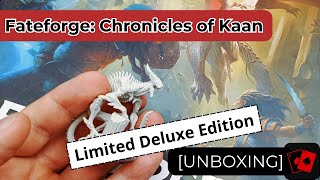
- Storydriven co-op action adventure
- App integration is present but not overly dominant
- Nice art style, watercolor feel
- Map looks and feels like parchment
- Good component quality, especially tokens and miniatures
- Drawer-like storage system is functional
- Quick setup and easy storage
- 60-minute sessions
- Easy to learn
- Detailed miniatures
- Limited deluxe edition adds value
- Some unsleeved cards were present in the used copy
- Boss miniatures do not fit in the base box for storage
- The map tiles might be a pain to put together for setup
- storydriven
- Cthulhu Death May Die
- Dungeons of Doria
- Star Wars Imperial Assault
- Soul and Sorcery
- Tales from the Red Dragon Inn
Mechanics (from transcript analysis)
- Action Adventure — The game is a 'co-op action adventure'.
- app integration — The game is 'app driven'. The host notes that story bits are on cards, which is preferred over app use.
- Campaign play — The host likes 'campaign games'.
- Character progression — The host likes games where you 'have a character with like specific abilities and you can like level up, skill up, uh also like get like new equipment'.
- Combat System — The game has an 'innovative fast-paced combat system'.
- cooperative play — The game is described as 'storydriven co-op'. The host questions why players have individual boards if it's cooperative.
- Dice Rolling — Dice are present for characters and general gameplay.
- Legacy/Unlockable Content — The presence of locked boxes and unlockable cards suggests a legacy or campaign element.
- map exploration — The game features 'immersive map exploration'.
- miniatures — The game includes hero and boss miniatures, which the host finds detailed and well-made.
- scenario based — The host likes 'scenario based games'.
- Set Collection — The game involves collecting cards and tokens.
- Story Driven — The game is 'storydriven' and the host likes 'story driven games' and 'everything with the story'.
Video topics + discussion points
Quotes (from this video)
- Immersive map exploration, storydriven co-op, action adventure, you know, innovative fast-paced combat system.
- Sounds good. Sounds like every everything I am looking for. Easy to learn and set up.
- The art style is very cool. I like this like kind of like a watercolor style a little bit.
- This is a nice map. Very cool.
- It's like on camera it doesn't come across that great. It's uh it's like almost like looks like parchment, right? Very cool. And it also feels very nice.
- Wow. Then I got a really good copy here. Amazing.
- So, here are more cards. You learned your rescue failed. Okay, this is like all kind of story stuff. That's interesting because you do have an app, right? It's kind of interesting that you actually do two have say story bits on the cards which I like. The less the app is used the better, right?
- These are like really nice wooden discs, right? Dided. Very, very cool.
- These look very nice. Like the art style is amazing. Like really amazing. I mean it. This is really great. I really like this art style.
- See, everything fits in here really well. It's kind of cool that I got like these card holders as well.
- These are, by the way, these are also primed by the owner, right? The owner of the game primed these before. That's why they look a little bit nicer than they usually look.
- These miniatures. They look amazing. Wow. Especially since they're primed, it looks a lot nicer.
- These are some of the nicest looking miniatures I've seen in a while, I think.
References (from this video)
- Underrated and doesn't get enough love
- Beautiful components (boxes, miniatures, thick cardboard)
- Map is beautiful and immersive
- Rulebook is a masterpiece and easy to understand
- App integrates well and doesn't dominate the game
- Wonderful story and campaign structure
- Unique system for managing health and energy
- Easy to learn and get engaged with
- High quality components
- dungeon crawler
- app-driven story
- Posthuman
- Evacuation Earth
- Days of Iron Budapest
- Clash of Immortals
- Kin of the Wild
Mechanics (from transcript analysis)
- App-driven gameplay — The game is run by an app that assists with gameplay, story, and tasks like enemy activation and combat.
- Campaign play — The game is structured as a campaign.
- Character saving — Save boxes are provided to save characters as players progress through the game.
- Dice Rolling — Dice are used for actions, including movement, criticals, and attacks. They are rolled in a preparation phase.
- initiative order — There is a clear initiative order displayed that shows who goes next, including enemy turns.
- Modular Board — The game uses tiles to set up the play area depending on the mission.
- Phased turns — Gameplay is broken down into phases: preparation, action, hero turns, enemy reactions, enemy turns, and cleanup.
- Resource Management — Energy and health are important resources that are not fully replenished each turn, requiring smart management.
- Skill attribution — Players can attribute different skills, including level one and level two skills, which can provide benefits like extra damage or defense.
- Solo Play — The game can be played solo, with the app tailoring the experience.
- Tableau Building — Each player character has their own tableau.
Video topics + discussion points
Quotes (from this video)
- And I think it's a really, really underrated game and doesn't get as much love as it should.
- And it is Fate Forge: Chronicles of Kan.
- They're save boxes, so you're going to have certain cards like that that you're going to be able to unleash and and do and you're going to get a ton of these these these boxes, which is really, really, really nice.
- And and that's a real home run for me.
- This is spelled out so easily.
- This is an app driven driven game but the app does not take over the game, okay?
- between the app and and this wonderful rulebook, this is a masterpiece.
- And I can't say it enough.
- And the best way you're going to see that is when we do a playthrough of it.
- if you do not have Fate Forge Chronicle of Khan, I'm telling you right now run out and get it.
- And the quality of the components are ridiculous.
- this is one that's been around for a little bit and I think gets gets swept under the radar a bit.
- Go check it out. You will not be disappointed.
References (from this video)
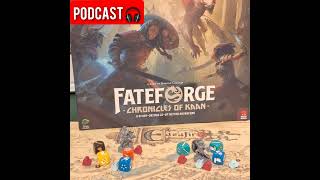
- exceptional production quality and components
- clever map tiles and multi-purpose tokens that keep setup tidy
- tight, puzzle-like combat flow with satisfying sequencing
- app-driven storytelling that reduces admin and pacing issues
- episodic sessions fit neatly into an hour-long play window
- bright, readable art and color-coding for quick on-table read of enemies
- high replay potential through branching choices and multiple hero classes
- reliance on the app introduces risk if future support wanes
- narration is text-based rather than voice acted, which may affect immersion for some
- setup/teardown is non-trivial despite the design aiming for efficiency
- some players may dislike the moderate complexity and need for strategic planning
- mythical action-adventure, cooperative narrative driven dungeon crawler
- City of Esia, a vibrant, Eastern-flavored metropolis where intrigue and danger intersect
- episodic choose-your-own-story with branching paths and in-game story cards
- Vengeance
- Gloomhaven
Mechanics (from transcript analysis)
- app-driven narrative — the app manages narrative progression, tracks encounters, and adjusts difficulty to balance challenge and pacing
- Dice Drafting — players assemble and modify a small pool of dice, choosing how to use faces to achieve moves, attacks, and skills
- dice_pool construction and manipulation — players assemble and modify a small pool of dice, choosing how to use faces to achieve moves, attacks, and skills
- enemy tokens with predetermined AI — double-sided, color-coded enemy tokens that are read for their activation order and effects; no hidden randomness beyond card draws in some cases
- rest and downtime economy — periods between encounters allow healing, upgrading, and equipment buys using time/energy tokens
- Simultaneous Actions — each round you select a stance that changes available actions and can unlock new combos
- stances and actions sequencing — each round you select a stance that changes available actions and can unlock new combos
- story cards and unlocks — major story beats trigger story cards that advance plot and unlock new mechanics, items, or encounters
- tile-based city exploration — a colorful, non-grid map using modular tiles to render a living city and location discoveries
- Tile/Map Shifting — a colorful, non-grid map using modular tiles to render a living city and location discoveries
Video topics + discussion points
Quotes (from this video)
- Fate Forge is a fantastic dungeon crawling co-op puzzle.
- The app-driven story lets you navigate your way through a City full of intrigue.
- It's episodic, one-hour-per-session storytelling done really well.
- The engine is tight and you can predict enemy behavior, which helps planning.
- Pack-up is effortless; everything fits back in the box neatly and quickly.
References (from this video)
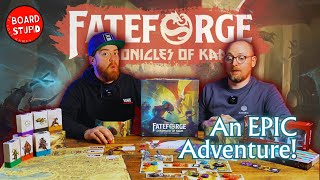
- Innovative action-oriented dungeon crawl with deep RPG elements
- High production value: art, components, and deluxe tokens
- App integration enhances narrative flow and combat setup
- Strong replayability via branching storylines and upcoming expansions
- Narrative heavy for players who dislike story-driven games
- Setup can be fiddly and map-focused
- Difficulty can be challenging, may require optional easy mode for accessibility
- Adventure, teamwork, branching fate through player choices
- Fantasy RPG world with two intertwined modes: narrative/story-driven and tactical dungeon crawl.
- Branching, choice-driven story complemented by app-driven progression
- Zombie Side
- Mighty Boards Vengeance Series
Mechanics (from transcript analysis)
- App Assisted — The app guides story progression, encounter setup, loot and chest contents, and ongoing state tracking
- App-driven storytelling and setup — The app guides story progression, encounter setup, loot and chest contents, and ongoing state tracking
- Dice allocation and conversion — Custom dice allocated per character class; dice results can be transformed to fuel different actions or combos
- Resource and corruption management — Life/energy counters and corruption cards influence rest, turns, and penalties across scenarios
- Resource Management — Life/energy counters and corruption cards influence rest, turns, and penalties across scenarios
- Two-phase combat — Preparation phase to roll dice behind a screen, followed by action phase with potential enemy reactions
Video topics + discussion points
Quotes (from this video)
- the app is very well done
- it's an app but it's very well done
- the map is very detailed
- the production is very lovingly done
References (from this video)
- App-guided campaign reduces learning curve and automates DM duties
- Solo or group play supported with shared progression
- Branching, evolving story with multiple endings
- Accessible yet deep combat and narrative with add-ons
- Expansions add new character types and campaign variability
- Over 30 hours of base content with additional add-ons planned
- Dice-driven combat can feel luck-dependent
- Rule complexity grows with campaigns and expansions
- Reliance on companion app may deter players who prefer pure tabletop
- cinematic action sequences with branching storytelling and narrative-driven campaign
- Mythical city of Safir
- branching, app-guided, consequences-based progression
Mechanics (from transcript analysis)
- Campaign and campaign pacing — Fixed number of rounds per combat; timing creates tension and penalties or opportunities based on success/failure
- Card Crafting — Skill cards unlock abilities, weapons, armor and items; players mix and match to customize builds
- Character cards and equipment — Skill cards unlock abilities, weapons, armor and items; players mix and match to customize builds
- Combat: Dice — Each hero has a distinct color dice set; dice rolled to resolve actions with potential for misses and luck mitigation
- dice pool combat — Each hero has a distinct color dice set; dice rolled to resolve actions with potential for misses and luck mitigation
- DM automation — App handles DM duties; players act collectively to drive plot and combat
- Exhaustion and resource tracking — Health and energy tokens track damage and fatigue; exhaustion can lead to knockouts and revival by teammates
- Initiative and order management — Initiative tile helps set player order and planning both pre and during combat
- Narrative app integration — Companion app guides setup, tracks progress, stores choices, and unlocks branching story paths
- Three-phase combat — Preparation phase with simultaneous dice rolls, followed by action phase and enemy reactions
Video topics + discussion points
Quotes (from this video)
- This game has quite a few components and an interesting blend of combat and storytelling
- the app guides the story provides instructions for setting up each combat and story encounter and tracks each session's progress it also remembers past choices and reintroduces them later in the story
- fate Forge doesn't require one of the players to act as a dungeon master instead all of the players can fully participate in the adventure with the app taking over the game Master's duties
- overall fate forge's rule set is intended to be as accessible as possible and easy to learn while still offering a deep immersive experience
- there's even different endings possible depending on how events have unfolded throughout a specific storyline
References (from this video)

- Quick playing time under 60 minutes
- Decent miniatures
- Interesting story-driven campaign
- Good boss encounters
- Similar to popular designer's other games
- Not unique twist on action adventure formula
- Co-op action adventure campaign
- Fantasy adventure world
- Act-driven narrative with story aspects
- Vengeance
- Post-human Saga
- Excavation Earth
- Oathsworn
Mechanics (from transcript analysis)
- Combat-focused — Kick door down and beat up enemies
- dice selection — Shared pool of dice for player actions
- Initiative system — Enemy reactions happen at various times with players
Video topics + discussion points
Quotes (from this video)
- Kickstarter is here to stay whether you like it or not
- I give my honest opinions regardless of whether someone a hero or not
- Just because the creator of pandemics on it doesn't make it an instant hit
- This is the best fantasy based story driven campaign game I've ever played
- The value you get is obnoxious... it's obscene
- Put the how to play Early in the campaign all right not miles at the end
- Board games just aren't worth this kind of money anymore
- I'm not spending 330 on this thing
- Money is tighter the world economy has gone to pot
- Quick turns and simple actions is such a marketing tool line that I can't place any reliance on
References (from this video)
Mechanics (from transcript analysis)
Video topics + discussion points
Quotes (from this video)
- the app will tell you which enemies to lay out as well as all the items that you'll see there and it'll show you exactly how to lay out the entire combat scene
- decisions in this game are going to be made with limited communication
- i have this hidden token
- we are all set up here for our two-player game of fateboard chronicles
- the scene that we are going to be showcasing is technically part of the kind of intro scenario so hopefully this won't ruin anything for you all
- we've made decisions that got us here today
- it's all driven via the app
- the app will tell you exactly how to lay out the entire combat scene
- you cannot tell me what to do