/pic7465204.jpg)





























Forever Home Deep Dive
What the Community Thinks About Forever Home
Forever Home arrives as a refreshing and charming entry to the modern gateway landscape. Community reviewers consistently praise the game's elegant simplicity paired with surprising depth, describing it as a solid example of puzzle-driven, accessible design. The theme—placing shelter dogs into forever homes—resonates genuinely with players. Several reviewers highlight that the game's relatable narrative doesn't feel bolted-on; instead, it harmonizes with the mechanics in a way that creates emotional investment. This is a game designed by Lottie and Jack Hazel and published by Birdwood Games, a studio already known for dog-themed titles like Dog Park.
Core Mechanics That Define Forever Home
Tile Placement and Pattern Building
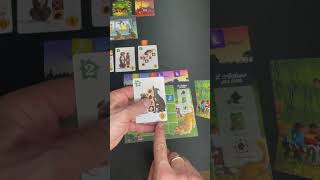
The heart of Forever Home is pattern building through tile placement. Players draft dog tokens and position them on their personal shelter grid. The core mechanic requires completing specific arrangements shown on training cards—these patterns can be rotated and flipped, granting players flexibility in interpretation. Reviewers emphasize that this pattern system creates a true efficiency puzzle: you're simultaneously juggling multiple potential cards, deciding which patterns to complete first, and managing the order of resolution since completing one card may require removing pieces that affect future patterns. The puzzle feels satisfying without crossing into complexity, making it approachable for newer players while offering tactical depth for experienced ones.
Drafting and Strategic Home Placement
Each turn, players take two actions from a limited menu: draft a dog token, take a training card, or move an existing dog. The simplicity of this action economy belies the strategic layer underneath. When training cards are completed, players must assign the rehomed dogs to one of four home types: City, Suburbs, Countryside, or Foster Home. This placement decision is critical—each home type offers different scoring conditions, and the available objectives change each game. Reviewers note that players must weigh immediate pattern completion against long-term scoring objectives. The decision of which dogs to rehome, and to where, creates meaningful tension throughout play.
The Forever Home Experience
A Contemplative, Accessible Puzzle
Reviewers consistently describe Forever Home as contemplative rather than confrontational. The game lacks direct player conflict; instead, players compete gently through majority mechanics and public objectives. Turns resolve quickly—reviewers report minimal downtime even with five players. The pacing is described as brisk and tight, making the experience feel lean despite the multiple scoring categories. One reviewer notes that the game scales beautifully from two to five players; even at lower player counts, where game length might feel compressed, the puzzle remains engaging. Multiple reviewers introduced the game to new players and reported immediate success in teaching and player enjoyment.
Compound Scoring and End-Game Complexity
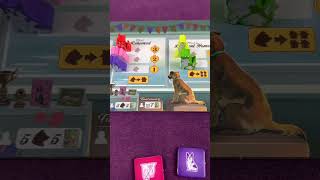
Final scoring involves tallying points from completed training cards, public objectives met through rehoming placement, and competitive majority bonuses tracked on a central commendation board. The commendation board tracks three categories per dog color: most dogs remaining in training, most dogs rehomed, and diversity of rehoming locations. While reviewers praise the strategic interplay these create, one noted that the scoring itself is the game's most complex element. The multifaceted scoring—combining card points, home objectives, and majority bonuses—isn't mechanically difficult to resolve, but it requires focus and deliberation at game's end. For a game marketed as accessible, this final accounting is where complexity concentrates, though reviewers felt it never becomes genuinely punitive to teach.
What Makes Forever Home Stand Out
Artwork and Thematic Cohesion
Reviewers were notably effusive about the visual presentation. Multiple reviewers called attention to the original artwork featured on cards, highlighting hand-illustrated dogs and compelling design. One reviewer stated they rarely see games actively draw comments from players about visual appeal, but Forever Home prompted exactly that. The design team used distinctive art and finishing touches—including how dogs interact with pattern spaces and the dog meeple designs on the commendation board—to create a cohesive aesthetic. The physical components are high-quality, with linen-finish cards that don't require excessive shuffling. The game's theme of animal rescue, reviewers noted, gives the lightweight mechanics a soul that many contemporary pattern-building games lack.
Symbiotic Pattern Mechanics
Reviewers identified the interplay between overlapping patterns as the game's most defining feature. Unlike simpler tile-placement games, Forever Home rewards players who can map multiple card completions simultaneously and strategize the optimal resolution order. The mechanic allows players to build toward several cards at once, but completing one pattern removes pieces that might support another. This creates what one reviewer called true "efficiency puzzling"—not because the rules are complex, but because the spatial and sequencing choices matter significantly. When execution works, players experience a satisfying moment of realized planning. The movement action provides a safety valve, allowing players to correct suboptimal placements without punishing them harshly, though inefficiency does accumulate.
Potential Drawbacks
Scoring as a Speed Bump
One significant critique emerged: the game's scoring is its most complex and least thematic element. While the core turn structure is elegantly simple, scoring requires cross-referencing multiple categories and tallying from several sources. Reviewers noted that this concentration of complexity at game's end feels incongruent with the swift, accessible gameplay leading up to it. One reviewer described scoring as "grindy"—more arithmetic than the rest of the experience suggests. For families and newer players, this final accounting can feel like a jarring shift in cognitive load. The scoring isn't broken, but it represents a moment where the game's accessible promise is temporarily suspended.
Game Length at Lower Player Counts
At two players, Forever Home moves toward the swift end of its range (reviewers suggest roughly 30 minutes with four or more, but potentially much faster with two). One reviewer suggested that two-player games sometimes feel slightly rushed, as the endpoint (seven completed training cards) arrives before players fully explore the pattern-building possibilities. The same reviewer proposed a simple house rule: adding one or two cards to the training deck at lower player counts to extend engagement time. With three or more players, pacing is widely praised as ideal.
If You Enjoy Forever Home
Reviewers directly compared Forever Home to several kindred spirits. Dog Park, the other dog-themed entry from Birdwood Games, shares thematic DNA but differs mechanically. For lighter tile-placement games, Dream Home was mentioned as a comparison point, though reviewers felt Forever Home's rehoming mechanism and pattern symbiosis set it apart. Rosio, another recent pattern-building game, drew direct comparison; one reviewer concluded that Forever Home surpasses Rosio specifically because the rehoming layer adds a dimension of strategic choice that Rosio lacks. The reviewer noted that while Rosio is solid, Forever Home's combination of clean rules, thematic coherence, and multi-layered puzzle feels more cohesive.
What Reviewers Are Saying
"The best thing about this game is the core gameplay is really simple and quite fun. However, the scoring is by far the most complex part of the game and I feel it actively trips Forever Home up, taking it away from being a super family friendly game into being a bit grindy to count up."
— 3 Minute Board Games
"Forever Home is a Charming game that's beautiful and that I believe will bring new people into the hobby. It's got a relatable theme, the cards are gorgeous, the gameplay is simple yet has some depth, and the components are great as well."
— TheGameBoyGeek
"The defining feature of it is the kind of symbiosis between the different patterns that you're building. You can actually build several cards at the same time or aim towards several cards at the same time. I think this is probably at the top of the pecking order when it comes to pattern-building games."
— Chairman of the Board