



Gwent: The Legendary Card Game Deep Dive
What the Community Thinks About Gwent: The Legendary Card Game
Reviewers approach Gwent: The Legendary Card Game as a faithful translation of the card game that many players first met inside The Witcher 3: Wild Hunt. TableTop Wolf describes spending far more time on Gwent than on the main story of the video game, and bought the physical cards after seeing them on eBay because they are the exact cards from the video game, with all of their balance quirks intact. Board Stupid makes the same point from the publisher's side, explaining that the whole card game was lifted out of the video game so that the cards players collected there are all in the box.
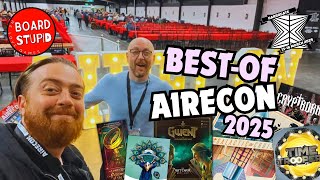
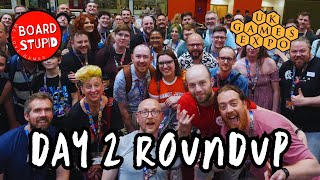
The praise is warmest among people who already know the source material. Board Stupid's day-two roundup from UK Games Expo 2025 describes the game as the Gwent people know from The Witcher 3 and calls it fun, while their Aircon 2025 coverage recommends it as a must-have for fans of the franchise, adding that the appeal is more limited for anyone who does not know the IP. TheGameBoyGeek saw the game during a Gen Con media event, and the reviewer's brief account of demoing it on a packed evening is more a recap than a full assessment, but it sits among the convention highlights the channel chose to mention.
Across the channels, the consensus is that the game is tactical and strongly tied to luck, with the balance questions treated as part of its character rather than as a flaw that ruins play.
Core Mechanics That Define Gwent: The Legendary Card Game
Deck Building
Reviewers describe deck construction as a pre-game process rather than something that evolves during play. TableTop Wolf explains that each faction requires a deck of at least 22 cards, built around that faction's own special rules, cards, and abilities, and Board Stupid describes typical builds of around 30 to 40 cards. The reviewer at TableTop Wolf estimated that each faction holds roughly 96 cards, and noted that the number of possible builds is large enough to make them consider limiting the neutral heroes, which any faction can use, since those heroes seemed to appear in nearly every game as the most powerful picks. None of the reviewers describe acquiring new cards during a match, so the build made before the game is the main strategic decision a player makes, and it is what separates a well-prepared deck from one that struggles.
Hand Management
The second mechanic reviewers emphasize is how players work with a small, fixed supply of cards. Board Stupid's explanation of the rules is that a player draws only the first ten cards from the deck, with a few special powers that let players draw more, and that cards not played must be kept for the next round because no new cards arrive. TableTop Wolf describes the same structure, with three rounds played using the cards drawn at the start. Each round, the decision is which card to commit to a row, which to hold back, and how to combine them so the cards remaining in hand stay useful. Board Stupid points out that a deck has to be built so that whichever of those opening cards appear, they will be useful. The result is that deck building and hand management are tightly linked, since the build determines what a hand can do and the hand determines when that strength gets spent.
The Gwent: The Legendary Card Game Experience
Witcher 3 Nostalgia
The feeling reviewers mention most is the connection to the video game. The cards carry the same art, text, and faction identities that players know from the video game, so the atmosphere comes from recognizing the heroes, spies, medics, decoys, and weather effects on the table. Board Stupid described the physical version as making them feel like Geralt, and TableTop Wolf treats the box as the complete version of a game they had already loved, including the cards that once felt unbalanced in the original.
Tense, Tactical Play
Beneath the fan appeal, reviewers describe a game where each round turns on whether the cards in hand can answer the opponent's last play. TableTop Wolf called the game very tactical, and the tension comes from variance: even well-built decks can lose to a bad draw or plain bad luck. When TableTop Wolf pitted their five best decks against one another, luck played a large part in the results, and an unexpectedly unbeaten Northern Realms deck was one of the surprises. The reviewer's conclusion was that this uncertainty is part of the fun rather than a problem to be solved.
What Makes Gwent: The Legendary Card Game Stand Out
A Complete, Faithful Adaptation
The most consistent praise is that the box needs nothing else to play. TableTop Wolf described the card stock as high quality, with clear and pristine images, and noted that the set includes the rules and the cards for every faction, so no additional purchase is required. Board Stupid highlighted that the physical release contains every card from the video game and plays as the same game, which made it a natural pick for fans who wanted the video game experience away from a screen.
Two-versus-Two Team Play
Board Stupid played a two-versus-two variant at Aircon 2025 that the publisher had just added to the rulebook. In that format, two decks work on the same battle lines and the partners can combine their abilities, so players can plan together rather than only against each other. Board Stupid's day-two roundup describes team play as the first time the game can be played this way, and calls it a fun way to play with a variety of possible rule variations. Board Stupid's Aircon coverage also says the format was tested before it made it into the final rules.
Potential Drawbacks
Rules Learning and Bookkeeping
TableTop Wolf notes that the complete set is not cheap, costing around a hundred pounds for the whole collection, and that the box does not include a case for the cards. The game also demands a solid grasp of the rules, particularly the tight bond ability, and the reviewer warns that tracking the score by hand can become a chore for anyone who is not confident with arithmetic. Players who expect a quick, casual pick-up game should be prepared to spend time on the rulebook before the first match.
Balance and Luck
Reviewers acknowledge that some would argue the game is unbalanced because it favors certain cards over others, and that some decks are overpowered. TableTop Wolf accepts the criticism but treats it as part of the appeal, since a strong deck can still lose to a bad draw. Players who want a more even contest may need house rules, and TableTop Wolf's suggestion of limiting the neutral heroes shows how the community already expects to adjust the game.
If You Enjoy Gwent: The Legendary Card Game
- Condottiere: TableTop Wolf names Condottiere as the game that Gwent takes its inspiration from, so readers who enjoy the tactical hand-and-round structure should look at the design that shaped it.
- The Witcher: Adventure Card Game: Reviewers' enthusiasm for Gwent is driven largely by its place in the Witcher universe, so this card game is a natural companion for players who want more of that world in card form.
What Reviewers Are Saying
"it's very tactical and some would argue unbalanced as it favors some cards over others but I would argue that that's where the fun lies in now in you and your opponent have overpowered decks that could lose by a bad draw or just general unluckiness."
— TableTop Wolf
"The night wrapped up at the [...] media party where I demoed Gwent based on The Witcher with my new friend Desiree. A packed night, but super fun."
— TheGameBoyGeek
"They did literally the entire time wholesale cut the whole thing out and turned it into an actual card game. So, all the cards that you sweated to to collect in the game, they're actually in the box."
— Board Stupid