/pic7083274.jpg)
/pic4066833.png)
/pic7083274.jpg)










































Herbaceous Deep Dive
What the Community Thinks About Herbaceous
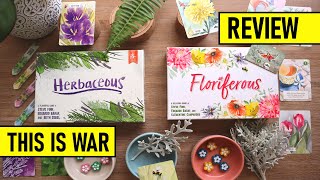
Herbaceous has earned a special place in the board gaming community as one of the most welcoming and genuinely relaxing games available. Reviewers consistently describe it as a game that transcends typical hobby gatekeeping, appealing equally to casual family members and dedicated gamers. The consensus is clear: this is a collection staple that belongs in almost every collection, regardless of experience level.
Core Mechanics That Define Herbaceous
The Push Your Luck Decision at the Heart
The central tension of Herbaceous revolves around deciding when to pot your herbs. Each turn you draw a card and place it in either your private garden or the communal garden. Whatever you don't choose goes to the other location, creating a constant tug of war. The longer you wait to pot your herbs, the more cards you accumulate, but your opponents gain access to the communal cards you've been building. It is fundamentally a game about timing and nerve, where the risk of losing everything you've accumulated is always one decision away.
Set Collection Through Multiple Container Options
Scoring happens through four distinct container types, each rewarding different collection strategies. The wooden planter scores one of each different herb, the large pot scores all identical types, the small pot scores pairs, and the glass jar accepts any one to three herbs plus bonus herbs. This design elegantly creates multiple valid paths to victory and prevents any single strategy from dominating play. You might lock in a modest score from your glass jar while your opponent chases the riskier but higher-value wooden planter combination.
The Herbaceous Experience
A Gateway Drug With Soul
Herbaceous works as an introductory set collection game because the rules are immediately graspable: draw a card, choose where to place it, decide if you want to pot. Yet beneath this simplicity lives genuine strategic depth. New players can enjoy the theme and make intuitive decisions while experienced players calculate probabilities and read opponents' strategies. The gardening theme creates a welcoming entry point, especially for family members who might never have considered themselves gamers.
Relaxing Without Being Trivial
What sets Herbaceous apart from other light games is how it balances accessibility with consequence. The cozy theme of growing herbs and tending gardens creates a mellow atmosphere, but the push your luck mechanic ensures tension remains present. You feel the weight of your decisions without feeling stressed by them. The game respects player agency while keeping rules overhead minimal, making it the perfect choice for situations where you want to play something meaningful without mental exhaustion.
What Makes Herbaceous Stand Out
A Push Your Luck Game With Heart, Not Cruelty
Many push your luck games feature aggressive interaction or punishing outcomes. Herbaceous achieves tension through subtlety. You are not stealing from opponents or rolling dice hoping for mercy. Instead, you simply choose when to cash in your gains. The game creates a satisfying rhythm where early pots provide safe points while later plays become increasingly risky. Reviewers note that this creates natural narrative moments within games: the moment you finally pot those six of a kind, the final desperate grab for a glass jar combo as the deck runs low.
Pocket Edition Perfection
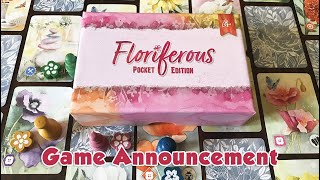
Herbaceous exists in multiple formats, but the pocket edition represents card game design at its most elegant. The game maintains its full strategic depth while fitting in a vest pocket, making it genuinely portable in a way that most card games claim but rarely deliver. Players report taking it everywhere, playing multiple rounds while traveling or waiting. The art translates beautifully to the smaller format, and the gameplay remains completely intact.
Potential Drawbacks
Luck Can Override Skill in Early Draws
The deck composition matters significantly. Early card distribution can heavily favor certain collection strategies, sometimes making optimal play feel predetermined. If the wooden planter (requiring one of each herb type) becomes achievable early while other container types require lucky draws, the strategic landscape shifts. Players who have studied deck composition can exploit this, but casual players may experience games where the luck of the draw feels heavier than their decisions.
Lightness of Strategy May Not Satisfy Everyone
For experienced gamers seeking deep tactical play, Herbaceous might feel thin. The decisions are meaningful but limited. You have four containers and one real choice per turn: private or communal. Some players find this elegant minimalism beautiful; others find it insufficient. The game is specifically designed as a lighter title, which is its strength, but it means it cannot satisfy players hunting for complicated decision trees or intricate engine building.
If You Enjoy Herbaceous
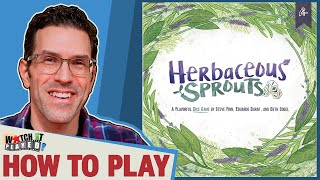
Players drawn to Herbaceous should explore other Pencil First Games titles, particularly Sunset Over Water and Herbaceous Sprouts. Sunset Over Water offers similar elegant simplicity with a different mechanical identity, while Sprouts uses dice instead of pure card play for a slightly different push your luck experience. Beyond Pencil First, try Biblios for a different approach to set collection with negotiation, Calico for a cozy themed puzzle experience, or Cascadia for another nature-themed game that rewards thoughtful spatial reasoning. If you appreciate the solo-friendly mechanics, Sprawlopolis and other wallet games offer similar constraints and decision density in even smaller packages.
What Reviewers Are Saying
"It's a game that every every gamer should have in their their collection. It's a collection staple to me. Entry level gamers, family members, I mean we've taught your mom, my mom has played it. It's not difficult, especially because the whole like learning and then you're just set collecting, it's a great introduction to that collection very pretty and it's a very special thing too. I want to call it the theme calm like potting gardening, that's a very like relaxing."
— Board Game Spotlight
"It's a game of chicken, how long can you hold out until you're like screw that, I'm scoring six of those, I'm not going to wait for seven, might never happen. It's simple rules, it looks really nice, and doesn't take long to play. Chill as chill gets."
— Board Game Hangover
"It's super super relaxing, super chill, lovely artwork. You know there's just some times where you just don't want to play a super complex game or a super crunchy game. This game fits the bill for a super super relaxing and simple game."
— AzureDeath | Solo Board Gaming