/pic7588439.jpg)























Inferno Deep Dive
What the Community Thinks About Inferno
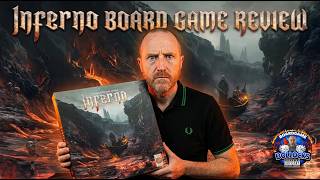
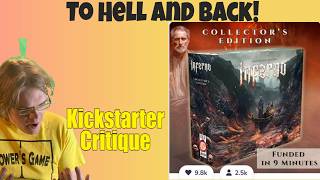
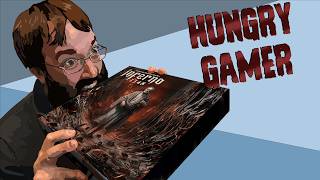
Inferno arrived in 2024 as a bold thematic take on the worker-placement genre, grounding its mechanical depth in Dante's descent through the circles of hell. The Hungry Gamer frames it as a heavy Euro with enormous variety, Let's Table It is intrigued by its dual-currency system, and TheGameBoyGeek points to the satisfying tension of its central track. Designed by Fernando Eduardo Sanchez and published by Red Mojo Games, it draws strong reactions, especially from heavy Euro fans, even as opinions on its pacing and density vary widely.
Core Mechanics That Define Inferno
Soul Management and Worker Placement
At its heart, Inferno is a soul-management game where players guide damned souls through the levels of hell using a two-phase structure that separates accusation from punishment. In the Florence phase, players act as nobles blaming fellow citizens, effectively condemning souls downward. The action then shifts to placement, where players move those souls through the circles, managing which souls land where to maximize scoring. This dual-currency tension, juggling the accusation phase against the spatial movement phase, creates decisions that ripple across the entire game and gives Inferno its distinctive worker-placement feel.
Racing Against Dante and Frequent Scoring
A defining feature is Dante's descent down a central track, which triggers multiple scoring moments throughout the game rather than saving everything for the end. TheGameBoyGeek describes how this central track drives the action and combos with the board's multiplier tracks, building momentum that feels genuinely satisfying. Because the early scoring windows arrive quickly, players must have viable scoring plans ready well before the finale, staying constantly aware of when the next trigger lands rather than slowly building toward a single climactic turn.
The Inferno Experience
Theme Woven Into Every Decision
The thematic execution carries real weight. Players feel the two-phase progression: first the political maneuvering of Renaissance Florence, where you blame others to settle scores, then the darker responsibility of placing souls in specific circles of hell. The box art and lavish production reinforce the Dantean descent visually, with components that evoke the medieval literary source. The theme is not pasted onto the mechanics; it shapes how players think about their choices at each step, which reviewers single out as a major strength.
Density That Demands Mastery
Inferno is unabashedly a heavy game. A first play can stretch past three hours at two players, and the board state evolves in ways that initially feel overwhelming, with many moving pieces and tracks to manage. The Hungry Gamer notes that for someone already at their limit for crunchy Euros it can be too much, while also being exactly what heavy-Euro fans want. That density becomes an asset once learned, as repeat plays reveal new strategic layers and teach players to anticipate the scoring windows earlier.
What Makes Inferno Stand Out
Unusual Pacing and Agency
Most worker-placement games build slowly toward an endgame climax. Inferno inverts this, with scoring happening frequently and fast, so players must adapt across multiple mini-crises rather than executing one master plan. This gives every round weight: when Dante moves and scoring triggers, you need something ready now. Reviewers found the resulting decisions compelling, including the recurring tension of whether to help another player when doing so ultimately helps you more, which generates more constant agency than a typical Euro.
Component Variety and Replayability
The Hungry Gamer emphasizes how much game sits in the box, between the papal bull cards, the eight different guardians, and the fraud cards, and how the way souls emerge and move through the circles changes the game dramatically every time. These modular elements ensure no two games feel identical, and strategies that worked last time may not work again. For players willing to invest in mastery, that variety keeps Inferno fresh across many plays.
Potential Drawbacks
Overwhelming Length and Complexity
At a long runtime and a heavy weight, Inferno is not a casual evening game. The rules complexity, combined with the board footprint and component count, can feel daunting for first-timers, and Let's Table It and others note that if you are already at your limit for crunchy Euros, this one may push too far. Setup and teardown alone require commitment, so groups that prioritize shorter playtimes or lighter decisions will likely find Inferno restrictive rather than rewarding.
Pacing Anxiety for Some Players
While the quick scoring moments generate tension for some, they can create analysis paralysis for others. The game's tightness means early decisions in a round cascade into opportunities lost later, and some players feel the fast scoring rushes them before they can set up the big plays they wanted. This produces a steep learning curve, where you must first understand why your careful plans do not work, then rebuild your whole approach around the game's deliberate pace.
If You Enjoy Inferno
Players drawn to Inferno tend to love heavy economic and worker-placement Euros. Brass: Birmingham shares the interlocking economic systems and player interaction, Agricola offers comparable worker-placement depth, and Great Western Trail delivers engine-building with multiple scoring paths. The political, board-shaping interaction of the blame phase will also appeal to fans of El Grande, where jockeying for influence and position drives the whole experience.
What Reviewers Are Saying
"There is so much game in the box already. You have the papal bulls, you have eight different guardians, and just those things create a ton of gameplay, and because of the way the souls come out and how they move through the hells, it's going to change up the game every single time, drastically."
— The Hungry Gamer
"We've got Inferno from Red Mojo Games. This is resource management worker placement, and they've got a dual currency system which looks really interesting in how you're going to play it."
— Let's Table It
"There's a central track that drives your action, and it combos with other stuff on the board, and then there are multiplier tracks that you can build up over time. The tension and momentum in this system looks super satisfying."
— TheGameBoyGeek