/pic7109773.jpg)
Game Info
Year
2021
Collection
Ratings
Creator Score
Mechanic profile
Not enough video data yet
Vibe profile
Not enough video data yet
Description
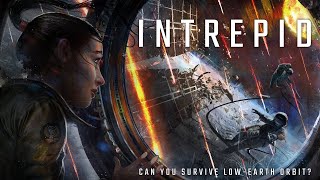
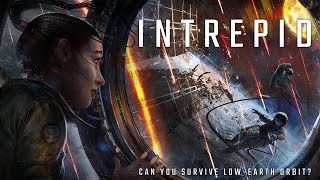
Intrepid is a game about surviving 220 miles above Earth aboard the International Space Station. Players take the role of astronauts from a variety of nations, bringing their unique technologies to bear. Players must work together to generate enough life-sustaining resources each round, all while working to resolve the disaster they are facing.
Intrepid is a strategic and highly asymmetric cooperative game for 1-4 players that takes between 60-90 minutes to play. With a variety of nations and disaster scenarios, each which play completely differently, every game of Intrepid will be completely unique.
—description from the publisher
Featured Videos
Review

Intrepid in about 3 minutes
Playthrough

Intrepid - Tutorial & Playthrough
Ask a Rules Question
All mentions
Browse transcript mentions, sentiments, pros/cons, mechanics, topics, quotes, and references.
Total mentions: 9
This page: 9
Sentiment:
pos 4 ·
mix 3 ·
neu 1 ·
neg 1
Showing 1–9 of 9
Video j8Y4Sj9PL78
Board Games UnLocked Playthrough at 1:34 sentiment: mixed
video_pk 115023 · mention_pk 327308
Click to watch at 1:34 · YouTube ↗
Overall sentiment (raw)
mixed
Pros
- Engaging cooperative experience
- Thematic immersion
- Strategic depth in dice and resource management
Cons
- High difficulty
- Can be punishing if players don't coordinate
- Complex rules and interactions can lead to confusion
Thematic elements
- Cooperative survival in space, managing resources and responding to crises.
- A space station facing a meteor shower and various disasters.
Comparison games
none
Mechanics (from transcript analysis)
- action selection — Players choose actions by spending dice values on various station tiles to generate resources or activate abilities.
- cooperative play — Players work together towards a common goal, sharing resources and coordinating actions.
- dice manipulation — Mechanics allow players to modify dice values, reroll them, or convert them between pools.
- Dice Rolling — Players roll dice as a primary action and resource generation mechanism.
- Disaster/Event Cards — Event cards or dice rolls introduce challenges and negative effects that players must overcome.
- Resource Management — Players must manage multiple resources (power, nutrition, oxygen, climate) to keep the station functioning.
- Set Collection — Players collect specific dice values or combinations to activate tiles or complete objectives.
- Tile Placement — Players place tiles that represent modules or upgrades on the station board.
Video topics + discussion points
No key topics recorded for this video.
Quotes (from this video)
- The tea is silent.
- Are we gonna die yeah we are.
- We're doing it together.
- Welcome to who's like well actually.
- The points are made up.
- We're going to lose eight oxygen.
- It's like you got diamonds you got gems you can live anywhere but they want to live where they can see Jeff Brolin's.
References (from this video)
No references stored for this video.
Video RZ7mnYd_mTA
Board Games UnLocked Review at 0:15 sentiment: mixed
video_pk 115022 · mention_pk 327307
Click to watch at 0:15 · YouTube ↗
Overall sentiment (raw)
mixed
Pros
- Asymmetrical cooperative design is interesting
- Can improve math skills
- Good component quality for tiles and dice
- Multi-ethnic representation of nations
- Missions can be activated proactively
- High replayability due to asymmetrical characters and board sides
Cons
- Very math intensive, can be off-putting for non-mathy players
- Felt like solo co-op due to asymmetry
- Game is extremely difficult and feels against the players
- Lacks strong thematic integration
- Poor component quality for spinners and card text orientation
- Requires a lot of table talk and quarterbacking potential
- Difficulty ramps up very quickly
- Resetting to lowest negative values can be frustrating
- Limited number of scenarios
Thematic elements
- space station
Comparison games
- Submarine
- Power Grid
- America
- Spirit Island
- Deep Madness
- Eldritch Horror
- Robinson Crusoe
- Root
- Pandemic
Mechanics (from transcript analysis)
- asymmetrical player powers — Each player has a unique role and special ability that influences how they interact with the game, contributing to the game's complexity and its 'solo co-op' feel.
- Card Play — Mission and disaster cards are used to drive the game's objectives and challenges.
- cooperative play — The game is described as fully cooperative, meaning all players work together towards a common goal.
- dice manipulation — Players have abilities that allow them to manipulate their dice rolls, which is tied to their unique character powers.
- Dice Rolling — Dice are a central mechanic, used for actions and resource generation, with a specific mechanic where players can flip dice to change their value.
- Resource Management — Players must manage various resources such as food, oxygen, climate, and power, with specific player roles focusing on certain resource types.
- Tile Placement — Players interact with a board that involves placing and managing tiles, which are associated with different resources and can be affected by game events.
Video topics + discussion points
No key topics recorded for this video.
Quotes (from this video)
- I need to just stop backing games on a whim.
- Because it's asymmetrical, you can't really be cooperative.
- I don't get the theme out of it. I get, hey, do some math equations. It's a very mathy game.
- I hate math and I didn't like this.
- The component quality is pretty pretty garbage really.
- It's a lot. It's a lot for an asymmetrical game where the only type of communication...
- The game is actively against you. You have math and it's not even the dice...
- I have no interest. I have none. I have no interest. I don't ever want to play Intrepid again.
- I would much rather play other challenging cooperative games that are heavier in theme that I have a better time with.
References (from this video)
No references stored for this video.
Video Na8O8McmUm4
BoardGameCo Review at 0:01 sentiment: mixed
video_pk 100382 · mention_pk 279098
Click to watch at 0:01 · YouTube ↗
Overall sentiment (raw)
mixed
Pros
- Love player determined end games.
- Pathways to victory and build up are very diverse.
- Solar system progression is very satisfying.
- Finding your pathway forward is very satisfying.
- Gameplay alone would probably have gotten a 4 out of 5.
Cons
- Rules overload on this is a lot.
- Player powers are very hard to build up into.
- Cards didn't feel as synergistic with the rest of the game.
- The nature of the rondel is information overload and a bit confusing.
- Slow initial burn.
- Players can feel stuck behind another player.
- Accessibility factor is a big thing.
- Sheer amount of components.
Thematic elements
- building galaxies, suns, planets, and ecosystems
- space
Comparison games
- Galileo Galilei
- Sette
Mechanics (from transcript analysis)
- Engine Building — Players upgrade suns and planets to gain more benefits and progress towards end-game scoring.
- Player Determined End Game — The end game is triggered when certain in-game goals are met by players.
- Rondel — Players move scientists around a rondel to take a variety of actions.
- Set Collection — Points are awarded at the end of the game for collecting sets of planets of the same type.
- Variable player powers — Players have personal player boards that provide asymmetry and unique ways to level up tiles for benefits.
Video topics + discussion points
No key topics recorded for this video.
Quotes (from this video)
- This is not a rules video. There's a lot going on here.
- So, hopefully there's a lot of things going on here, but you're starting to understand a bit more of the various ecosystems in play.
- For me personally, the first teach is kind of like, okay, I've learned the game, but I'm teaching it and still picking it up along with you.
- The gameplay is very satisfying. The sheer amount of ways to upgrade is very satisfying. Finding your pathway forward is very satisfying.
- The biggest strike for me personally is that I think between the teach and the sheer amount of components that up there is, I think this is definitely on the less accessible side in terms of the getting it tabled relative to some other games or other games that might have the same amount of work but are more rewarding.
References (from this video)
No references stored for this video.
Video 5Wwcex5YCyc
Getting Games Top 24 List at 20:38 sentiment: positive
video_pk 91083 · mention_pk 244113

Click to watch at 20:38 · YouTube ↗
Overall sentiment (raw)
positive
Pros
- cooperative play with asymmetric powers
- the ISS theme is appealing
Cons
none
Thematic elements
- space exploration and disaster management
- International Space Station
- cooperative/scenario-driven
Comparison games
none
Mechanics (from transcript analysis)
- Scenario-based cooperative play — scenario variety, tokens, and powers
- tile placement and event resolution — rolling events and space-based challenges
Video topics + discussion points
No key topics recorded for this video.
Quotes (from this video)
- I love rondelle's as a mechanism in general
- wandering around an island in a hot-air balloon and the whims of the wind
- endless variability or replayability
References (from this video)
No references stored for this video.
Video ouj_YfqMrxU
Board Of It Top List at 20:09 sentiment: positive
video_pk 38942 · mention_pk 117393

Click to watch at 20:09 · YouTube ↗
Overall sentiment (raw)
positive
Pros
- Unique cooperative puzzle with individual ship roles
- dice and placement feel thematic and tense
Cons
- Components quality can be mixed due to initial production issues
Thematic elements
- Space exploration, astronauts on a station
Comparison games
- The Crew
Mechanics (from transcript analysis)
- Cooperative dice puzzle — Each astronaut has a unique dice manipulation style; players collaborate on missions.
Video topics + discussion points
No key topics recorded for this video.
Quotes (from this video)
- this is the most risky one i've put on my list
- it's a heavy roll and write and it's just really well done
- the sandra mechanic is a clever twist that punishes the least trained department
- we've just enjoyed it so much we keep going back to it
- it's not just about winning, it's about optimizing with what you have
References (from this video)
No references stored for this video.
Video qtPQEn3o27M
Board of It Top List at 15:08 sentiment: positive
video_pk 28264 · mention_pk 82853
Click to watch at 15:08 · YouTube ↗
Overall sentiment (raw)
positive
Pros
- great for two players as a solo-syndrome style experience
- strong theme and puzzle balance
- no quarterbacking due to asymmetric roles
Cons
- solo play can be heavy; four players harder to coordinate
Thematic elements
- cooperative puzzle and dice manipulation
- space station disaster scenario
- space-age rescue mission with asymmetric powers
Comparison games
- Spirit Island
Mechanics (from transcript analysis)
- Asymmetric abilities — different powers create a varied puzzle for each player
- cooperative play — players work together to repair a space station
- dice manipulation / tile activation — each astronaut character manipulates dice in unique ways to activate tiles
Video topics + discussion points
No key topics recorded for this video.
Quotes (from this video)
- we hate co-ops
- this is the game to get if you like games that are low complexity but still have a bit of crunch
- it's one of the most solitaire gaming experiences we've ever had
- two players is the sweet spot here
- the two-player variant is perfectly fine
References (from this video)
No references stored for this video.
Video K5xSPyZUxYU
3 Minute Board Games Discussion at 7:21 sentiment: neutral
video_pk 6062 · mention_pk 120123
Click to watch at 7:21 · YouTube ↗
Overall sentiment (raw)
neutral
Pros
none
Cons
- Uncertain if retail versions will be released
Thematic elements
- Unknown
- Unknown
Comparison games
none
Mechanics (from transcript analysis)
Mechanics unknown.
Video topics + discussion points
No key topics recorded for this video.
Quotes (from this video)
- I used to call this a shelf of shame that was a pretty common thing to call it back in the day and I don't never really liked that term because I don't feel shame that I haven't got to these games
- this is mostly work like this is just a backload of things I probably should get to
- people will still be looking for it
- it doesn't matter if the game is like 20 years old people will still be looking for it
- I've painted this one and I spent a lot of time doing it
- there's no point putting them on the channel I think both of them have been out of print for like a decade
- one of the worst kickstarters by one of the worst studios in board gaming history
- Golden Bell Studios did everything wrong you could possibly think of
- purely toxic company run by incredibly terrible people
- it would be kind of a joke that I'd be able to do a three minute video of feudum
- this game has a tutorial video online that's like 40 minutes long
- The Rose explanation video feels like a parody but it's actually how the game is played
- nothing personally to me puts me off playing a game that then sitting down unboxing it and having a craft assignment
- stop making me spend hours assembling your damn games
- this is an uncontrollable mess right now
- I'm a full-time dad and I'm really doing this in the evenings
- I have a finite space and also it just puts pressure and stress on me having a whole bunch of crap there that I know I'm not going to get to
- I'm going to do a big cull
- I will be published by this company but that doesn't mean I'm going to be slavishly devoted to every single game they put out
- I am a sucker for cute animal games like I really am
References (from this video)
No references stored for this video.
Video Wh0FVj7HA1k
3 Minute Board Games Review at 0:13 sentiment: negative
video_pk 2724 · mention_pk 7999
Click to watch at 0:13 · YouTube ↗
Overall sentiment (raw)
negative
Pros
- Beautiful packaging and table presence
- Space theme with a large variety of astronauts
- Guidebook helps new players
- Interesting dynamic when upgrades reveal on other players' boards
- Different math puzzles per nation
Cons
- Core experience is solitaire-like; heavy on math with limited real-time player interaction
- Events can be mean and not fun; unavoidable
- Win conditions are dull and anticlimactic
- Limited tactical options each turn to solve disasters
Thematic elements
- Cooperation under pressure; modular dice-based mechanics
- International Space Station disaster scenario; space mission management
- Primarily mechanical/puzzle with evolving upgrades; a game of personal math puzzles leading to group outcome
Comparison games
- Merchants Cove
- Gen 7
Mechanics (from transcript analysis)
- dice_rolling_and_manipulation — Dice are rolled and assigned to different system tracks; different nations have unique dice manipulation powers
- disaster_deck_and_events — Draw disaster cards each round and resolve persistent threats
- Events — Draw disaster cards each round and resolve persistent threats
- mission_progression — Advance missions through five steps, with increasing costs per step
- Resource Management — Track energy and climate resources on four boards, using tile bottom-right values and card costs
- resource_management — Track energy and climate resources on four boards, using tile bottom-right values and card costs
- solo_and_shared_play — Core gameplay is solitaire-like on individual boards; group discussion occurs after results are tallied
- Tile Placement — Place starting tiles on the main board and on the dedicated resource boards; tokens on control color
- tile_and_board_placement — Place starting tiles on the main board and on the dedicated resource boards; tokens on control color
- upgrades_and_resource_siphon — Buy upgrade cards that drain other players' resources; face nutrition drains for certain cards
Video topics + discussion points
No key topics recorded for this video.
Quotes (from this video)
- the game is incredibly well packaged and the components are stunning and it has a huge table presence that commands attention
- the Space theme and large variety of astronauts are also neat
- all up a game that would suit Cooperative groups who really like to run their own turns
- the best thing about this game is when players find out their upgrades during the other players boards, it creates an interesting Dynamic
- however this game is all about doing math on your own board and sharing the results of the group later
- that means the meat of the game is a solitaire segment and only when you finally report your findings back do you find out if someone's stuffed up and you all died
- and the events are just not fun they're mean and unavoidable
- ultimately instead of having many options each turn to solve a space disaster, your one option is to do more math at your console
- Intrepid: everything I like in a game except it's not fun
References (from this video)
No references stored for this video.
Video 6CbR8aJ5Wu0
Getting Games Playthrough at 0:00 sentiment: positive
video_pk 1481 · mention_pk 4294
Click to watch at 0:00 · YouTube ↗
Overall sentiment (raw)
positive
Pros
- Cooperative design with clear team win conditions (complete three missions).
- Rich asymmetric dynamics create varied strategic avenues per country.
- Dramatic and tangible disaster reactions via tokens and cards.
- Scalable play with different player counts and expansions.
- Dynamic resource management and dice manipulation provide depth.
Cons
- High complexity and a steep learning curve for new players.
- Executive planning and multi-step calculations can lead to analysis-paralysis.
- Tile placement and orientation rules (especially for certain countries) demand careful attention.
Thematic elements
- disaster management and resource coordination among asymmetric crews
- International Space Station, near-future cooperative space operation
- scenario-driven, mission-based progression with evolving threats
Comparison games
none
Mechanics (from transcript analysis)
- Asymmetric Player Powers — Country-specific rules and storage/pool interactions create unique pathways for each player.
- capacity economy — Players spend capacity to modify dice, unlock tiles, or advance research for end-game acceleration.
- cooperative resource management — All players contribute to a shared set of resources and must avoid negative drains to survive.
- Dice Placement — Players roll and place dice on station tiles to perform actions and generate resources.
- dice placement and activation — Players roll and place dice on station tiles to perform actions and generate resources.
- dice transfer and docking modules — Docking modules allow dice values to transfer or be copied between players' pools.
- disaster deck and scenario tokens — Disaster cards place scenario tokens on tiles, reducing outputs or disabling tiles temporarily.
- emergency supplies and orange zones — Orange-track conditions trigger emergency measures to prevent immediate loss, at a cost.
- habitation module resource generation — All dice placed in habitation generate a single resource type, chosen collectively.
- missions with escalating costs — Starting missions require die expenditures and progressively demand more resources to complete.
- Resource Management — All players contribute to a shared set of resources and must avoid negative drains to survive.
- tiered station tiles with drains and amplifications — Tiles impose drains and can be amplified or strained to adjust outputs, influencing strategy.
Video topics + discussion points
No key topics recorded for this video.
Quotes (from this video)
- This is a fully cooperative experience so all of the players are going to win or lose the game together.
- The only way we win the game is by successfully spending the indicated resources to complete all three missions.
- For japan they care about the exact orientation of their dice.
References (from this video)
No references stored for this video.
Transcript Navigation
Showing 1–9 of 9