
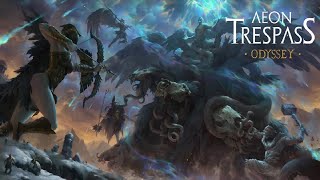


Kingdom Death: Monster is a fully cooperative tabletop hobby game experience. Set in a unique nightmarish world devoid of most natural resources, you control a settlement at the dawn of its existence. Fight monsters, craft weapons and gear, and develop your settlement to ensure your survival from generation to generation.
Campaign System
Embark alone or with up to 3 friends (5 with game variant) on a 5-30-lantern-year campaign, with each year consisting of a cycle of hunt, showdown, and settlement phases. The settlement phase is an intricate civilization building game in which you spend very limited resources to build buildings, research new technologies, train your warriors, and set up your strategy for survival. During the hunt, you'll encounter a series of stories in a "choose your own adventure" style journey through various events and encounters. Finally, when you meet the monster you're pursuing, you'll engage it in an a massive arena-style battle where only one party is going to survive. If your party lives, you'll be able to bring the spoils back home to use in expanding your settlement.
Monster AI System
Each of the 7 monsters included are controlled by their own pair of decks that scale to 3 levels of difficulty (except for the final encounter, which has only 1 level and it's HARD!). Every encounter, even with the same monster, is highly variable and no two showdowns will resolve the same way. Players will have to plan their gear and keep their minds sharp to prevail.
Gear System
In Kingdom Death: Monster, survivors will craft gear from resources earned from defeating monsters or found on their hunt. Each survivor has a 3x3 gear grid. Selection and arrangement of your gear cards is critical, as many provided bonuses and activate special rules when aligned correctly.
Story Event System
40+ Story Events plus over 100 hunt encounters will shape and guide your campaign. Story Events detail important evolutions in your civilization, introduce new monsters, and provide rich detail for your campaign. Some will trigger automatically as you progress through the campaign, but most will be entirely based on choices players make.
Story Events cover everything from setting up and fighting a monster to key events that happen within the overall story. Some are triggered directly from the timeline and others from choices you make in game.
- Learning and adapting strategy improved the second attempt.
- The 'ride the giga train' strategy was effective.
- The game offers deep strategic and thematic elements.
- The creature's AI and mechanics present a challenging puzzle.
- The introduction of new mechanics like the Strain system adds depth.
- High difficulty and risk of permanent injury or death.
- Complex rules can be challenging to master.
- Mistakes in initial play led to setbacks.
- Resource management is critical and can be punishing.
- Survival and fighting monsters
- Flavor text and in-game events
Mechanics (from transcript analysis)
- AI deck — A deck of cards dictates the monster's behavior and actions each turn, influencing movement, attacks, and special abilities.
- Combat — Involves rolling dice to hit targets, with modifiers for accuracy, strength, and damage, and critical hits having special effects.
- Gourmet Suit — A specific armor set mentioned that provides defensive and morale benefits.
- Injury system — Survivors can suffer various injuries, including permanent ones that affect movement, combat abilities, and can lead to death.
- monster abilities — Monsters have unique abilities like 'Vicious' (area attack after turn) and 'Giga Claws' (grab and damage).
- Resource management — Players manage resources like 'Survival' and 'Luck' to perform special actions, rerolls, and mitigate damage.
- Riding the Giga Train — A specific strategy employed by players to engage the Gigalion by staying close and using coordinated movements.
- Status Effects — Includes effects like 'Grab', 'Bleed', 'Dazed', and 'Enraged', which alter gameplay for both players and monsters.
- Strain System — A system that introduces permanent changes or new mechanics to the campaign based on certain conditions being met.
Video topics + discussion points
Quotes (from this video)
- if people aren't backing on patreon they're screwing up.
- part of kingdom death is learning the ai of the creature that you're fighting.
- we have to ride the giga train it's sort of the biggest puzzle in kingdom death.
- your lifetime reroll was put in as a debuff because intimacy when you take survival of the fittest you roll twice and take the lowest result.
- i hope he bites down on my corpse then i slaughter him as you die.
References (from this video)
- Plays very quickly
- Easy to learn
- Affordable (under $20)
- Doesn't take up much space
- Offers good decisions
- Satisfying progression and build-up
- Requires destroying cards (may not be for everyone)
- Difficult to reset if cards get scattered
- Building a kingdom
Mechanics (from transcript analysis)
- Card upgrading — Cards can be flipped or turned over to represent upgraded versions with new abilities or resource production, often costing resources like coins, wood, or stone.
- Deck building — Players start with a basic deck and can add new cards discovered through gameplay, increasing the deck size over time.
- Enemy Cards — Adversary cards can appear that block card effects or penalize players, requiring specific actions or resources to deal with.
- event cards — Special event cards are introduced into the deck that can introduce challenges or opportunities.
- legacy — The game requires players to alter, write on, and destroy cards as they progress, with the host noting, 'you will be required to destroy cards, to write on cards, to write on your box, and to keep progressing your kingdom as you build it.'
- Resource management — Players gather and spend resources like money, wood, and stone to perform actions and upgrade cards.
- Score Chasing — The game tracks progress through a score and allows players to post their results online, described as 'kind of a score chasing game.'
- set collection — Players may collect specific card types or achieve certain kingdom developments to gain victory points or unlock new abilities.
Video topics + discussion points
Quotes (from this video)
- how expensive board games are getting.
- these large Kickstarters where you are getting 10 to 20 boxes at one time just filled with plastic and content that most people will probably never even get to.
- going forward, I am going to make a concerted effort to cover more games that are cheaper.
- this is a solo only legacy card game.
- I think this game is super cool.
- It's like $15 on Amazon and even from the website.
- this is a really good travel game.
References (from this video)
- The game is very fun, leading the host to play more rounds than intended.
- The merchant expansion adds interesting mechanics like purging and discovering new cards.
- The game has a satisfying sense of progression and engine building.
- The game has a steep learning curve and potential for errors in rule interpretation.
- Some mechanics, like the bandit encounters, can be frustrating or unhelpful in certain expansions.
- The complexity can lead to long playtimes.
- building a kingdom
Mechanics (from transcript analysis)
- bag building — Implied by the process of purging cards and managing the deck.
- Campaign play — The content revolves around playing through a campaign with expansions.
- card drafting — Mentioned when looking at sets of cards to purge or select.
- Deck building — Discussed in the context of purging cards from the deck and gaining fame from them.
- Resource management — The game involves managing various resources like trade goods, coins, wood, stone, and steel.
- set collection — Implied by the goal of acquiring specific cards or combinations for points.
- Variable player powers — Mentioned with 'person ability' and specific card effects that alter gameplay.
Video topics + discussion points
Quotes (from this video)
- I cannot get enough of this game.
- that's how much fun this game is.
- Purging means we have to destroy friendly cards, but keeping their fame.
- If you know this channel at all, you know my math is circumspect.
References (from this video)
- Adds significant new content to an already extensive game.
- Expansions are unique and add substantial content.
- The Red Witch and Pria expansions work well together while adding new flavor.
- The design and miniatures are highly detailed and impressive.
- The wanderer adds a unique character to the settlement.
- The gatherism expansion adds a new philosophy for specific survivors.
Mechanics (from transcript analysis)
- Campaign play — The expansion can be used in almost any campaign, with instructions for different core game expansions.
- Character progression — Includes elements like fighting arts, innovations, and disorders that affect survivor abilities and development.
- Combat — The expansions introduce new combat mechanics and challenges, including unique monster behaviors and specific combat scenarios.
- Nemesis Monster Encounters — Introduces new Nemesis monsters that are integrated into the game's campaign structure, replacing existing ones or appearing at specific points.
- Resource management — New resources are introduced, some of which are used for crafting gear or developing advancements.
- Settlement Events — New settlement event cards are included, which add narrative or mechanical effects to the settlement phase of the game.
- Survivor Gear — New gear cards for survivors are included, which can be gained from fighting monsters or through other game events.
Video topics + discussion points
Quotes (from this video)
- This is an Mrated game. Uh there's scenes of violence and potentially sexual scenes and things of that nature.
- Kingdom Death is a massively uh ahead of the time when it comes to their miniatures for their games.
- I think the Red Witch and the Prior, I think, are really cool cuz they kind of work together with each other, but still add a new flavor to it.
- They're all so unique and they add so much content to this game. It's absolutely unbelievable.
References (from this video)
- Exciting campaign progression
- Satisfying resource collection for crafting
- Aesthetic appeal of components (dice)
- Strategic decision-making in combat and settlement development
- Difficulty of encounters (e.g., White Lion)
- Potential for critical fails and bad rolls
- Complexity of the game systems
- survival horror
- dark fantasy world
- emergent narrative
Mechanics (from transcript analysis)
- Age — A mechanism for advancing survivors or the settlement, granting new abilities or traits.
- AI deck — The monster's behavior and actions are dictated by drawing cards from an AI deck.
- crafting — Players gather resources to craft items like armor and weapons for their survivors.
- Hit location deck — Used to determine where attacks land on the monster.
- Hunt Events — Random events that occur during hunts, such as the 'lion cub' encounter or the 'aromatic breeze'.
- Innovation — A system for developing new technologies or abilities for the settlement.
- Showdown — This refers to the combat encounters where survivors face off against monsters.
Video topics + discussion points
Quotes (from this video)
- kingdom death super excited about it
- we're going to find a lion this time why are we fighting the lion because my guitar got destroyed and we'd like the whiskers for moods and traits
- these are going to be the fabled blue dice that sure found out about when we were doing the essential upgrades video
- The survivors find a white lion cub they may choose this lady they come if they do survivors gain one random basic resource
- The darkness is filled with unearthly screeching and yelling huddle together survivors close their eyes but cannot sleep all survivors suffer one brain event damage
- we are slaughtering them and everyone was like no don't go fight a level two yet i'm like i don't know man
- we have to continue on along this path
- we have to make babies
- born we are currently in lantern year nine
References (from this video)
- The game offers a deep and engaging experience with strategic decision-making.
- The integration of theme and mechanics is well-executed.
- Character progression and customization are a strong point.
- The campaign structure allows for emergent storytelling.
- The replayability is high due to modular elements and varied outcomes.
- The ruleset is complex and can be difficult to learn.
- Some encounters can be punishing, leading to character elimination or severe setbacks.
- The reliance on dice rolls can lead to frustration with bad luck.
- The "engulfed" condition is particularly challenging and can feel debilitating without a clear escape.
- The game's narrative is presented through quest books and story events, like the Grove Knight encounter.
- Mage Knight
- Hto
- Elder Scrolls
- Cloudspire
- Kingdom Death: Monster
Mechanics (from transcript analysis)
- Combat — The playthrough heavily focuses on dice rolls for hitting, wounding, and defending against enemy attacks.
- Condition Cards — Characters can gain conditions like "slime" or "engulfed" that affect their actions and abilities.
- Dice rolling — Dice rolls are fundamental to most actions, including attacking, defending, and activating abilities.
- Enemy AI — The game uses AI cards to determine enemy actions and movements.
- hand management — Players manage cards in hand, deciding which to play and when, with discussion around hand limits and card cooldowns.
- Resource management — Players manage "heat" and "passion" resources, which influence their abilities and actions.
- Scenario/Quest Progression — The game is played as a series of quests with specific objectives and ongoing narratives.
- token management — Tokens like "break" or "precision" are used to modify actions or rolls.
Video topics + discussion points
Quotes (from this video)
- This is definitely different. Yeah. And I That's a good plan.
- My question is, when we get to do our scavenge, can I take a full clash because we beat the full clash thing, right?
- So, again, this how I understand it. I got a million and a half green only two red for flesh shredder. So, he did not complete his quest and neither did um Ran Renholder.
- Make bad news. Sydney needs to change his name to day of for garbage collection.
- You're like clicking eight buttons to get it there. I need a six, right?
- We're going to have to figure out the only person I think that So, again, this how I understand it. I got a million and a half green only two red for flesh shredder. So, he did not complete his quest and neither did um Ran Renholder.
References (from this video)
Mechanics (from transcript analysis)
Video topics + discussion points
Quotes (from this video)
- And so this is the video where I start the process of taking a look at them, seeing what has come in, talking about the campaigns that I cannot wait to play and realistically acknowledging that now that I have a child that goes to sleep at a fairly regularly scheduled time and wakes up rarely in the middle of the night.
- So, pour a drink with me and uh let's go ahead and start going through all of the games that I need to not only unbox, sort, learn, but sit down and start to play.
- Not a shelf of shame. No, not that. But a lustful, girthful pile of board games that are ready for you to just sweep them up in your arms and make dear and desperate late night romance.
- I've been receiving stuff that I've already got on back order and I've been uh playing through a lot of stuff that I already had.
- The most accessible big game campaign game narrative adventure setup I've ever experienced.
- And the other thing for me is it has these really interesting branching narrative pathways.
- How do you all go about opening up and organizing your games?
- Listen, any of these games, I need I need people to come play them with me and make sure I don't get all the rules wrong.
- The point of this video is just to talk about these giant flipping big box games that I have that I need to open up and all of the lovely games that I need to sit down and play.
- Y'all said having a kid was going to like throw a wrench. Yeah, I didn't believe you.
- I need you to let me know what games you have sitting on your desirable floor of unloved, begotten relics of a different age or future past.
References (from this video)
Mechanics (from transcript analysis)
Video topics + discussion points
Quotes (from this video)
- We are a community full of people with maxed out credit cards cuz the next addictive board game on the shelf just needed to be purchased even though we haven't played the last dozen that came in or because we've backed 20 not realizing that they're all going to arrive in about a year and uh our satiation for brand new boxes is going to slow down in between then and now.
- We're not the same industry that existed before the pandemic. An industry when crowdfunding was a dream that publishers could use to make things happen.
- We're not the same community. We're more hesitant, more cautious. we are more skeptical of crowdfunding projects that don't have history and age behind them.
- I'm hopeful and also concerned. I'm hopeful cuz I want to believe in what this space is and and what our hobby space has always been for me. A place to connect, a place to discover new worlds and go on adventures and spend time with friends, a place to heal from the impact and disruption that technology adds into our lives that social media um seeps into our very soul.
- Get out and play some games.
References (from this video)
- The watcher is a thematically resonant and well-designed boss.
- The reactive AI and hit location system are enjoyable.
- The game provides a challenging and engaging journey, even in defeat.
- The game can feel swingy and unfair due to RNG.
- High difficulty leading to frequent survivor and settlement loss.
- Mistakes in understanding rules can significantly impact the game.
- The cyclical nature of a settlement growing, influenced by a watcher, and eventually consumed by it.
- The game's narrative unfolds through events, survivor deaths, and the overarching story of the settlement and the watcher.
- Arkham Horror
Mechanics (from transcript analysis)
- Coordinated Attack — Allows for a strength bonus when multiple survivors attack.
- Dash Action — Survivors can spend survival to dash their retinue, moving it additional spaces.
- Dice Rolling for Attacks — Players roll dice to determine hits and damage, with various modifiers and effects impacting the outcome.
- Embolden — Allows a survivor from the settlement to enter the showdown if there are fewer than four non-retinue survivors on the board.
- Encourage action — An action that can be taken by survivors to boost other survivors, potentially involving a survival cost.
- Hit Location Deck / HP — The watcher uses HP instead of a hit location deck, though it still has a hit location deck for other aspects.
- Monster Collision — Retinues can be affected by monster collision.
- Monster Turn Actions — Specific actions occur at the start of the monster's turn, affecting survivors in the void nexus.
- population management — The loss of a retinue results in a population loss for the settlement, which cannot kill other survivors in the showdown.
- Retinue Rules — A mechanic where survivors unite to form a cohesive unit that acts as a single large survivor on the board, lending strength to other survivors without attacking directly.
- Severe Injury Rolls — When taking damage, players may need to roll for severe injuries, which can lead to permanent effects.
- Stolen Dream Survivor Status — A status card that can be gained by survivors, causing them to be knocked down and potentially archive the card under certain conditions.
- Survivor Collision — Retinues are treated as impassible terrain for survivor collision purposes.
- Vapor of Nothingness — When the watcher collides with a survivor, the survivor suffers brain damage and head damage that ignores armor.
- Void Nexus — Survivors in the void nexus suffer bash at the start of each monster turn.
- Watcher's AI Deck — The watcher does not use a traditional AI deck, but instead has specific behaviors and actions that dictate its turn.
Video topics + discussion points
Quotes (from this video)
- Honestly, good riddance.
- This is a game where it's about like the journey and not so much like the perfect like scenario.
- The game is going to feel swingy. It's going to feel unfair at times, but the pendulum in theory with good play and more knowledge will swing more in favor to you, but it'll still just due to the way that RNG works swing the other way as well.
- Your campaign has ended in death and magnificent hopelessness.
References (from this video)
- Intricate and engaging mechanics
- Beautiful art
- Challenging and memorable fight
- Thematic integration of mechanics
- High complexity can be overwhelming
- Potential for harsh penalties (e.g., running out of BP deck)
- Confronting monstrous entities, survival, and the consequences of past actions
- Utrabent
- Epic, dark fantasy with elements of horror and personal struggle
- City Fighting Cycle 2
- Dark Souls 3 (Abyss Watchers)
- Castlevania Nocturne
Mechanics (from transcript analysis)
- Armor Tokens — The monster can gain armor tokens, increasing its defense and AT (attack) value.
- Body Part Deck (BP) — The game uses a Body Part deck, and running out of cards or discarding them can lead to losing the clash.
- Campfire Tales — A mechanic that provides benefits based on successful rolls during rest, potentially increasing heat limits.
- Condition Cards — Players can gain negative conditions like 'Slimed', 'Poison', and 'Courage' which impact their abilities and stats.
- Crit Miss Effects — When a player rolls a critical miss (white dice is a one), it triggers effects on the monster, such as discarding gear cards and gaining benefits.
- Keyword Abilities — Keywords such as 'Engulf', 'Dwell', 'We are many', 'Escalate', 'Odd spawn', 'Ooze trap', 'Spread thin', 'Surging slime', and 'All out strike' define specific monster actions and player interactions.
- Monster activation — Doppel Knights activate without tokens and their activation order is determined by the lowest number on the mob track.
- Resting and Fortification — Players can perform actions like fortifying during rest to gain benefits.
- Swamp Terrain — Specific terrain tiles (swamp) are relevant to monster movement, spawning, and condition effects.
- Trait cards — Special cards like 'Engulf' and 'Living Waste Heap' introduce unique rules and effects that alter gameplay during the encounter.
- Vigor and Heat — Players manage Vigor (health) and Heat (resource for abilities), both of which are crucial for survival and performing actions.
Video topics + discussion points
Quotes (from this video)
- The shambling creatures known as the knights of the fen are enigmatic to say the least.
- They cannot speak. They have no face to emote with. And yet they always carry with them a profound sense of yearning.
- All its hunger and desire somehow focused on securing your death.
- Dude, this is going to be like that city fighting cycle too.
- Escalate as if you dealt a wound to Knight of the Fen.
- All doppel Knights activate after Knight of the Fen, starting from the lowest number on the mob track and performing attacks using the doppelganger effect on the drawn AI card if there's any using the same evasion stats.
- So many people on forums talk about this fight and they've liked it.
- This is what dreams are made of.
- Yeah, I don't like that. A lot of conditions in this game you can't get rid of.
- It's like a it's another kind of mob boss fight, but different than the warrior rape that we just did.
- He dies again.
- The problem with him is that he's hard to hit.
- I literally always just p like I don't know why I build characters that are all or nothing and then I'm mad whenever it's nothing
- It was a one. Okay. Which will put a two right in here.
- Dude, how many I mean now you should have enough to do an unleash.
- You know what it is? I think I need to be high and start watching [ __ ] cuz I think that's what what makes it bad.
- So, man, we all contributed the entire fight. Every single one of us.
References (from this video)
- Engaging narrative and emergent storytelling
- High tension and challenge
- Satisfying progression and character development
- Visually thematic components and artwork (implied by the hosts' engagement with the game elements)
- Brutal difficulty can be punishing
- High randomness can lead to frustration
- Complexity of rules and systems can be daunting
- survival horror in a dark and dangerous world
- event-driven with emergent storytelling
Mechanics (from transcript analysis)
- Asset management — Players manage resources like hide, organs, and other items obtained from monsters to craft gear and improve their survivors.
- Character progression — Survivors gain hunt XP, understanding, courage, and potentially new fighting arts or abilities throughout the game.
- Combat System — Involves positioning, attacking with various weapons, and dealing with monster abilities and reactions.
- Dice rolling — Used extensively for attack rolls, event resolution, and determining various outcomes.
- Disorder System — Survivors can gain mental or physical disorders that impose penalties or alter their behavior.
- Event resolution — The game progresses through various event cards that present challenges, narrative choices, and immediate consequences.
- settlement management — While not the focus of the stream, the game involves managing a settlement and its population.
Video topics + discussion points
Quotes (from this video)
- Literally the day before retirement. He's about to retire AND HE DIED.
- Fart city.
- Coin is the Messiah. It's happening right now.
- I'm so mad at you.
- You're worth the skull.
- My guy's arm fell off. Glad they're magnetized.
References (from this video)
- a game this size could not feasibly be made without the community of supportive backers that we found on Kickstarter
- it's just too expensive to produce and too vivid for distribution
Mechanics (from transcript analysis)
Video topics + discussion points
Quotes (from this video)
- the seventh continent has just dominated the top position on board game geeks hotness lists
- the manufacturing costs caused by the game's enormous size an amount of content make retail distribution cost prohibitive
- a game this size could not feasibly be made without the community of supportive backers that we found on Kickstarter
- it's just too expensive to produce and too vivid for distribution
- are we witnessing the beginning of a new trend here
References (from this video)
- horror fantasy
- a unique nightmarish world devoid of most natural resources
Mechanics (from transcript analysis)
Video topics + discussion points
Quotes (from this video)
- These are the games that are generating the most traffic and discussion on that website
- This is a big game with lots of moving parts to track
- so when it's done it's gone
- This game is heavy and I'm not just referring to its rules or mechanisms
- Rising Sun was a phenomenal success on Kickstarter raising 4.2 million dollars
- setting a new record by being board game geeks hottest game for a fifth month in a row
References (from this video)
Mechanics (from transcript analysis)
- card flip — Used for enemy activation.
Video topics + discussion points
Quotes (from this video)
References (from this video)
- Unique and engaging solo experience
- Satisfying decision-making regarding card upgrades
- Campaign elements add replayability and progression
- Involves permanent modifications like stickers and ripping cards.
- Can go through the deck quickly, limiting upgrade opportunities.
- Campaign-based progression with card upgrades and modifications.
Mechanics (from transcript analysis)
- Campaign play — Involves a basic campaign with potential for expansions and new missions.
- card drafting — Deal out four cards, use resources from three to upgrade the fourth.
- Deck building — Starts with a deck of 10 cards, which are upgraded.
- Resource management — Using resources to upgrade cards.
Video topics + discussion points
Quotes (from this video)
- 2024 is the season to eat too much food and play a lot of games
- happy New Year Happ New Year oh by the time you watch this it's probably too late I mean it's still the new year so still like you happy New Year thank you Taran
- we are going to split those into two so 11 to 20 and then 1 to 10 so that is coming
- however everyone does it we are going to do it maybe sometime mid January potentially
- these are games from various sources they're new to us games so not all of them are going to be new in December 2024 some of them have come to us as review copies games we've purchased games we've done content on but all of this video is our opinion
References (from this video)
Mechanics (from transcript analysis)
- cooperative campaign with custom miniature-driven scenarios — players collaboratively build a camp, hunt monsters, and manage resources toward survival.
Video topics + discussion points
Quotes (from this video)
- Trust us.
- Verify everything, trust nothing.
- The biggest lie board game companies tell might be the simplest. Trust us.
- You're buying version 1.0 that needs patches, but there's no disclaimer saying software may require updates.
- The app has potential for gamebreaking bugs, especially in stretch goal missions.
References (from this video)
- Innovative legacy-style card modification with stickers and tearing
- Strong solo campaign with evolving deck and surprises
- Clear card discovery mechanics that limit spoilers
- Rich artwork and tactile components
- Promise of future titles using a similar system
- Irreversibility of changes limits replayability after finishing a campaign
- Tearing/writing on cards may deter some players from replaying or sharing copies
- Initial rounds can feel slow or uncertain as the deck grows
- Limited information on publisher/designer outside this video (unclear public availability)
- Legacy-style progression where cards are upgraded, torn, or modified to shape the kingdom
- Solitary medieval kingdom-building world with exploration and development
- procedural, evolving campaign where state of the kingdom changes over time through card-driven events
Mechanics (from transcript analysis)
- card crafting — Certain cards instruct you to discover new cards by numbered reference to specific cards in the box, preventing spoilers.
- Card Discovery — Certain cards instruct you to discover new cards by numbered reference to specific cards in the box, preventing spoilers.
- Card modification — Tearing, stickers, and writing on cards permanently alter components and affect future play.
- Card upgrading across multiple sides — Flip upgraded sides of cards as you accumulate coins and wood, culminating in powerful end states.
- Deck building — Start with a base set of cards; draw four each turn and upgrade cards as resources allow.
- deck-building — Start with a base set of cards; draw four each turn and upgrade cards as resources allow.
- end game bonuses — Scoring through goal cards and end-game bonuses from treasury/export cards.
- End-game scoring — Scoring through goal cards and end-game bonuses from treasury/export cards.
- End-game trigger — The campaign concludes when you reach card 70, at which point scoring occurs.
- Level-based town/building variety — Town/building cards interact with events, weather, and enemies that affect scoring.
- Permanent/ongoing effects — Some upgraded cards stay in play to generate resources every turn.
- Resource management — Manage coins and wood to upgrade cards and enable advanced effects.
Video topics + discussion points
Quotes (from this video)
- it's absolutely genius. They've done such a great job with this.
- I've really I've been really surprised by this game.
- the best way once you've finished playing is to just reby the game.
- I would love to see this with like a different theme, maybe like a sci-fi theme.
- I really enjoy the artwork on the games as well.
- this is definitely a great one to check out.
References (from this video)
- Surprisingly fun to play as a solo campaign style card game
- Easy to learn and pick up
- Good fit for solo play and casual play sessions
- Limited explicit details on narrative depth and replayability from the transcript
Mechanics (from transcript analysis)
- Card-driven solo campaign — solo campaign-style card game with progression through a campaign or scenarios
Video topics + discussion points
Quotes (from this video)
- I love solo travel. If you're out there and you're wanting to solo travel, but you haven't done it yet because you think like, I don't know how it's going to be, it's great.
- It's the best.
- I have no itinerary. I'm just living my life and it's the best.
- Oh my god, that's such a great book.
References (from this video)
- Gorgeous production and atmosphere
- Rich thematic experience
- Robust campaign and upgrade options
- Expensive expansions
- Steep learning curve and complexity
- Gorgeous, mysterious, and brutally thematic survival campaign
- Dark fantasy horror with a harsh, immersive world
- Campaign-driven with random encounters and a settlement phase
- Eldritch Horror
- Arkham Horror
Mechanics (from transcript analysis)
- Campaign progression and settlement phase — Players advance the story between sessions and manage settlements
- Dynamic combat with meaningful upgrades — Combat with fluid and branching systems and equipment progression
- Random encounters and evolving monsters — Encounters and monsters scale with progress and expansions
Video topics + discussion points
Quotes (from this video)
- this is a top five games I sold and repurchased
- the boxes are super small so it's very easy to store on the Shelf
- Space Hulk was one of my original Hobby Games from phase one of my collecting
- it's absolutely gorgeous game that really spoke to me
- I missed that chaotic games of getting brutally beaten down
- Board Game Geek... universal heads rules summaries... absolute godsend
References (from this video)
- Array
- Dark Fantasy
Mechanics (from transcript analysis)
Video topics + discussion points
Quotes (from this video)
- board games are a hobby very dedicated people to it and my god it is wondrous
- it's a hobby
- I could do this myself and I realized that there's a lot of other games besides just this
- we're really glad we gone to YouTube as soon as we could
- there's a bigger audience so there's more to watch
- there's so many of them
- it's a start of something crazy there's more to come for board games
- I would not have gotten into board games if it wasn't for YouTube
- the board games space because now board games are newer the more aesthetically pleasing they're more balanced
- I remember that there were three different clubs at UC San Diego consistently playing board games
References (from this video)
- Deep world-building and immersive storytelling
- Tremendous mechanical depth and customization
- Extremely space-intensive and time-consuming
- Very high learning curve and complexity
- Array
- Dark fantasy cooperative survival campaign with brutal challenges
- emergent storytelling with high-stakes survival and gear progression
Mechanics (from transcript analysis)
- Cooperative survival with expeditionary campaigns — Players survive against grotesque threats, crafting gear and progressing through a long campaign.
- Lantern Year progression and gear development — The game features a year-based progression and gearing system that shapes survivorship and advancement.
- Narrative-driven, high space requirements — A long, space-consuming experience with heavy narrative weight and expansion content.
Video topics + discussion points
Quotes (from this video)
- I really like the one versus many gameplay of it.
- The Rebels and the Empire player also changes over time as they get more experience points too.
- If the empire player is picking a different doctrine, the way you have to approach the campaign can actually be quite different.
- you can change history.
- the Europe scoring card, having painted all the battleground countries of Europe red on turn two and win the game immediately.
- this game is wonderful. I've played it over 40 times now, and every game is a blast.
- the card drawing and the two card limit per region mechanisms
- the gods, they bicker amongst themselves. Sometimes in an alliance, sometimes in a state of total war.
- I've spent many hours arguing over who is and is not a Sylon.
- I would basically want to play this game all the time if I could.
References (from this video)
- Epic scale and commitment, flagship crowdfunded model
- drives player aspiration in big, thematic builds
- Accessibility and price barrier
- very time-consuming
- ambition, survival, epic scale campaigns
- Dark fantasy cooperative/world-building
- emergent storytelling through campaign progression
- Exploding Kittens
Mechanics (from transcript analysis)
- Campaign-driven gameplay — Massive campaign with evolving encounters and narrative progression.
- Miniatures-based production — Extensive plastic/miniature components and evolving equipment.
- Random Production — Extensive plastic/miniature components and evolving equipment.
Video topics + discussion points
Quotes (from this video)
- Exploding Kittens was raised $8 million on Kickstarter for many years. It opened the floodgates for other publishers to look at Kickstarter as a viable medium.
- I don't think we'd have Gloomhaven without Exploding Kittens.
- Blood on the Clock Tower is the de facto social deduction game taking shape.
- It's a beautiful game about nature reserves.
- ARCs has done very very well and other games in the leader lineup as well as the sister company.
References (from this video)
- deep tactical combat with high tension
- cinematic storytelling through hunt events and AI interactions
- strong escalation as survivors gain tools and abilities
- great cooperative feel with shared fate
- very heavy rules and setup
- long play sessions can be intimidating for new players
- component clutter and rule lookup can slow pacing
- survival, community, mythic terror
- grim dark post-apocalyptic fantasy with monstrous hunts in a dangerous world
- procedural, resource-driven storytelling with event tables and character progression
- Legends Rune Terror
Mechanics (from transcript analysis)
- character progression and mastery — Gaining XP and unlocking fighting arts and weapons to deepen each survivor's toolkit
- hunt/ambush phase — Hunt events and ambush sequences resolved via event tables and courage rolls
- injury, bleeding, and critical wounds — Weapons and hits can cause bleeding, injuries, and persistent effects that affect future rounds
- monster AI / player-controlled AI — Monsters are governed by an AI deck and live action cards controlled by players
- Resource management — Survival tokens modify actions, dodges, and strategic choices during combat and exploration
- survival resources and tokens — Survival tokens modify actions, dodges, and strategic choices during combat and exploration
- Track advancement — Gaining XP and unlocking fighting arts and weapons to deepen each survivor's toolkit
Video topics + discussion points
Quotes (from this video)
- We are here uh doing our year four hunt against the White Lion.
- The event revealer rolls on the table.
- It's a 100 different events that can happen.
- The hunt event table is a 100 different events that can happen.
- Beast ambushes the survivors.
- We did it. Congratulations, guys. We did it.
References (from this video)
- High narrative depth and dramatic moments
- Rich, atmospheric theme and artwork
- Cooperative play with emergent storytelling
- Strategic depth in combat and resource management
- Rule complexity and long setup/teach time
- Potential for brutal consequences and party losses
- Inventory/crafting can be fiddly and time-consuming
- survival horror, community rebuilding, and stochastic storytelling
- Dark fantasy world of survivors facing brutal, narrative-driven monster hunts
- procedural, event-driven with evolving character arcs and consequences
- Kingdom Death: Monster (KD:M)
Mechanics (from transcript analysis)
- Event-driven narrative and death/rebirth — Statues, relics, and special events shift the party dynamics, sometimes altering survivor identity and state.
- Events — Statues, relics, and special events shift the party dynamics, sometimes altering survivor identity and state.
- Hit locations and wound resolution — Attacks target specific hit locations; wounds can cause permanent injuries and affect future capabilities.
- Insanity, morale, and disorder tracking — Survivors gain various disorders or insanity; these affect actions, survivals, and long-term outcomes.
- Monster AI and hunt phase — A patrol of AI-driven monster actions drives the hunt phase; players coordinate to optimize positioning and risk.
- Survivor management and crafting — Scrap, bone, hide, organs, and other resources are used to craft gear and upgrade survivorship, with crafting options affecting combat and survivability.
Video topics + discussion points
Quotes (from this video)
- So, we are going to go and fight a frog dog.
- The statue resembles a deceased survivor.
- Secret fighting art
- Plus one permanent accuracy.
- Storytelling
References (from this video)
- Rich theme and deep customization
- Long-term storytelling
- Very heavy setup and cost
- Logistics heavy
- Grim horror, memory and sacrifice
- Dark fantasy campaign in a harsh, mythic world
- Campaign-driven with memory and long-term consequences
- Gloomhaven
- Nemesis
- Zombicide
Mechanics (from transcript analysis)
- boss battler — Epic, challenging monster encounters
- Campaign — Extremely long campaigns with evolving characters
- Campaign-based progression with character development — Extremely long campaigns with evolving characters
- Difficult boss battles — Epic, challenging monster encounters
- Resource management — Collectors and resource allocation for equipment
- Resource/Survivor management — Collectors and resource allocation for equipment
Video topics + discussion points
Quotes (from this video)
- Board games are supposed to be fun, right?
- In cooperative games, you're playing together and you're trying to beat a game and the game sometimes has it out for you.
- Are house rules adaptions that you make to make the game more playable, or are they a sin against God, man, and the industry as a whole?
- To maintain the fun of the game and continue moving forward, we were just fudging some of the core mechanics.
References (from this video)
Mechanics (from transcript analysis)
Video topics + discussion points
Quotes (from this video)
- you are somebody's reason to smile
- we are so close to 30,000 Garden members
- thank you all so much for watching and for your support
- I am leaving for Japan and I cannot wait to document it
References (from this video)
- Deep narrative and grim atmosphere
- High player agency and storytelling potential
- Tactical combat with meaningful choices
- Extremely heavy rules and setup
- Miniatures assembly and large components can be fiddly
- Long play sessions with luck-driven variance
- Survival horror, resource management, and grim storytelling within a cooperative survival framework.
- A dark fantasy post-apocalyptic hunting world where survivors build a settlement and face monstrous threats.
- Event-driven, narrative campaign with incremental character and settlement development.
- Stalker
- Resident Evil
- Pandemic Legacy
- Dawn of Madness
- Nemesis Legacy
Mechanics (from transcript analysis)
- Combat: Dice — Attack resolution uses dice and accomplishment cards to produce hits, crits, and special effects.
- cooperative_survival — Players cooperate to govern survivors, gather resources, and endure monster threats.
- dice_and_card_combat — Attack resolution uses dice and accomplishment cards to produce hits, crits, and special effects.
- hunt_showdown_cycle — Sequence of hunt phase followed by a monster showdown with AI-driven behavior and encounter cards.
- permanent_injury_and_insanity — Injury cards and insanity tokens accumulate, affecting survivability over time.
- resource_and_crafting — Pelts, bones, and other resources crafted into gear and equipment.
- terrain_and_movement — Modular terrain and board setup influence routing, hazards, and combat positioning.
Video topics + discussion points
Quotes (from this video)
- PJ, we found you in overwhelming darkness.
- We're fighting a screaming antelope.
- Screaming antelope's resource.
References (from this video)
- Impressive minis and production value
- Deep lore and narrative
- Very high price point and complex upkeep
- Expansions multiply the scale and maintenance
- grim fantasy survival with detailed minis
- Blood Rage
Mechanics (from transcript analysis)
- campaign_progression — long-form, narrative-driven gameplay across sessions
- mini-games — detailed combat with large, singleton minis
- miniature_battle — detailed combat with large, singleton minis
Video topics + discussion points
Quotes (from this video)
- France, today we are going to piece together our board games. Literally.
- I think that those are cubes from terraforming Mars.
- I won on a technicality.
- You earned those. You earned those.
- It's better to have someone else be wrong than you be right.
References (from this video)
- strong thematic immersion and narrative weight
- high replayability due to random events, AI deck variability, and settlement choices
- large table presence and collaborative storytelling with friends
- deep progression with aging, enhancements, and unique artifacts
- very heavy and complex rules that can be daunting for newcomers
- long play sessions with a crowded rule book and numerous components
- grim tone and brutal mechanics may be off-putting to some players
- survival, community-building, ritual, and the horror of encountering grotesque, existential threats.
- grim, dangerous settlement environment where survivors hunt monstrous beings and survive a harsh ecosystem.
- campaign-driven, narrative-heavy with evolving settlements, artifacts, and story events.
Mechanics (from transcript analysis)
- AI-driven monster deck — monsters act via an AI deck and reflex checks, creating unpredictable and dynamic combat encounters.
- campaign-driven progression — survivors age, gain innovations, unlock new tools, and evolve the settlement across years.
- Resource management and crafting — players gather bones, hides, organs, and other resources to craft weapons, armor, and tools.
- seed patterns and innovations — innovations and seed patterns drive new equipment, table interactions, and settlement capabilities.
- settlement events and tableaus — settlement phase events influence population, food, and available upgrades or dangers.
Video topics + discussion points
Quotes (from this video)
- That was literally the fastest fight I've ever played.
- We are influencers. So we influenced ourselves to fight the envelope.
- That was an eventful event.
- We killed it.
References (from this video)
- Extremely adult content
- Some consider it pornographic
- Dark and inappropriate for children
- Survival horror and crafting
- Dark horror world
- dark narrative
- Kingdom Death: Little Monsters (proposed child version)
Mechanics (from transcript analysis)
- Combat and survival — Fighting monsters for survival
- crafting system — Complex settlement building and resource crafting
Video topics + discussion points
Quotes (from this video)
- the most fun part is building the castle itself
- kids love hearing the same stories over and over
- a giant space exploration game with ships like this I doubt I would have left the house for at least a year
- the vicious politics of 18th century New York translated exceedingly well to the average American high school
- if any game out there needs a kid-friendly version its Kingdom death monster
- a wonderfully wholesome game already but a kids version of this game would be amazing
References (from this video)
- Deep, thematic cohesion between story, mechanics, and setting
- Rich tension from the AI-driven boss encounter and the survival/insanity tracking
- Dynamic turn order and terrain interactions add variety each session
- Rewards feel meaningful (resources, loot, advancements) after a hard-fought win
- High complexity and long setup time can be intimidating for new players
- Rules interactions and edge-case clarifications can require frequent FAQ checks
- Expensive baseline investment due to model kits and expansion content
- Survival, horror, tragedy, mythic beasts, and community growth through loss and risk.
- Dark fantasy survival world with settlements deep in a hostile, nightmare landscape; campaigns follow survivors as they contend with monstrous threats and evolving hunter society.
- Campaign-driven, story-event heavy with persistent consequences (injuries, age, insanity) and evolving lore through hunts.
Mechanics (from transcript analysis)
- AI Deck System — The monster (e.g., phoenix) uses a draw-from-deck mechanic to determine its actions with basic, advanced, and legendary cards that drive the encounter.
- Displacement and Collision — Monsters can relocate and collide with survivors, causing knockback, armor effects, and collision damage based on positioning.
- Hunt XP and Crest Progression — Earn hunt XP to advance the settlement cycle; crest cards unlock new abilities and consequences as the campaign progresses.
- Resource Harvest and Loot — Victory yields basic resources and monster-specific resources; terrain and gear influence what is found and how it’s used.
- Story and Secret Events — White Secret/story events introduce story-driven consequences that interact with the fight and hunting phases.
- Survival, Injury, and Madness — Characters accumulate age tokens, disorders, and insanity through events and combat, influencing future abilities and survival chances.
- Targeting and Blind Spots — Certain gear provides bonuses for attacks from blind spots; movement and terrain influence attack resolution and outcomes.
Video topics + discussion points
Quotes (from this video)
- me at the table
- continuing our playthrough of kingdom death monster
- epic win after such a tense fight
- this is probably gonna be epic fail
- meet me at the table
References (from this video)
- Rich, narrative-driven system with deep lore and meaningful progression
- Dynamic AI-driven monster encounters that create tense, varied combat
- Settlement phase introduces long-term planning and customization
- Loot and scavenging mechanics provide tangible rewards and strategic choices
- Cooperative play with humor and high-energy interaction
- High complexity and steep learning curve for new players
- Rulebook-driven experience with potential ambiguities requiring clarifications
- Component count is large; setup and organization can be time-consuming
- Sessions can be slow due to the scale of Showdowns and settlements
- Memory and bookkeeping (insanity, wounds, progression) can be fiddly
- Survival horror, deeply narrative-driven co-op campaign with evolving settlements
- Dark fantasy in a grim world with stone-faced idols and lantern-lit survival settlements
- Card-driven encounters, AI-driven storytelling with per-encounter narrative progression
- Primal
- Kingdom Death: Monster (series as a benchmark)
Mechanics (from transcript analysis)
- AI deck-driven monster behavior — Each encounter uses the top AI card to determine actions. The monster targets the closest non-dead survivor facing in range, and turns to face the attacker, creating a dynamic, asymmetric encounter.
- Campaign milestones and long-term design — Milestones (First Child, population thresholds, and innovations) track campaign progression across years and influence future events.
- card crafting — Players craft weapons and armor (e.g., bone blade, skull helm, rawhide armor) from resources. Full armor sets grant stat bonuses and special effects.
- Critical Hits and Failures — Successful wounds reveal hit locations. Some wounds are critical, granting powerful effects (e.g., permanent strength increases) and triggering additional outcomes like location-specific consequences.
- D10 combat resolution and hit location — Attacks resolve with a d10 system: 2+ typically hits, 1 always fails. Wounds require meeting or exceeding a target's toughness, and hit locations reveal specific body parts that can have reflexes or special effects.
- Dodge during the monster phase — Dodge is permitted only during the monster attack phase, not during reactions to AI cards, adding timing tension to combat resolution.
- Equipment crafting and armor sets — Players craft weapons and armor (e.g., bone blade, skull helm, rawhide armor) from resources. Full armor sets grant stat bonuses and special effects.
- Injury, insanity, and brain damage — Injury tokens and insanity tracks affect survivors and AI behavior. Targeting survivors can generate insanity, and brain injuries influence courage and other attributes.
- Innovation deck and tech discoveries — Innovations are drawn and resolved, spending basic resources to unlock tools and improvements (e.g., language, bone smith, skinnery).
- Movement, range, and facing — Players move across spaces with a range mechanic. The monster has turning behavior to face the attacker; positioning relative to the monster influences hit chances and reactions.
- Quarry and hunting rotations — Quarry adds a monster to hunt; the party selects a hunt target and uses gear to improve outcomes in future hunts.
- Reflexes and basic actions — Certain hits provoke reflex actions by the monster, requiring careful sequencing and sometimes altering the attacker’s options during the turn.
- Scavenging and loot from Showdown — After a showdown, survivors scavenge the monster’s corpse to gain resources (bone, hide, lantern scrap, etc.), which feed settlement progression.
- Settlement phase and inspiration — In settlement, survivors heal, gain endeavors, and unlock innovations. Endurance and hunt XP accumulate, and language becomes the first technological discovery.
- Wound locations and critical wounds — Successful wounds reveal hit locations. Some wounds are critical, granting powerful effects (e.g., permanent strength increases) and triggering additional outcomes like location-specific consequences.
Video topics + discussion points
Quotes (from this video)
- We killed our first monster. Congratulations.
- Scavenging the monster's corpse the survivors earn resources.
- Language consequences to The Innovation deck.
- We're going to fight a white lion.
- Bone blade please.
- The skull Helm is three armor points for the head.
References (from this video)
- Rich, dark storytelling with memorable boss encounters
- Deep, collectible-driven customization and progression
- Extremely complex and lengthy setup/playtime
- Expensive and sprawling components can be unwieldy
- Survival, horror, and emergent storytelling
- Dark fantasy world with brutal, narrative-driven campaigns
- Campaign-driven, storybook-like progression
Mechanics (from transcript analysis)
- Campaign progression — Long, narrative-driven campaigns with evolving encounters.
- heavy miniatures & components — Scale-rich production supporting immersive storytelling.
Video topics + discussion points
Quotes (from this video)
- none of these games are bad games
- this is an absolutely fantastic game
- this is a polyomino game
- cockroach poker is the best party game I have played
- this entire list is a bluff
- it's the best game that awakened realms has produced with the exception of iss Vanguard
References (from this video)
- Dense, thematic expansion with expanded content (Gambler's Chest).
- Robust campaign framework with evolving mechanics (collective cognition, knowledges, philosophies).
- New encounter monsters and node-based progression add variety.
- Seed patterns and indomitable patterns provide rich flavor and incentives.
- High complexity and learning curve.
- Potential bugs and stability issues (stone clouds bug; dwelling resets).
- Large footprint and setup time; heavy component management.
- Content decisions can be controversial (dice roll governance).
- Horror survival, ritual sacrifice, philosophical progression through knowledge and myth.
- A grimdark, survival-focused campaign where a small settlement studies and hunts monstrous beings in a dangerous, lore-rich world.
- Evolving campaign with knowledge and philosophy decks; modular, story-driven with boss encounters and lore.
Mechanics (from transcript analysis)
- collective cognition — Points tracked as survivors hunt monsters; higher-level monsters yield more points, driving progression to harder threats.
- dashboard / knowledge tracking — Dashboards and pantries track knowledge cards, philosophy, and settlement progression for thematic flavor.
- encounter monsters / hunt deck — Encounter monsters act as dungeon-like mini-showdowns; appear in the hunt deck and on the board with unique mechanics.
- indomitable patterns and resources — Special resources gained from killing higher-level monsters that enable powerful weapons.
- knowledge cards / knowledges — Progressive, replace fighting arts with upgradable knowledge cards accessed via lummy costs and brain trauma observations.
- node-based monster progression — Progress via node-based monster progression: node 1, node 3, etc., with different monsters and synergies.
- philosophies & philosophy deck — Characters gain philosophies at age milestones; drawing from a deck that unlocks stats and gear and interacts with knowledge.
- seed patterns — Crafting recipes from seed pattern deck, requiring era-specific resources and unique components; flavorful crafting system.
- watcher / kings / level pacing — Watchers and kings affect pacing and level requirements; Watcher pushes players to fight at level 3 counters.
Video topics + discussion points
Quotes (from this video)
- I love the gamblers chest.
- Isn't it nice? It's a nice big space.
- This is an entirely new kind of monster.
- I think it's nice to showcase how that works.
- I'm very excited to be jumping into the deep end.
- the White Lion is at least an A grade, sometimes even S tier for me.
References (from this video)
- rich world-building and art
- epic Showdown encounters with a strong narrative hook
- board design and modularity add a tactile feel
- high price point
- very heavy rules and lengthy setup
- availability and supply challenges for some editions
- grim survival, boss encounters, storytelling-driven campaigns
- grim fantasy horror campaign world centered on survivial peril and nightmarish encounters
- campaign-driven, episodic with evolving narrative threads
- Exoplanet World Survival
Mechanics (from transcript analysis)
- Campaign progression — story-driven progression across a living campaign with escalating threats
- Cooperative Game — players cooperate to guide Survivors through escalating threats and Showdowns
- cooperative play — players cooperate to guide Survivors through escalating threats and Showdowns
- Modular board — modular Showdown boards with stylized terrain patterns that affect tactics
- Resource and risk management — managing Survivor resources, morale, and risk during sessions
- Terrain/board integration — modular Showdown boards with stylized terrain patterns that affect tactics
Video topics + discussion points
Quotes (from this video)
- Go Vikings that's right go Vikings
- I love pain and Agony
- this board actually has some really neat things in it
- blood for the blood God it's one of the greatest paints
- these ugly tyranids
- The Showdown board for Kingdom Death Monster
- this board is going to look amazing
- Beetle Juice
- Raiders of the Lost Ark
- Independence Day
- Jaws
- Bill & Ted's Excellent Adventure
- Monty Python and the Holy Grail
- The Holy Grail
- Go Ninja Go Ninja Go
- Napoleon scenes are good
- crunch crunch
References (from this video)
- epic production
- deep, rich gameplay
- extremely expensive
- heavy rules
- survival, boss fights, settlement development
- fantasy-dark world with monsters
- story-driven campaign
- Gloomhaven
Mechanics (from transcript analysis)
- Campaign progression — leveling and building settlements over time
- cooperative dungeon-crawl — story-driven monster encounters and settlements
Video topics + discussion points
Quotes (from this video)
- no matter what, gloomhaven remains top-rated board game
- please subscribe don't go stay with the best heavy solo game
- it's just epically big
References (from this video)
- Epic boss battles and dramatic moments
- Rich customization, flavor, and storytelling
- Tangible, tactile components that reinforce immersion
- Occasional production/deck issues and table clutter
- Steep learning curve and lengthy campaigns can grind on players
- Survival, resource management, boss fights, and narrative progression
- Dark fantasy horror with a surviving settlement facing monstrous threats
- Emergent storytelling driven by events, injuries, aging, and settlement development
- None
Mechanics (from transcript analysis)
- Aging and experience progression — Survivors gain age tokens, unlock abilities, and sometimes retire or promote into new roles.
- Cooperative survival campaign — Players work together to endure hunts, manage resources, and grow a settlement.
- Event deck and injuries — Injuries and event cards shape survivor stats, abilities, and future hunts.
- Positioning and ambush mechanics — Dueling map layout with wind effects, pushes, and monster ambushes that influence outcomes.
- Resource gathering and gear crafting — Collect resources to craft weapons, armor, and gear to improve survivability.
Video topics + discussion points
Quotes (from this video)
- Phoenix belly spills open. Any adjacent survivors begin to vomit and are knocked down.
- This is Fighting Phoenix's, man. There just no survival for it.
- Dingle Sneak won't be able to use plus one speed anyway without grand weaponing.
- I'm cursed.
- This is such a cursed settlement. This is what you get.
- Zanbotto with no name. Perfect hit.
- We love crossarm block here.
References (from this video)
- rich, cohesive theme with strong art direction
- deep strategic combat with meaningful decisions
- strong community and philanthropy angle during the stream
- very complex rules that demand long learning and setup
- very long plays can be required to finish a campaign cycle
- high component and table space requirements
- survival, trauma, community-building, grimdark horror
- A dark fantasy post-apocalyptic setting where shattered civilizations endure hunts against monstrous entities and build a settlement.
- campaign-driven with evolving milestones, lore fragments, and knowledge card lore
- Sun Stalker
- Dragon King
- Phoenix
Mechanics (from transcript analysis)
- Bleeding and insanity management — bleeding tokens power effects but increase risk; insanity and related disorders influence choices.
- Hit locations and armor customization — combat uses hit locations; armor and weapon proficiencies shape survivability and efficacy.
- Knowledge/Philosophy cards — collective cognition and philosophy knowledge cards grant abilities and insights for the group.
- Seed patterns and Endeavors — patterns determine what can be built or crafted and tie to resource and innovation progression.
- Settlement phase and timeline — players manage returning survivors, gain Endeavors, and advance the settlement ledger with events.
Video topics + discussion points
Quotes (from this video)
- KDM has five or six artists they continue to use, and the philosophy books are illustrated by different artists, which is pretty awesome.
References (from this video)
- ambitious, deep world-building
- rich customization options and art
- strong dedicated fan community
- very heavy rules and upkeep
- high component cost
- challenging to schedule for playgroups
- survival against eldritch threats with heavy narrative arcs
- grim fantasy horror with monster-centric campaigns and settlements
- campaign-driven, evolving storyline with character progression
- Wingspan
- Root
- Gloomhaven
- Frosthaven
- Kingdom Death
Mechanics (from transcript analysis)
- boss encounters — epic, monster-focused battles with unique mechanics and loot paths
- Campaign progression — long-running campaign where characters and settlements evolve over time
- character customization — persistent upgrades and gear choices shaping survivability
- cooperative play — players cooperate to defeat monstrous threats and advance the narrative
Video topics + discussion points
Quotes (from this video)
- board game content channels on YouTube are very wide and shallow
- we're narrowing that down and identifying five categories of videos
- the next year for the channel is really about building back relationships with the community
- I want to bring our channel down to probably about five identifiable series
- defund Kickstarter is an idea we talked about
- we're not going to trade Shabbat for conventions
References (from this video)
- epic scale and atmosphere
- rich, narrative-driven campaign
- immense theme and table presence
- extremely heavy rules and upkeep
- high cost and long play times
- niche appeal for downtime with a dedicated group
- survival, moral compromise, relentless escalation
- Dark fantasy horror in a brutal, surreal world where monstrous threats loom over a fragile settlement
- campaign-driven, evolving narrative with personal progression
- Gloomhaven
Mechanics (from transcript analysis)
- Campaign progression — character and settlement development across sessions with persistent gear and monster encounters
- Monster-driven combat — asymmetric boss fights with unique monster stats and behaviors
- Resource/gear management — acquiring, upgrading, and managing equipment to survive longer campaigns
Video topics + discussion points
Quotes (from this video)
- I jumped straight into Kingdom Death Monster those were like in my first 10 games.
- i'd rather just play kingdom death for me, time and again
- my second biggest regret is failing to introduce so many games
- i have not yet effectively learned how to read and learn a game not only efficiently but accurately
- the core of it it's about facilitating and building relationships
- we have a responsibility to be careful the way we present something and try our best to let the audiences understand what they will and won't like
- get out there and stare in somebody's eyes subscribe to table dots
References (from this video)
- Strong thematic flavor and sense of danger
- Deep co-op experience with meaningful choices
- Rewarding progression and character development
- Extremely complex and lengthy rules
- High learning curve and setup
- Heavy game for casual play sessions
- survival, horror, conquest, and community growth
- Dark fantasy survival and hunting in a mythic world
- episodic campaigns with event-driven storytelling
- League of Legends
Mechanics (from transcript analysis)
- Equipment crafting and resource management — Loot from hunts (bones, hides, organs) used to craft armor, weapons, and gear
- Hunt phase and AI monster behavior — Turn-based combat with monster actions driven by AI cards; target closest threat logic
- Monster controller — One player acts as the monster and drives the threat; coordination with others via action rules
- Random event deck and environmental hazards — Event cards modify the risk and terrain (heat, ambushes, etc.) and affect survival
- Settlement management and aging — Population growth, milestones, intimacy, and survivability decisions across years
- Survivor progression and injury system — Tracking brain damage, insanity, bleeding, and armor integrity across hunts
Video topics + discussion points
Quotes (from this video)
- We've killed our first real White Lion.
- it's a game changer
- GG's
References (from this video)
- Vivid storytelling and immersive playthrough with a strong sense of progression.
- Deep, recognizably thematic mechanics that reward careful planning and adaptation.
- Energetic presenter with clear enthusiasm and willingness to explain rules contextually.
- Complex system with a lot of rules interactions; potential for confusion if not familiar with the game.
- Significant risk of character loss and mission resets due to harsh event outcomes.
- grim survival, teamwork under pressure, consequence-driven progress, and the relentless threat of catastrophic misfortune.
- A dark, desolate world where survivors build a fragile settlement while facing deadly monsters and existential threats.
- live-play diary-like narration with a strong emphasis on personal decisions, luck, and dramatic outcomes.
- Level 2 butcher
- Level 1 phoenix
Mechanics (from transcript analysis)
- Auger and Intimacy/Intimate Events — Systemic checks to recruit new survivors or alter current ones via intimacy outcomes, sometimes granting new stats or skills at a cost.
- Equipment and Gear Management — Loot like Nightmare Training cards, phoenix finger, monster hides, broken lanterns, weapons, and armor that modify combat and survival.
- Events — Event cards drive surprises like cracks in the ground, acid rain, and other environmental hazards that influence the fate of survivors and the timeline.
- hunt phase — Players select a creature to hunt, perform resource gathering steps, roll dice to resolve outcomes, and accumulate gear, hunt XP, and survivors for the settlement.
- Nightmare Training — High-risk training where survivors may gain powerful bonuses at the cost of resources and possible penalties or failures.
- Random event deck and environmental hazards — Event cards drive surprises like cracks in the ground, acid rain, and other environmental hazards that influence the fate of survivors and the timeline.
- Resource Gathering and Vermin/Verid Resource Cards — Herbs, minerals, acanthus, vermin, and other resources are gathered on rolling dice, with outcomes affecting survival and meal potential.
- Resource management — Herbs, minerals, acanthus, vermin, and other resources are gathered on rolling dice, with outcomes affecting survival and meal potential.
- settlement phase — Post-hunt, players upgrade the settlement through innovations, breeding of encounters, managing resources, and selecting options like face painting and nightmares training to influence future hunts.
Video topics + discussion points
Quotes (from this video)
- what a fun fight
- it's a two speed five plus and has plus five strength
- we successfully hunted the level one phoenix
- we gained nightmare training which is pretty cool
- the phoenix has so many interesting mechanics
- look all our guys made it yay
- thank you so much for watching
- i hope you're enjoying the playthrough
- we're going to gain our last principle
References (from this video)
- Immersive, heavy-theory world with a strong narrative through gameplay
- Distinctive mechanical design combining AI, hit locations, and survival elements
- Excellent table presence and striking miniatures; strong painting and display value
- Live audience participation can directly influence outcomes and pacing
- Significant complexity and long play time; steep learning curve for new players
- High cost and logistics (table space, components, painting requirements)
- Potential accessibility barriers for casual players
- Survival, horror, and communal storytelling through episodic encounters
- Post-apocalyptic nightmare world where settlement-building and monster-hunting drive the overarching campaign
- Story-driven, collaborative, player-driven lore with modular storytelling
- Warhammer (tabletop wargaming)
- Gambler's Chest (Kingdom Death expansion)
- Warhammer 40,000
Mechanics (from transcript analysis)
- AI deck-driven combat — The monster's actions are guided by drawing AI cards that resolve its behavior during each encounter.
- Campaign and settlement phases — Post-encounter phases where survivors return, innovations are built, and settlement locations are developed.
- Hit locations — Wounds are resolved against specific hit locations on the monster with location-based effects.
- Resource gathering and innovation — Players collect basic resources to craft gear and unlock innovations that alter capabilities in future sessions.
- Survival and insanity management — Characters gain wounds, insanity, and stinky tokens that influence actions, survivability, and future rounds.
- Thematic hazard deck (farts) and other flavor cards — Humorous and grotesque hazard mechanics (e.g., fart deck) that introduce unique risks and effects.
Video topics + discussion points
Quotes (from this video)
- It's going to be awesome.
- This is going to be amazing.
- We are playing Kingdom Death Monster.
- Kate Frenzy Jr. got it.
- For the children you know for the children.
- Kate Frenzy Jr. is going to get it.
References (from this video)
- phenomenal art and miniatures
- deep, multi-layered customization and story
- strong thematic immersion and narrative weight
- very expensive and heavy to assemble
- lengthy setup and play time
- not for casual gamers
- survival, tragedy, and epic settlements rising from peril
- fantasy horror settlement-building with monstrous threats
- vast narrative through settlement development and event decks
Mechanics (from transcript analysis)
- AI-driven monsters with hit location decks — monsters have customizable AI and varied hit locations
- Extensive miniatures assembly and customization — survivor miniatures are stitched together from components
- Settlement-centric progression — focus on settlement growth and resource management over individual character power
Video topics + discussion points
Quotes (from this video)
- this game is fast and fun
- the themed aliens is a wonderful sci-fi universe it's probably my favorite one of all time
- the living world of folklore said in the dark fantasy comes in at number 9
- it's such a unique game and has a really cool feel
- the continent is absolutely huge and the crafting system is unique
- fail forward is a huge bonus in my book
References (from this video)
- Deep narrative experience
- Complex tactical gameplay
- Unique campaign progression
- Challenging monster encounters
- High complexity
- Punishing gameplay
- Random disorder mechanics
- Survival against monstrous creatures
- Dark fantasy survival world
- Campaign-based storytelling
- Gloomhaven
- Dark Souls board game
Mechanics (from transcript analysis)
- Campaign progression — Characters develop and change between fights
- Survival management — Players must carefully manage character survival and resources
- Tactical combat — Grid-based combat with complex monster AI
Video topics + discussion points
Quotes (from this video)
- We are going to start our Kingdom Death playthrough
- Long story short, we have a collective cognition card
- These spiders are killing us!
References (from this video)
- dark, unapologetic tone
- interesting world-building
- combat often felt sluggish
- extreme scale and cost
- monster hunting with brutal tone
- grim dark survival
- epic, with heavy personal and world-building layers
- Descent
- Kingdom Death: Monster Sanity Systems
Mechanics (from transcript analysis)
- Campaign — massive scale, long campaigns, challenging fights
- campaign with enormous scope — massive scale, long campaigns, challenging fights
Video topics + discussion points
Quotes (from this video)
- This is obviously an S tier game.
- I'm combining a few Clank games here, but they're all A tier.
- I hate Kingdom Death Monster. I hate it.
- This is an easy A tier game.
- This is an S tier game.
- Don't yuck yums.
References (from this video)
- Rich, immersive narrative with heavy storytelling and character arcs
- Deep gear crafting and shrewd equipment choices influence combat efficiency
- Milestone-driven development creates a sense of evolving world and stakes
- High replay potential due to branching outcomes and collections
- Graphic content and mature themes may not be suitable for all audiences
- Complex rule set with a steep learning curve and dense table work
- Time-intensive sessions can be lengthy and demanding
- survival, tragedy, and mythic ritual within a brutally gorgeous, lore-rich world
- grimdark post-apocalyptic fantasy where a small settlement lives under the looming threat of nightmarish monsters
- episodic, milestone-driven storytelling with dire consequences and dramatic character arcs
Mechanics (from transcript analysis)
- Age and survivor progression — Survivors gain hunt XP milestones, unlock weapon proficiencies, earn permanent stat boosts, and face age-related effects that permanently alter their capabilities.
- Hunt and aftermath sequence — After defeating a monster, survivors roll on outcome tables to gain abilities, heal injuries, and accrue resources that influence future hunts and settlement events.
- Innovations deck and symposium — A deck-based drafting of innovations that drive story, survivability, and capability, with consequences that modify future actions and gear.
- Insanity, courage, and mood effects — Interactions like Endless Screams affect fear and courage, trigger hunting decisions, and can grant or reduce insanity through the aftermath of events.
- Principles of Death and grave events — Principles govern dramatic choices when a survivor dies or is gravely injured, including cannibalize or build a grave monument, with long-term effects on the settlement.
- Resource crafting and gear construction — Rawhide gear, cat-eye visors, bone weapons, and other crafted items provide protective bonuses and strategic options for encounters.
- Settlement phase and milestones — The settlement tracks events, resources, and principles. Milestones such as death or child births unlock new narrative threads and gameplay consequences.
Video topics + discussion points
Quotes (from this video)
- this game may not be for all ages
- I love Kingdom Death Monster, it's a great game
- I'm ready to start the settlement phase
- Endless Screams might be an opportunity to gain knowledge
- inner lantern consequences... that one might be the one we choose
References (from this video)
- Epic-scale encounter that can refresh the campaign with fresh mythos.
- Offers opportunities to experiment with new weapons and masteries.
- Very high difficulty and complexity for a one-off arc; can overshadow ongoing campaign flow.
- Adds significant rule overhead without guaranteed payoff within a single session.
- Escalation, epic-scale threats, and the allure of a legendary fight.
- Giga Lion encounter as a potential one-off boss in the campaign.
- One-off boss encounter with campaign implications and reward pathways.
- Kingdom Death: Monster
Mechanics (from transcript analysis)
- boss battler — Multi-location monster with specialized D10 rolls and injury sequencing.
- Boss encounter mechanics — Multi-location monster with specialized D10 rolls and injury sequencing.
- Injury risk and insanity — High-stakes damage can impact survivor sanity and long-term progression.
- Resource management — Careful expenditure of resources to maximize damage while sustaining the camp.
- Resource pacing — Careful expenditure of resources to maximize damage while sustaining the camp.
Video topics + discussion points
Quotes (from this video)
- we could learn mighty strike
- the hooded knight insists on training the uncouth survivors in martial combat
- we're not dying on this hunt
- the tail is destroyed ruining it
- you gain plus one understanding and plus one insanity
References (from this video)
- Rich, emergent storytelling with memorable encounters (e.g., hooded knight, white lion).
- Deep progression via armor, weapons, and weapon mastery that rewards planning.
- Dynamic events and consequences create a strong sense of saga and consequence.
- Complex rule set with many interconnected subsystems; steep learning curve.
- Long play sessions with heavy bookkeeping can be time-consuming.
- Resource management and random events can feel punishing in early campaigns.
- Survival, risk management, community rebuilding under grim threats.
- Dark fantasy world of monster hunts with a survival-forward settlement arc.
- Campaign-driven progression with evolving encounters, scars, and gear.
- Giga Lion (one-off boss variant)
- Phoenix (discussed as an optional future adversary within the campaign)
Mechanics (from transcript analysis)
- Combat System — Dice-based wound resolution with location-specific effects, damage tracking, and crits.
- Expansion-driven variance — Story and encounters can shift with expansions; some alter the narrative while others don’t.
- hunt phase — Monster setup and hunt board interaction; event resolution drives progression.
- Narrative choice — Population, injuries, and long-tail events (nicknames, destinies, nemesis encounters) shape the campaign.
- Narrative consequences — Population, injuries, and long-tail events (nicknames, destinies, nemesis encounters) shape the campaign.
- settlement phase — Resource management, aging, innovations, armor and weapon crafting, and baby-making mechanics.
- Weapon mastery / specialization — Weapons grant proficiencies; mastering a weapon yields bonuses and unique effects for survivors.
Video topics + discussion points
Quotes (from this video)
- we could learn mighty strike
- the hooded knight insists on training the uncouth survivors in martial combat
- we're not dying on this hunt
- the tail is destroyed ruining it
- you gain plus one understanding and plus one insanity
References (from this video)
- Immersive, lore-rich world and thematic consistency
- Deep, emergent strategy with meaningful player collaboration
- Rich customization and crafting options in a live session
- High complexity; steep learning curve for new players
- Long runtime and heavy setup during live streams
- Rule interactions can be dense and occasionally confusing in real-time play
- survival, horror, narrative-driven progression
- grim fantasy, settlement-based hunting campaign
- lore-dense, modular events, seed-pattern crafting
- John Wick (movie reference)
Mechanics (from transcript analysis)
- Combat and injury system — D10-based combat with hits, wounds, criticals, and guard mechanics influenced by luck and weapon status (e.g., frail weapons).
- Endeavors and drum/seed patterns — Innovations with drums and seed pattern cards unlock abilities and new gear paths.
- Gear crafting — Crafting armor and weapons from resources (silk whip, butcher cleaver, etc.).
- Guardianship and surges — Protection mechanics and surge actions grant extra turns or survivals.
- Knowledge deck and Forum — Knowledge cards grant bonuses; the Forum presents choose-your-path options for characters.
- Settlement phase and events — Annual settlement activities drive resource management, insanity, and gear creation.
- Survivor management and insanity — Track survivor insanity, courage, and death tokens; manage wounds and healing between hunts.
Video topics + discussion points
Quotes (from this video)
- John Wick Colin I don't even know that reference but
- Braah Myra is like one of the like gurus of Kingdom Death
- This is going to be the final blow we're going to need
- We survived our settlement event okay
- I believe in you Zach