/pic5153415.jpg)













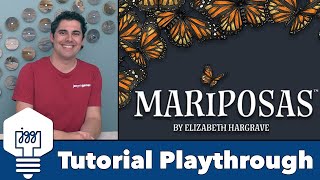

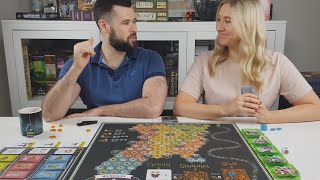

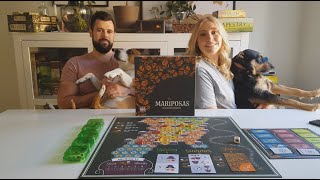





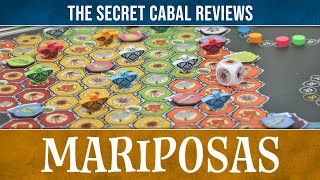

Mariposas Deep Dive
What the Community Thinks About Mariposas
Mariposas has earned genuine affection from the board game community, praised for striking a delicate balance between accessibility and meaningful decision-making. Reviewers consistently highlight the game as a serene, beautifully produced experience that welcomes newcomers while rewarding players who engage with its hidden depth. The migration theme resonates strongly, with reviewers appreciating how the mechanics authentically capture the life cycle and journey of monarch butterflies across North America.
Core Mechanics That Define Mariposas
Hand Management and Movement Cards
At its heart, Mariposas is a game about carefully managing two action cards in your hand each turn. These cards dictate how many spaces your butterflies can move and how many times they land. The tension emerges from deciding which butterflies to move, in what order, and whether to spread movement across multiple insects or concentrate it on one. This tight constraint on actions forces genuine choice, making each turn feel deliberate and weighty despite the game's outwardly simple presentation.
Flower Collection and Breeding
Players collect flower tokens as they move their butterflies across the board, then spend those tokens to breed new generations of monarchs. The breeding mechanic creates a satisfying engine-building loop where accumulating the right combination of flowers lets you produce increasingly valuable butterflies. Gen 1 becomes Gen 2, then Gen 3, finally Gen 4, with each generation requiring more resources but offering greater rewards. This progression ties directly into the game's core victory condition.
The Mariposas Experience
Serene and Relaxing
Reviewers consistently describe Mariposas as a calm, pleasant experience that eschews conflict and confrontation. There is no player interaction, no blocking, no take-that mechanics, only the quiet satisfaction of solving your own puzzle. This makes it exceptionally welcoming for couples, casual players, and anyone seeking a thoughtful rather than combative gaming experience. The gorgeous production, with its colorful hexagonal board and wooden butterfly tokens, enhances the meditative quality.
A Tactical Puzzle
While simple to teach, Mariposas demands substantial tactical thinking. Each turn presents genuine dilemmas: push northward to score seasonal objectives, or preserve resources and positioning for the final rush home to Mexico. Should you breed another butterfly now, or save flowers for later? Can you reach that city objective, or will it leave you too far from home? The analysis, reviewers note, can be surprising for such a light-looking game.
What Makes Mariposas Stand Out
Elegant Seasonal Goal Tension
The game's most distinctive feature is how seasonal objectives create push-pull tension. Spring, summer, and fall each present different scoring opportunities that incentivize pushing northward across the map. But every butterfly you leave far north must somehow return to Michoacan by the end of fall to maximize scoring. This creates a compelling risk-reward dynamic: chase the season cards and risk leaving yourself stranded, or play conservatively and miss high-value objectives. The tension between these competing goals distinguishes Mariposas from simpler family games.
Thematic Integration of Butterfly Generations
The game's designers, Elizabeth Hargrave, implemented scientific accuracy into the mechanics themselves. No single butterfly completes the full migration, just as no single monarch makes the round trip in nature. Instead, players breed new generations that travel further, with fourth-generation butterflies returning home representing the culmination of the journey. This thematic coherence, where mechanics embody real biology, gives the game a satisfying sense of purpose beyond mere victory points.
Potential Drawbacks
Analysis Paralysis Despite Simplicity
The tension of deciding between competing goals, combined with limited actions each turn, can trigger analysis paralysis. Players sometimes feel they don't have enough card draws to execute their plans, leading to extended turns as they calculate probabilities and optimal sequences. The paradox of a simple game with deep decision-making means new players can get stuck, even though the rule set itself is straightforward and teachable in minutes.
Lack of Player Interaction
Reviewers acknowledge that the complete absence of player interaction may feel hollow for some. Beyond competing for way stations (city locations) to draw bonus cards first, players are essentially playing parallel solo games. You cannot affect your opponent's butterflies, block their paths, or interfere with their strategies. This solitaire-like quality appeals to many but frustrates players seeking direct competition or social tension at the table.
If You Enjoy Mariposas
Consider Wingspan, Hargrave's earlier design, which shares a contemplative nature and beautiful production focused on nature themes. Ecos: First Continent offers similar environmental themes and accessible complexity. The Butterfly Garden provides a lighter, family-friendly alternative in the same thematic space. If you appreciate the tactical, puzzle-solving aspect without player conflict, Stefan Feld's design portfolio or Alexander Pfister's work might appeal. For those drawn to the serene solo-puzzle experience, Calico and Cascadia offer kindred spirits using different mechanisms.
What Reviewers Are Saying
"It's simple enough to teach your mother, which I actually did this last weekend, while having enough decision-making to leave experienced board gamers scratching their heads with analysis paralysis."
— Board Of It
"This whole concept of the butterflies not migrating north and then you're trying to migrate them back down south again to score victory points, the way the mechanics work together it really feels like that concept of these migratory paths that these butterflies would take, it's wonderful."
— The Secret Cabal Gaming Podcast
"Mariposas is a short, pleasant, simple yet surprisingly strategic game about migrating monarchs with a lot of dilemma and choice on how to play and what you should do from a game with an exceedingly simple mechanic."
— Board Of It