





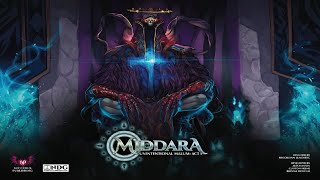
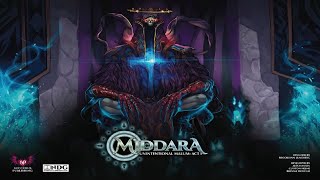

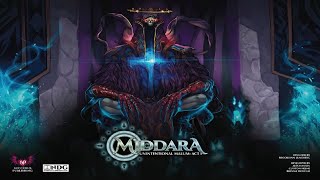
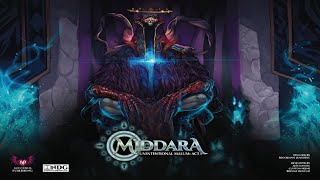
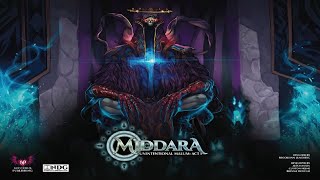
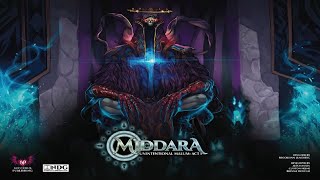
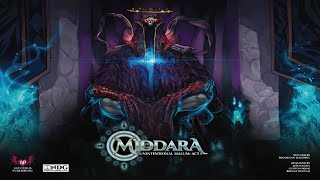
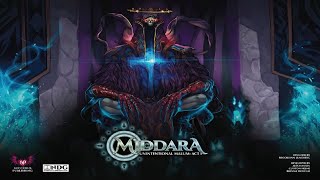
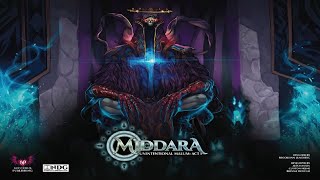
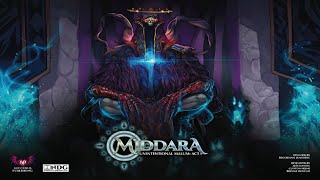
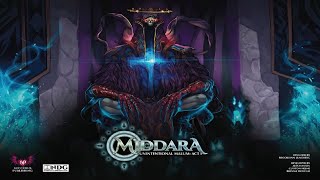
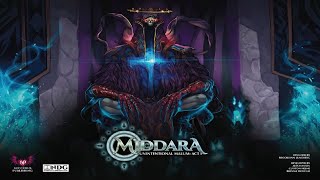
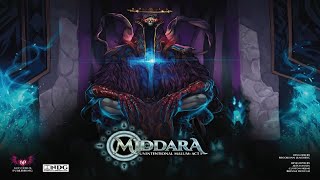
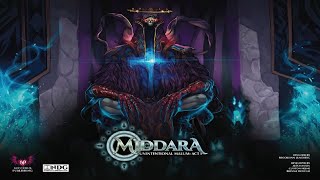
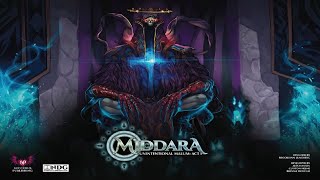
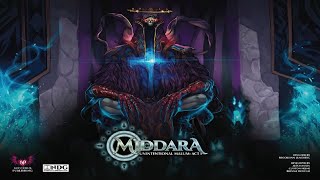
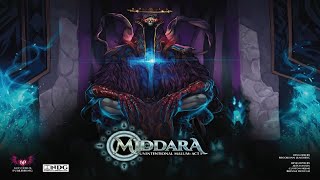
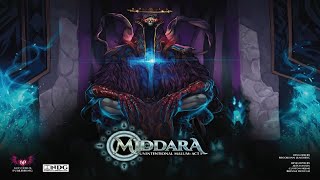
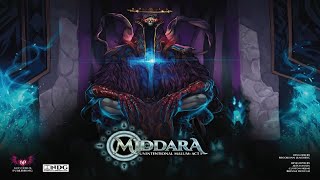
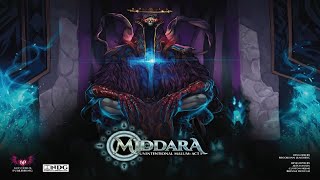
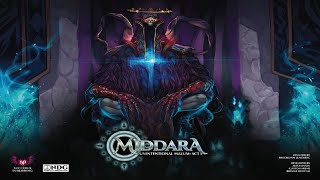
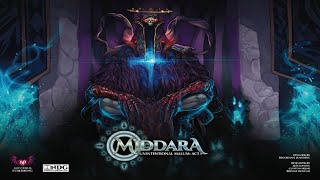
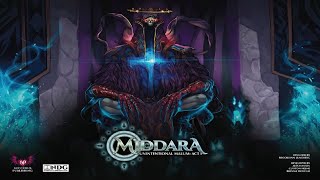
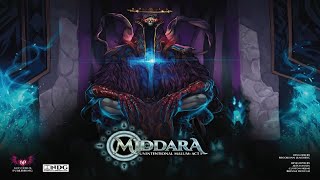
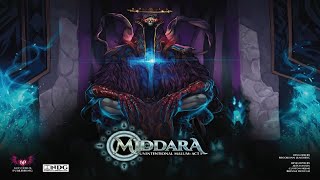
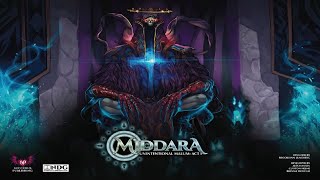
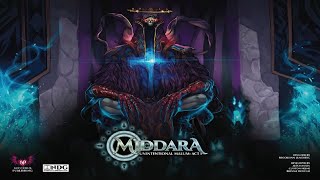
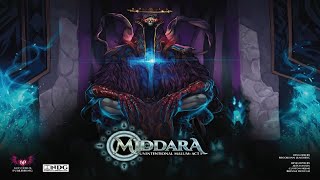



Middara: Unintentional Malum - Act 1 Deep Dive
What the Community Thinks About Middara
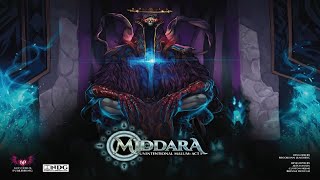
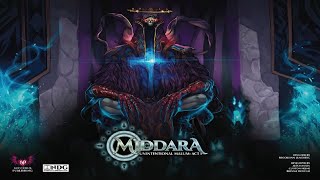
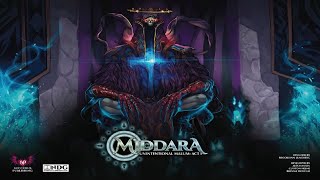
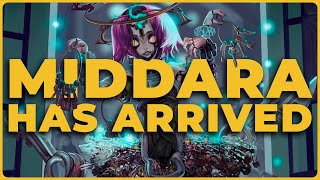
Middara: Unintentional Malum - Act 1 is a 1-4 player cooperative, choose-your-own-adventure style miniatures game first released in 2019. The party of adventurers moves through an ultra-modern fantasy setting that exists alongside Earth, and the story is delivered through numbered encounter text that the group reads aloud as it explores. Reviewers consistently measure the game against Gloomhaven, and several reached the same conclusion about where it sits in the genre.
The reviewer Robert, speaking on AzureDeath | Solo Board Gaming, called the game the best scripted campaign dungeon crawler reviewed on the channel to date. Robert said it replaces Gloomhaven, crediting Middara with stronger components, art, story, dungeon crawling, character customization, and mechanics. Robert added that if only one box could be kept, it would be Middara over the big box edition of Gloomhaven. That praise was tempered by a note that the game is a major commitment, with a first chapter estimated at 30 to 40 hours.
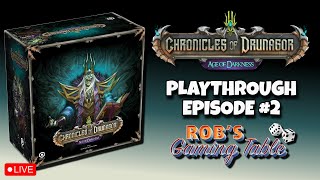
Board Games UnLocked covered the adventure in a series of filmed sessions with a full party, and the channel's play-throughs show a group that keeps finding new situations in the campaign. Its hosts repeatedly tested rules against the printed text, and their sessions gave a clear view of how the scenarios unfold turn by turn. Hungry Gamer approached the game from the unboxing side, reviewing the bounty packs and the miniatures that come with the box. Across these perspectives, the common view is that Middara rewards careful play and rewards a group that is willing to read its story closely.
Core Mechanics That Define Middara
Line of Sight and Sphere of Influence
Positioning is the center of combat in Middara. Board Games UnLocked checked whether a target sat within line of sight before committing to an attack, and a ranged attack only proceeds when the attacker can see its target. Abilities are also tied to a character's sphere of influence, which is measured in squares around that character. In one session the party confirmed that a flanking bonus applied from a starting position, which added a plus one to the attack roll. Break attacks add another layer, because a character who leaves a space next to an enemy can provoke a strike, so movement planning matters as much as the attack itself. Robert described these systems as the heart of the tactical play, but noted that the printed rules explain line of sight and sphere of influence thinly, which made some rulings harder to settle at the table.
Scenario and Campaign Structure
Middara is built as a campaign of linked scenarios rather than a single board to clear. Each encounter is read from the campaign book, and the outcome determines which loot, exits, and objective tokens come into play. Scenarios end when the party reaches a designated exit, and a blue exit ends the adventure in the reviewers' sessions. Robert described urgency tokens as a pressure mechanic that tightens the campaign: when four urgency tokens accumulate, the scenario is lost. Side quests add optional threads outside the main story, such as the Cave Sickle Extermination quest that Board Games UnLocked completed with a bug bomb objective. Bounties and monster loot give the party reasons to revisit the same enemies, since defeating a boss can grant a unique loot card drawn from a shuffled deck. Reviewers described this structure as a campaign that keeps its narrative and its tactical goals tied together from one scenario to the next.
The Middara Experience
Tactical Dice Rolling Under Pressure
The combat feels deliberate because every attack depends on the custom dice. Reviewers described white, purple, and black dice with skull, shield, book, and star symbols, and the outcome of a roll depends on which symbols land and how they stack. Board Games UnLocked often narrated the dice step by step, weighing whether to spend stamina to empower an attack, reroll, or save the point for movement. Stamina points are a constant resource decision, since the party can spend them to move further, exhaust an ability for an extra effect, or hold them back in case the next round goes badly. The result is combat that moves at the speed of careful calculation, with the occasional lucky roll drawing a cheer from the table.
A Narrative Party Adventure
The tone is shaped as much by the story as by the rolls. Reviewers reported that camp scenes and encounter text create a steady flow of banter among the party members, and that the group often discusses what each character would do before committing. Quackalope framed the scoring system as a second goal, with points awarded for finishing within a set number of rounds and for defeating enemies. Board Games UnLocked described the campaign as a shared story that the table invests in, with characters who take on personality from the way they are played. Reviewers noted that the game often pauses for a moment of reflection, which gives the adventure a pace that feels closer to a tabletop roleplaying session than a pure combat game.
What Makes Middara Stand Out
Components and Custom Dice
Reviewers singled out the production as a strength. Robert praised the UV spot components and the custom dice, considering them among the more memorable features of the box. Hungry Gamer weighed the trade-off between miniatures and standees, acknowledging the appeal of the figures while noting the time required to paint and store them. The bounty packs, including the Pit Boss and Cave Sickle Queen content, were presented as a way to expand the story without leaving the core box. Together these choices give the game a tactile quality that reviewers linked directly to the sense of a shared adventure.
Character Freedom and Initiative
Character building is a major draw. Robert explained that any character can take any class, with no restrictions, and that abilities from several classes can be combined with the loot a character carries. The four main protagonists are asymmetric, so each has strengths and weaknesses that shape how a player builds them. Initiative is drawn randomly from cards, a system Robert compared to Eon's End, which keeps each round fresh. Robert also compared the break attack structure to Mage Knight, noting that it rewards players who manage their movement around enemies rather than rushing into melee.
Potential Drawbacks
Rulebook Gaps and Table Overhead
The rulebook is the most frequent complaint. Robert described a roughly 100-page book with thin explanations of line of sight and sphere of influence, and a weak index that makes specific rulings hard to find mid-session. Board Games UnLocked hit this problem directly during play, when the group could not quickly locate the rule governing a particular effect in the book. Physical setup is also demanding. Robert noted that the game takes roughly an hour to pack and unpack, and that the table footprint is large. Reviewers recommended setting aside a dedicated space for the campaign.
Repetitive Enemies and Upkeep
Robert felt that the cave sickles, the game's baseline enemy, eventually overstayed their welcome, noting that they stayed interesting for most of the campaign, but that in the final dungeons the game kept throwing swarms of them at the party, leaving a wish for a wider range of enemy types. Solo play adds its own burden, since managing four characters takes a great deal of upkeep. Robert also warned that returning to the game after a long break requires a significant amount of time to relearn the rules, which makes the campaign a better fit for a group that can play regularly.
If You Enjoy Middara
- Gloomhaven: Reviewers treat Gloomhaven as the reference point for the scripted dungeon crawler, and Robert argued that Middara surpasses it in components, story, and character customization.
- Shadows of Brimstone: Robert placed this game in the same dungeon crawler category but described it as more procedural and less rules heavy, with an emergent narrative rather than a fixed campaign.
- Star Wars: Imperial Assault: Robert suggested this title for players who want a less complex miniatures experience, particularly those drawn to the Star Wars setting.
- Mage Knight: The break attack structure in Middara invites comparison with Mage Knight, which rewards careful movement and positioning in a similar way.
- Eon's End: The random initiative cards in Middara were compared directly to Eon's End, making it a natural next step for players who enjoy that structure.
- Kingdom Death: Monster: Quackalope contrasted Middara's campaign length with Kingdom Death: Monster, estimating a campaign of roughly 30 to 45 hours, a commitment that suits players who want a long and deeply branching story.
What Reviewers Are Saying
"this replaces Gloom Haven completely I don't think that I'll ever have any desire to play Gloom Haven except for nostalgic reasons"
— Robert, AzureDeath | Solo Board Gaming
"I'm always torn of between wanting standes and minis. I do like the minis, but finding the time to paint the minis and store the minis is always a challenge."
— Hungry Gamer
"I like that that there's monster loot. I think that's that's neat."
— Board Games UnLocked