















Nothing Personal Deep Dive
What the Community Thinks About Nothing Personal
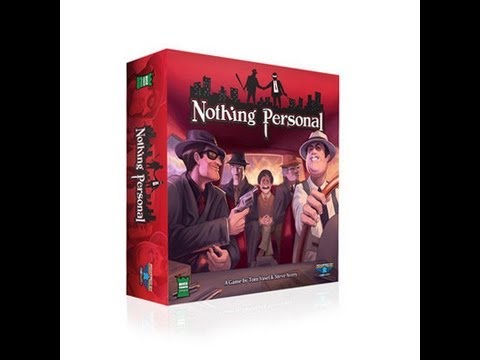
Nothing Personal is a 2013 mafia game for three to five players in which almost every move is a negotiation. Reviewers describe it as a mean, cutthroat table experience where a deal is only as safe as the next betrayal. Designers Tom Vasel and Steve Avery pitch it as a contest for influence over a crime family, where the winner is the player who earns the most respect. One reviewer ranks it at number nine on a top ten list of mean games and frames it as a title for people who enjoy negotiation with a sharp edge. Another calls it a favorite pure negotiation game because money keeps changing hands and deals keep being broken.
Reviews vary in enthusiasm, but they agree on the tone. A third reviewer, who goes by Scott the Frozen Gamer, rates it 7.0 and places it at number 37 on a personal list, while noting that it feels a little dated and runs kind of long. Drive Thru Games and The Dice Tower both connect the design back to Kremlin, the 1980s game that supplied its underlying structure before mobsters were added to it.
Core Mechanics That Define Nothing Personal
Players take on the role of a gangster family competing for control of the gangsters under its umbrella. Each player places influence on the gangsters, and whoever holds the most influence on a given gangster controls that gangster and gains its special ability. Those abilities can be harsh, from eliminating a rival's gangster to sending one to prison. Players move up through the ranks to claim better positions, and over five rounds the decisions that matter most come down to who controls the capo.
Influence as a Bargaining Chip
Because influence decides which gangster a player controls, it is always on the table. A player who needs one more point on a particular gangster has a reason to make an offer, and the other players have a reason to listen. Reviewers describe the moment when a deal looks safe as the moment to watch most closely, since the influence that secured the arrangement can be turned against the player who trusted it.
The Capo Decides
Control of the capo gives a player the decisions that matter to the family near the end of the game. That makes the capo the central prize, and it also makes every alliance temporary. A player who is close to the capo draws attention from everyone else at the table, which is one reason the game rewards patience over early aggression. Reviewers point to money as the tool that moves people, with blackmail and bribery as the means of closing a deal.
The Nothing Personal Experience
A Mean, Cutthroat Table
Not every reviewer treats the mean streak as a selling point. One reviewer says the game has pushed at least one player out of a regular group, and that the conflict at the table is the reason it stands out. That same reviewer recommends it for four or five players, which keeps the table tense without leaving anyone stuck in a long wait. Reviewers describe the game as one where the rules allow every player to act against every other player at any time, which can leave a player who is ahead feeling targeted and a player who is behind feeling pushed out.
Personal Stakes and Shifting Alliances
Because the game is short in rounds but dense in decisions, each round can change the balance of power quickly. A gangster that looked secure at the start of a round may be lost to a single move, and a player who spent heavily to build a position may find it taken before the next round begins. That volatility is part of the appeal for groups that enjoy tense endgames, and it is also the source of complaints about length and table fatigue that some reviewers raise. Reviewers who write about the game tend to agree that the first rounds are the time to watch and learn who can be trusted, since the stakes rise quickly once influence starts to concentrate.
What Makes Nothing Personal Stand Out
Negotiation as the Core System
Players who enjoy social deduction or other negotiation-heavy games will find familiar territory here. The difference is that Nothing Personal makes the negotiation itself the core system, rather than a side effect of hidden roles. That focus is the reason reviewers keep returning to it, and the reason it earns its reputation as one of the meaner tables in the hobby.
A Modernized Edition
The newer edition draws attention as well. One reviewer says the 2019 revision keeps the same negotiation engine and gives it a more polished mob theme. That reviewer also notes that deals are durable once made, so patience becomes the main weapon for a player who wants to avoid being the next target.
Potential Drawbacks
Table Fatigue and Hurt Feelings
The stakes are personal in a way that many table games avoid. Groups that agree on the mean, cutthroat tone before the first round tend to get the most out of it, while groups that expect a relaxed evening may find the same features frustrating. The reviewer who recommends four or five players also warns that the conflict can strain a regular group if everyone is not prepared for it.
A Dated, Lengthy Design
Scott the Frozen Gamer's assessment notes that the game feels a little dated and runs kind of long for what it delivers. Reviewers who raise this point are not objecting to the negotiation itself, but to the pacing once influence has settled and a session stretches past its ideal length.
If You Enjoy Nothing Personal
Nothing Personal suits groups that enjoy direct conflict and do not mind when a friend ends up on the wrong end of a deal. It is a poor fit for players who want a quiet, purely cooperative evening.
- Kremlin: the 1980s game that Drive Thru Games and The Dice Tower both cite as the structural basis Nothing Personal built its mob theme on top of.
What Reviewers Are Saying
"A mean nasty game in which you are a gangster family trying to take control of the gangsters and get the most respect."
— Board to Death TV
"Blackmail, bribery, crime, negotiations around abound, but only one can be the next mob boss."
— Scott the Frozen Gamer
"If you like very mean negotiation games, mess with your buddies, make them kiss the ring when you're the capo."
— Game Boy Geek