









Nyakuza Deep Dive
What the Community Thinks About Nyakuza
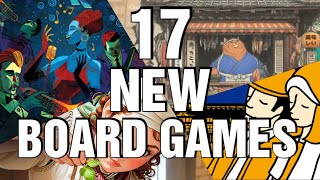
Reviewers treat Nyakuza as an underrated re-implementation of Reiner Knizia's Arango, with a cat-clan fishing theme that some find charming and others find distracting. Watch It Played presents it as a bidding and route-building race in which each clan tries to build its seafood stalls on the shore before its rivals. Board With Steve goes further and calls it one of the rare auction games that also works as a race, placing it ninth on a mid-year list of favorites. Chairman of the Board ranks the game first in two separate videos, but both reviews are clear that production problems hold it back. Board Game Animal offers the strongest endorsement, urging collectors of Knizia's work to pick it up even if they dislike the cat reskin. The consensus is that the gameplay is strong and the presentation is the main point of disagreement.
Core Mechanics That Define Nyakuza
Closed Economy
Board Game Animal names the closed economy as one of the features that makes Nyakuza distinctive, describing how money circulates around the table for the entire game. Cash used for bidding is placed onto the boats that build each stall, so the amount of money in play shrinks as the game progresses. Watch It Played explains the same effect from the rules side: the cash covering a finished stall never returns to a player's hand, which permanently reduces what that player can wager later. Chairman of the Board adds a second layer, since the winning bid goes into a shared pool that any player who bids nothing can collect on a later turn. The result is that spending and waiting both carry a cost, and every bid has to be weighed against the money left in reserve.
Blind Bidding for Turn Order and Boats
Each round, players secretly hold a number of cash tokens in a closed fist and reveal them at the same moment. The highest bidder takes the amulet, which marks the first player, and moves to the Wharf area while collecting three boats. The second highest bidder receives two boats, and every other player who bid at least one cash token receives a single boat. Watch It Played points out that ties go to the amulet holder and then proceed clockwise, which gives the first player a practical edge in close contests. Several reviewers also note the bluffing that the system invites, since players can pretend to add cash behind their screen before revealing an empty hand.
The Nyakuza Experience
Racing
The feeling of Nyakuza is closer to a sprint than a slow economic grind. Board With Steve describes the satisfaction of competing for specific spots because the first clan to finish its stalls wins outright. Chairman of the Board says the game plays in roughly 45 minutes, which keeps the pressure high from the first round onward. Board Game Animal focuses on the race to place every stall, and the tension comes from watching a rival connect a chain of boats that you were also hoping to use. Reviewers consistently describe the late game as the moment when a single bid or a single missed connection can decide the winner.
Interactive and Dynamic
Nothing on the board stays still for long. Board Game Animal calls the game really dynamic even at two players, which is unusual for an auction design, and credits the shifting tile layout for keeping each turn fresh. Chairman of the Board describes the value of the seafood spaces as changing with the needs of each player, so a location that looked worthless early can become critical by the middle of the game. The experience is less about solving a fixed puzzle and more about reacting to the moves your opponents just made. Players who enjoy a table where every bid reshapes the plan will feel at home here.
What Makes Nyakuza Stand Out
An Auction That Doubles as a Race
Board With Steve highlights that auction games rarely also function as races, and reviewers credit Nyakuza with doing both well. Winning a bid determines both who moves first and how many boats are placed, so the auction directly sets the pace of the race. Board Game Animal reinforces this by describing the game as a race to put out all of your stalls while making the best decisions possible around a changing board. The combination gives the game a clear goal that competes with the bidding for attention.
A Shifting Board Built on Random Draws
Chairman of the Board describes the game as bingo-style, with numbered tiles drawn from a bag and placed onto matching spaces each round. Because the layout changes continually, a player who speculates correctly about where things will appear gains a real advantage. Chairman of the Board compares this to Adventure Land, where players guess which spaces will open up, and to Chinatown, where certain plots gain or lose value as the game unfolds. Watch It Played adds that the chaining of boats across shore spaces makes each new tile matter, which keeps the puzzle engaging even after the rules are familiar.
Potential Drawbacks
Muted Player Colors
The most consistent criticism concerns the player markers. Chairman of the Board, speaking from the perspective of a color-blind reviewer, says the translucent markers are difficult to tell apart from one another, which matters because players must glance at the board to see which plots they control and which they still need. The reviewer calls this a huge missed opportunity and suggests that wooden components would have solved the problem. Watch It Played describes the token colors as a little tame on the board, making the same point in milder terms. Reviewers who mention this issue still enjoy the gameplay, but they note that the fix is a house rule or a third-party component.
Reskin and Component Quality
The cat-clan theme divides opinion. Chairman of the Board says the reskin is not to that reviewer's taste and that the little cardboard buildings feel cheap and chintzy, even though the artwork looks nice on the table. Board Game Animal admits a preference for the theme of the original Arango, yet finds the cat artwork charming and humorous, and recommends the game because the original is out of print. Those who want the classic Knizia theme may find this reskin a barrier, while others will see it as an entertaining presentation of the same underlying design.
If You Enjoy Nyakuza
Players who enjoy Nyakuza's blind bidding will find similar satisfaction in Arango, the original Knizia design that Nyakuza re-implements with a different theme. Players who like the way Nyakuza blends route building with speculation on randomly drawn tiles will recognize the feel of Havalandi, which Chairman of the Board names as a strong route-building comparison. Fans of the bingo-style tile reveal will also appreciate Chinatown, where certain plots become more or less valuable as the game moves on. For players who enjoy guessing which spaces will open up during play, Adventure Land offers a similar sense of speculation over a changing board.
What Reviewers Are Saying
"One of my favorite things about Nyakuza is that it all functions on a closed economy. You're watching that money move around the entire game, and as you place out your stalls you have to put money on the specific boats that were used to make those stalls, so the amount of money in the game is shrinking as the game goes on."
— Board Game Animal
"What's really interesting is you don't see many auction games that are also race games. And this game does it so so well. And I know it's a re-implementation, but I haven't really heard people talking about this one."
— Board With Steve
"Now, there's an additional thing you can do. When you bid nothing, you will collect all of the previously paid money from the pool and take it for yourself. So, it does have this constantly building incentive to bid nothing and take the cash, but of course, there's always new things popping up on the board that you want to grab before the other players, too."
— Chairman of the Board