/pic7069377.jpg)







Paperback Deep Dive
What the Community Thinks About Paperback
Paperback stands as a beloved bridge between word games and strategic deck-builders, earning consistent praise from board game reviewers and designers. The consensus is clear: this is a word game for people who love deck-building, and a deck-builder for people who appreciate language. Reviewers consistently highlight Paperback as one of the few modern word games that transcends traditional spelling competitions, delivering genuine strategic depth alongside the satisfaction of crafting longer and more impressive words.
Core Mechanics That Define Paperback
Deck Building with Letter Cards
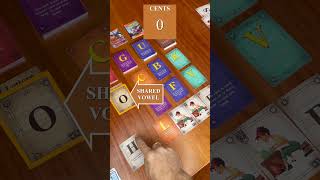
At its heart, Paperback uses deck-building as its primary engine. Each player begins with a small identical deck of basic letter cards and draws five cards per turn to form words. The critical innovation is that player agency drives deck composition. Rather than receiving random letter distributions, players earn coins through the words they spell and use those coins to purchase new letter cards from a shared market, adding them to their decks. This creates a natural progression where early turns yield simple words and modest coin gains, but strategic card purchases compound into increasingly powerful hands. Some cards feature special abilities, multi-letter combinations, or wild letter flexibility, creating layers of tactical choice about which letters to prioritize.
Word-Based Scoring and Tempo
The game measures success through the length and complexity of words spelled. Longer words and less common letters generate more coins, creating a natural push-pull dynamic: spend coins now on powerful letters to spell bigger words later, or hoard cheaper cards for incremental deck growth. Players navigate this tension every turn, knowing that the words available depend entirely on the cards they drew and the letters they previously purchased. Reviewers consistently note this rhythm as engaging and challenging, requiring constant mental engagement rather than the passive card-drawing that can plague some deck-builders.
The Paperback Experience
The Satisfying Payoff of Constructing Impressive Words
Reviewers repeatedly describe the feeling of pulling off longer, higher-value words as one of Paperback's greatest strengths. Unlike Scrabble, where vocabulary alone determines success, Paperback rewards the strategic layers underneath. Players feel genuine accomplishment when months of purchasing the right letters finally coalesce into a powerful word. The game makes spelling feel less like memorized trivia and more like executing a plan. One reviewer noted that Paperback succeeds where other spelling games fail: it makes the word-making process fun through its deck-building layer, turning what could be tedious into something satisfying.
Competitive Tension and Cutthroat Play
Paperback generates substantial table tension despite having no direct take-that mechanics. The shared letter market creates implicit competition. Every letter one player buys is unavailable to others, forcing reactive decisions about deck composition. Reviewers emphasize the intensity of early-game decisions, where players must rapidly assess which letters will pay dividends and which are dead weight. The game works best with two players due to downtime considerations, as players spend thinking time crafting words while others wait, but this same depth is what makes the game compelling for those who appreciate strategic word games.
What Makes Paperback Stand Out
Elevating Spelling Beyond Vocabulary Tests
The defining feature reviewers highlight is Paperback's solution to a fundamental problem: spelling games often feel like vocabulary competitions where superior word knowledge determines winners. Paperback breaks this pattern by adding deck-building strategy. A player without an encyclopedic vocabulary can compete through smart letter selection and card purchases. Special ability cards, multi-letter cards, and wild options mean the longest word is not always the best play. This mechanical layer gives players tactical levers beyond just knowing words, making the game accessible and strategic simultaneously.
Replayability Through Deck Crafting Decisions
Each game of Paperback generates a different market of available letters, and each player's early decisions cascade into distinct deck identities. One player might prioritize high-value consonant combinations while another pursues flexible letters and wild cards. Reviewers note the game invites experimentation with different letter combinations and card timing strategies, giving every playthrough a unique flavor based on what letters appeared in the market and which purchases each player prioritized.
Potential Drawbacks
Downtime and Competitive Table Dynamics
Reviewers note that Paperback slows considerably with more players as everyone waits for turn-takers to craft their words. The game works smoothest with two players and becomes taxing with four or five. Additionally, the cutthroat nature of competitive word games can wear on casual players. Aggressive letter-blocking and shared market competition create tension that not every table enjoys, particularly with players who prefer collaborative or lighter games.
The Spelling Skill Ceiling
While Paperback reduces reliance on vocabulary, spelling ability still matters. Players without strong spelling intuition may struggle to see available words, creating frustration independent of strategy. One reviewer, a former writer and journalist, noted that despite professional writing experience, they were terrible at spelling during the game. For some players, this can overshadow the deck-building satisfaction, turning the word-finding phase from engaging to stressful.
If You Enjoy Paperback
Fans of Paperback often gravitate toward Hardback, Tim Fowers' more recent deck-builder with a similar word-game foundation that some reviewers prefer for its additional combo potential and refined mechanics. Those who love the strategic card purchasing may enjoy other medium-weight deck-builders like Dominion. For word-game enthusiasts seeking lighter alternatives, Scrabble remains the obvious comparison point, though Paperback consistently draws favorable reviews against it. The game also pairs well with fans of Quiddler and other card-based word games that emphasize hand management alongside vocabulary.
What Reviewers Are Saying
"Paperback is basically a Scrabble killer. It's a deck-building game where you utilize a hand of letter cards to create words and those words generate money based on the length and complexity of the word and you use that to purchase other letter cards that you then add to your deck. The fact that you get to choose which letters you add to your deck rather than just get random ones is what elevates paperback above other games in this genre."
— Totally Tabled
"Paperback is a word game that has you creating words with letter cards. It's like if Scrabble and Dominion had a baby together and that baby disowned Scrabble because it didn't like its obsession with obscure two-letter words. I really like that it rewards longer more impressive words and it feels really satisfying when you pull one off even though you only start by drawing five cards."
— Actualol
"Paperback works really well because you're not limited to only the letters in front of you but the deck building aspect makes it fun by adding in that element where I'm selecting the letters that I want and some of them have special abilities on them so I don't necessarily need to have the longest word. There's cards in there that add flexibility so you can sort of put in some wild cards that can be any letter."
— Rolls in the Family