/pic6974604.jpg)



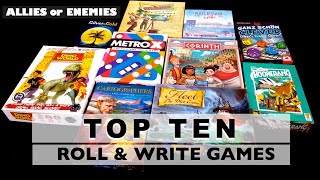





















Silver & Gold Deep Dive
What the Community Thinks About Silver & Gold
Silver & Gold has captured the attention of board game reviewers across multiple channels, consistently praised for its elegant simplicity and accessibility. From casual players to dedicated gaming enthusiasts, reviewers highlight this Phil Walker-Harding design as a standout among flip-and-fill games that deserve far more recognition than it receives. The game appeals to players who value quick rules teaching, meaningful decisions within compact gameplay, and the satisfying mechanic of writing directly on card components.
Core Mechanics That Define Silver & Gold
Silver & Gold operates on a deceptively simple flip-and-write system where players turn over cards displaying Tetris-like polyomino shapes and write on their island cards with dry-erase markers. Each player receives two active island cards from a central layout, selecting which of their maps to fill as new shapes appear. The core mechanic involves completing treasure maps to score points while managing limited space on each card.
Polyomino Placement and Set Collection
The polyomino shapes provide the primary strategic element of the game. Players must decide which island map to prioritize with each newly revealed shape, knowing that shapes cannot be repeated in precise ways once placed. The accompanying bonus markers, palm trees that grant additional points and X-symbols that allow free placement in either map, create secondary scoring paths that reward planning. Reviewers appreciate how each completed map provides points immediately, with larger bonuses scaling across completed islands.
Simultaneous Play and Shared Information
Silver & Gold eliminates downtime through simultaneous play where all participants respond to each card flip in real-time. Every player marks their islands at the same moment, creating a shared experience despite individual island layouts. This transparency removes hidden information mechanics that might complicate teaching or create player elimination concerns.
The Silver & Gold Experience
The experience emphasizes accessibility and enjoyment for households, families, and experienced gamers alike. Reviewers stress that teaching this game takes mere moments, no rules lawyer needed. The physical act of writing on cards becomes a tactile pleasure rather than a component to avoid, distinguishing Silver & Gold from traditional roll-and-write games.
Quick Play and Table Presence
The 20-minute playtime makes Silver & Gold a perfect quick game to pull out with no lengthy setup or teardown. The small box footprint, minimal component count, and straightforward scoring mean games end and satisfy before game fatigue sets in. Multiple reviewers note pulling this game out repeatedly as an introductory experience or palette cleanser between heavier titles.
Theme and Narrative Arc
The treasure-hunting theme grounds the mechanics in immediate comprehension. Players race to complete treasure maps on distant islands while collecting bonuses that enhance their scoring. This narrative simplicity mirrors the mechanical elegance, neither demands cognitive overhead, yet both provide genuine satisfaction when a well-executed map completion delivers bonus points.
What Makes Silver & Gold Stand Out
Silver & Gold occupies a unique design space among contemporary family games. The marker-on-card innovation felt revolutionary to reviewers encountering it, no one else had attempted this particular combination before Phil Walker-Harding executed it, and its success raises questions why the design hadn't appeared sooner.
Innovative Component Use and Dry-Erase Writing
Writing directly on double-sided island cards with provided dry-erase markers eliminates shuffle complexity and creates a reusable experience. This physical interaction, the scratch of marker on laminate, the visible marks accumulating into completed patterns, offers tactile feedback absent from pencil-and-paper alternatives. Reviewers specifically celebrate this innovation as both practical and delightful.
Portability and Accessibility
The game's transportable footprint makes it genuinely portable for travel kits, restaurants, patios, and beach trips. One reviewer specifically praised taking it to the Oregon coast in extreme heat and playing on coolers under the sun. The accessibility extends beyond physical portability: children grasp the rules, parents teach confidently, and experienced gamers find sufficient decision-making depth despite surface simplicity.
Potential Drawbacks
While reviewers overwhelmingly praised Silver & Gold, some caveats emerged. Players who dislike marking components, those uncomfortable with permanent-looking marks on game materials, might hesitate despite the erasability. The 20-minute timeframe, while ideal for casual play, may leave players seeking extended engagement looking elsewhere for depth.
Component Philosophy and Marker Permanence
The dry-erase markers, though functional, do leave residue that accumulates over many plays. Some players expressed mild concern about long-term component durability, though reviewers noted the game remains affordable enough to acquire multiple copies if needed. This represents a philosophical choice, embracing marks as part of gameplay rather than treating components as pristine objects.
Limited Depth for Experienced Gamers
Experienced gamers evaluating Silver & Gold acknowledge the strategic ceiling remains modest. Reviewers focused on replayability note that while different island combinations exist, the core decision space stays contained. This doesn't diminish the game's value for its intended audience but clarifies its positioning as introductory rather than complex.
If You Enjoy Silver & Gold
Players who appreciate Silver & Gold should explore Patchwork for deeper two-player polyomino placement, Cartographers for expanded flip-and-write scope, and Welcome To for simultaneous neighborhood-building with meaningful bonus interactions. The accessible design philosophy connects it to Phil Walker-Harding's other titles, which prioritize clarity and satisfaction over mechanical complexity. Those drawn to family-weight games featuring writing mechanics or treasuring island-building themes will find natural progression paths within the hobby.
What Reviewers Are Saying
"I don't think this gets enough attention anymore it was big at one point it's this really cool thing where you get these Island cards and then there's cards that show different shapes that are going to be revealed and then everyone simultaneously actually gets to write on their card with these dry erase markers so you know you get that L shape you go okay well I'll cancel off these like that and you're trying to mark off all the locations on your Island in order to score it."
— Totally Tabled
"It feels like a compact version of a lot of his other type of games because it has a classic mechanic of taking polyomino placing it on something and getting things that you cover it's so simple but it has like a really small box to it it really is a small box yeah the theme is fun too because you're just treasure hunting essentially and yeah this is a game that we continuously pull out as like a great introductory."
— Kovray
"Silver and gold is one of the most really inventive roll and writes that there is and again it's not actually rolling right it's a flipping right but it's really creative because it's just it's a deck of cards and you're writing right on the cards and so each one of the cards represents an island and you've got two islands at a time."
— Allies or Enemies