/pic5934281.jpg)


















Steam Up: A Feast of Dim Sum Deep Dive
What the Community Thinks About Steam Up: A Feast of Dim Sum
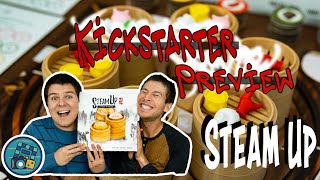
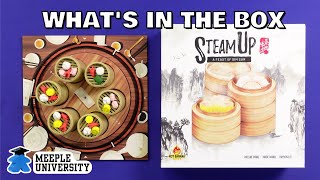
Steam Up: A Feast of Dim Sum, published by Hot Banana Games, immediately impressed reviewers across many channels on release. The game pairs elegant, accessible mechanisms with a theme that celebrates the joy of sharing dim sum with friends and family. Meeple University and Our Family Plays Games lavished praise on the charm and presentation, Before You Play walked through its tidy set collection, and The Board Gaming Doctor raised pointed questions about strategic depth. The prevailing sentiment is delight in the experience, even as a few wonder whether the mechanical substance fully matches the beautiful production.
Core Mechanics That Define Steam Up: A Feast of Dim Sum
Action Selection and Token Economy
The heart of Steam Up lies in a streamlined action system. Each turn, players choose two different actions from a small pool: draw a food token, draw a fortune card, play a fortune card, discard cards to gain an extra token, or purchase a steamer. The restriction that no action can repeat forces meaningful trade-offs, and reviewers noted that the abundance of available actions paradoxically constrains decisions in satisfying ways. The token economy feeds the most rewarding action: purchasing a steamer of dim sum from the central display. Players collect matching tokens to claim a steamer into their feast zone, then immediately score based on the dim sum inside.
Variable Player Powers and Asymmetric Abilities
A defining mechanic is the set of asymmetric player boards, each representing a different animal from the Chinese zodiac. One character can swap a dim sum from a purchased steamer with one on the central turntable, another gains bonus points based on how full its steamers are, and a food blogger rewards completed columns of dim sum. These differences are not cosmetic; they fundamentally shape how each player approaches scoring. The swap-focused power seeks flexibility, the loyal-customer power hunts larger steamers, and the blogger pursues set completion, so the same turn can feel entirely different depending on who is playing it.
The Steam Up: A Feast of Dim Sum Experience
Table Presence and Component Appeal
Reviewers universally praised the tactile and visual appeal of Steam Up. The deluxe edition features squishy dim sum pieces with a rubbery texture, creating a sensory experience beyond typical tokens. The rotating turntable transforms the table into a living space where players physically move the game world, and the stacked steamer baskets read instantly as dim sum dining. Our Family Plays Games found the cute factor off the charts. The aesthetic cohesion runs deep, with the score track even nodding to lucky numbers from Chinese culture, signaling genuine thoughtfulness rather than surface theming.
Accessibility and Scalability Across Player Counts
Steam Up accommodates a range of player counts with smooth scaling. The feast zones and the steamer display adjust to the number of players, and reviewers found it accessible for newcomers yet engaging for experienced players. The turn structure stays clear: take two different actions, resolve any fortune effects, and pass. Each action icon is intuitive, so the game teaches quickly. The rotating turntable periodically changes which steamers sit in your feast zone, adding a dynamic spatial element that keeps the game from feeling static, particularly at higher player counts where positioning matters more.
What Makes Steam Up: A Feast of Dim Sum Stand Out
Thematic Integration and Cultural Detail
The incorporation of cultural elements goes deeper than decoration. Each zodiac animal pairs with an occupation, from the food blogger to the gambler to the grandpa, and the rulebook includes short cultural notes on traditions like the meaning of certain numbers. The dim sum variety itself, from barbecue pork buns to shrimp dumplings, sticky rice, and phoenix claws, represents genuine dim sum culture rather than invented filler. This grounding strengthens immersion, so players feel they are sharing a recognizable meal rather than performing a generic set collection exercise.
The Fortune Card System as Catch-Up and Tension
After the opening round, a fortune card is revealed each round and affects all players at once. These cards introduce randomness while also providing catch-up: a trailing player may benefit from free tokens, while a leader sees the same card as a slowdown. Rather than pure luck deciding outcomes, the fortune cards shift the game state in ways that keep everyone competitive. Reviewers appreciated that the randomness felt thematic, capturing the unpredictability of a bustling restaurant, while leaving enough agency that good decisions still mattered. The fortune deck also helps mark one of the game-ending conditions.
Potential Drawbacks
Randomness and Perceived Lack of Strategic Depth
Not every reviewer was convinced of Steam Up's long-term staying power. The Board Gaming Doctor noted that some feel it lacks meaningful strategy and may be unbalanced across its cards and player powers. The randomness of fortune cards and the occasional dice-driven ability can overwhelm planning. The concern is that with several actions possible and only two chosen per turn, constraints exist, but constraints alone do not guarantee strategic richness if many paths feel equally valid on a given turn.
Power Balance and Clarity at Larger Tables
At higher player counts, the turntable rotations can make it harder to track which steamers sit in your feast zone, and several rotations in sequence can tip pleasant tension into mild chaos. Because some powers are purely beneficial while others are contextual, the perceived strength of a character varies with the table state. A swap-focused player who never finds a steamer worth adjusting can feel weaker than one blessed by circumstance, even though the ability itself is elegant. The issue is less the design than how variance in the game state makes certain powers shine or fade.
If You Enjoy Steam Up: A Feast of Dim Sum
Reviewers who loved Steam Up recommend it alongside several comparable titles. Flamecraft shares the gateway-friendly weight and colorful aesthetic, though it focuses on dragons visiting shops rather than dim sum dining. Dog Park similarly prioritizes inviting table presence and asymmetric characters over heavy strategy. Takenoko offers a comparable blend of family-weight accessibility with component charm. Those seeking more strategic bite while keeping the set collection and variable powers might explore Sushi Go Party, which channels a similar food-sharing joy with a sharper drafting core.
What Reviewers Are Saying
"The cute factor is just off the charts. You've got these squishy dim sum pieces, little steamer baskets, and adorable animal characters with different occupations."
— Our Family Plays Games
"This one is published by Hot Banana Games, and it's centered around dim sum, which is a Chinese delicacy. In this game we're trying to get the most amount of points by purchasing dim sum from the table."
— Before You Play
"There are 12 different player boards representing the Chinese zodiac, with different abilities and different scoring mechanisms, so you have 12 different player boards, asymmetrical I should say. That's amazing."
— Meeple University