



































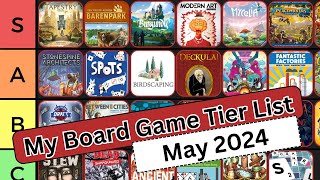


Stonespine Architects Deep Dive
What the Community Thinks About Stonespine Architects
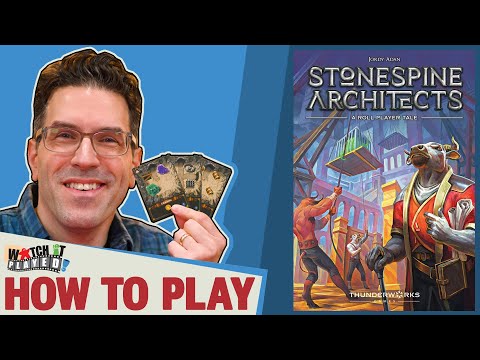
Stonespine Architects, a dungeon-building card-drafting game from Pandasaurus Games, has captured the attention of the board game community. Players act as minotaur architects competing to construct the most dangerous labyrinth through simultaneous drafting and tableau building over four rounds. Reviewers consistently highlight how the game delivers on both accessibility and depth: the closed-drafting mechanic creates meaningful decisions without overwhelming new players, while the multiple scoring pathways provide strong replayability. Reviewers note that the game's appearance might suggest more complexity than it actually contains, but once players engage with the decision space, particularly around drafting and the market phase, its appeal becomes apparent. Hate-drafting emerges naturally after the first play, turning subsequent games into richer experiences, and the solo variant works smoothly.
Core Mechanics That Define Stonespine Architects
Closed Drafting and Simultaneous Actions
The heart of Stonespine Architects lies in its closed drafting system. Each player draws a hand of cards, picks one to place in their dungeon, then passes the rest. This simultaneous action repeats until the current row fills. Unlike Sushi Go or 7 Wonders, where you chase obvious tokens, Stonespine Architects forces you to evaluate cards through the lens of your personal goals: which cards serve your blueprint demands, which ones prevent opponents from achieving theirs, and whether to give up gold value to secure specific pieces. The direction of the pass alternates each round, adding a layer of prediction to the process. Pandasaurus Games keeps the loop tight, so every pass carries weight.
Gold and the Market Phase
Between rounds, players calculate gold from the cards they have drafted, adding bonus gold for treasure chests already in their dungeon. This currency becomes the mechanism for purchasing enhancements from the market (traps, monsters, treasures, and secret passages) or securing public scoring objectives. The critical twist is that unspent gold vanishes at round's end. This forces urgent decisions: do you buy that beautiful trap now, or pass and claim a scoring condition first? The player with the most gold acts first at the market, creating a risk-reward tension. Chase high-gold cards and you lead market rounds; draft carefully and you might secure better objectives.
The Stonespine Architects Experience
Tableau Building with Real Constraints
Your dungeon is a grid with an entrance and exit. Cards feature doors and paths that must connect, though dead ends are allowed. The blueprint card you receive at setup demands specific elements in specific positions, and meeting all of its demands yields a large bonus. Reviewers note the satisfaction of watching dungeons grow organically across four years of play. Some chambers are stone, others cave, and completing clusters of the same type can trigger special scoring. This tableau-building creates visual progression and makes replays feel fresh, since each blueprint is unique.
Multiple Win Conditions and Paths to Victory
Stonespine Architects offers several distinct scoring categories: priority track bonuses, the public goal card, personal challenge cards earned during play, chamber reputation, blueprint fulfillment, and connection scoring for chambers linked to the entrance or exit. This abundance of scoring vectors means every player charts a different course. You might focus on collecting unique traps to maximize a challenge card while your neighbor pursues blueprint completion. Reviewers highlight how this prevents the game from feeling scripted: even with the same blueprint, different hands and market offerings produce entirely different games.
What Makes Stonespine Architects Stand Out
Elegant Accessibility Without Sacrificing Depth
The game sits at a sweet spot for complexity. The rules themselves are straightforward, since you pick a card, place it, count coins, buy tokens, and score points. But the decision space is vast. Reviewers compare it favorably to It's a Wonderful World and Role Player, noting it offers strategic depth that rewards repeated play without punishing newcomers. After one game, players understand the loop. By the third, they are anticipating opponent moves, hate-drafting intentionally, and calculating the probability of card availability. One reviewer described it as offering surprising strategic weight through interaction and information asymmetry despite its light footprint.
Replayability Through Modular Components
The game includes a Shrines and Fountains mini-expansion that adds chamber types acting as both stone and cave, plus special abilities like moving a token between chambers or swapping two cards. Reviewers note this mitigation tool addresses occasional frustration from earlier plays where a perfect card arrives too late. Beyond that, the shuffled blueprint cards, randomized markets, and variable challenge cards ensure no two games feel alike. Solo play works through a simple opponent that prioritizes certain icons each round and scores differently than human players.
Potential Drawbacks
Analysis Paralysis in Drafting
The closed drafting mechanic, while elegant, can slow early rounds. When players are learning blueprint synergies and evaluating multiple paths to victory, deciding which card to pass becomes deliberate. Reviewers who played with groups new to modern board games noted turns occasionally stalling as players calculated optimal moves. Playing with experienced groups or using a soft timer mitigates this, and once players internalize the decision space, the game flows at a brisk hour or so.
Solo Victory Difficulty Variation
Solo players face an automated opponent with a base reputation score and card preferences. One reviewer noted they rarely win, attributing losses to the opponent's generous starting reputation plus the asymmetry of how it scores. This is not a flaw so much as a source of challenge, but players seeking a perfectly balanced solo experience may find occasional runs feel tilted. The manual offers variant difficulties, but some may wish for clearer tuning from the outset.
If You Enjoy Stonespine Architects
You should explore Cartographers for its roll-and-write spatial scoring, Sushi Go and 7 Wonders for the drafting lineage, and It's a Wonderful World for tableau building with market timing. Role Player offers another multi-round creation puzzle, and for negotiation-flavored card play, Modern Art rewards reading the table much as Stonespine's market phase does.
What Reviewers Are Saying
"This game quickly shot up into one of my top games of 2024. I've played it quite a bit on Board Game Arena with a couple of friends, pretty regularly actually, and I'm really impressed with how well it plays both solo and multiplayer."
— Where There's A Wilz, There's a Play
"I really like the disgrace cards. When you're doing the disgrace cards, you're essentially bidding to not have to take that card. The first person to pass gets the disgrace card but they get their money back, while everyone who bid loses their money. It's a game of chicken."
— All You Can Board
"I've been really enjoying this and everyone that I've been playing with really enjoys it too. The complexity really comes from all the different possible ways you can score, but after having played it a couple times, those things become second nature. It's a drafting game that comes down to decisions about which cards you need most and what are the chances they'll come back to you."
— All You Can Board