/pic5763423.png)
Game Info
Year
2020
Collection
Ratings
Creator Score
Mechanic profile
Percentile rank vs. all games
Vibe profile
Not enough video data yet
Description
In TOKYO TSUKIJI MARKET, players run a fishing company. Through the purchase of fishing licenses, they may take fishing actions to fish and put their catch for sale at a price they choose, which other players may purchase on their turn.
The core gameplay centers on an open player-driven economy, with central markets that have limited resources, trading, and unique rules. Each game uses only a fraction of the included game markets, adding endless replayability.
There are two types of currency in the game: yen and resource score. Resource score is equal to yen, with the exception that the player with the most resource at game end receives a yen bonus from the bank, and the player with the least must pay the bank a penalty.
Featured Videos

Rules Teach

How to play Tsukiji Market
Ask a Rules Question
All mentions
Browse transcript mentions, sentiments, pros/cons, mechanics, topics, quotes, and references.
Total mentions: 4
This page: 4
Sentiment:
pos 2 ·
mix 1 ·
neu 1 ·
neg 0
Showing 1–4 of 4
Video D0KC2JscFqg
JestaThaRogue Rules Teach at 0:00 sentiment: neutral
video_pk 40444 · mention_pk 151284

Click to watch at 0:00 · YouTube ↗
Overall sentiment (raw)
neutral
Pros
- Clear, approachable setup that fits into a typical game night and finishes in about 20 minutes, making it accessible for a wide audience.
- Bidding with a physical weight mechanic creates tactile tension and a visual cue for players to gauge risk, which is engaging and memorable.
- Color-coded fish piles and set bonuses deliver strategic depth without overwhelming new players with complexity.
- Thematic flavor is strong; the market bidding concept is easy to grasp and translates well into the abstract mechanics.
- Multiple layers of decision-making (bidding, weight positioning, color-set bonuses) provide a satisfying sense of momentum as the game progresses.
Cons
- Two-player limitation inherently excludes larger groups who want social play with more participants.
- The interaction can feel table-stable, with the primary competitive tension concentrated in a single mechanic (the weight card), which may underwhelm players seeking broader negotiation dynamics.
Thematic elements
- auction bidding for seafood in a traditional market setting, capturing tension between two bidders and the strategic management of resources
- Sukiji Market, Japan (fish market context) with a playful, tabletop simulation of bidding and trading seafood
- instructional/tutorial with a light, game-flavored narrative that teaches players how to bid, move the weight, and score
Comparison games
none
Mechanics (from transcript analysis)
- Auction / Bidding — Two players simultaneously bid on two fish cards using a discrete bid signal (represented by finger gestures or a declared bid) and compare values; the higher bid wins the fish card and moves the shared weight card toward the opponent by the bid difference, creating a tactile and emotional tug-of-war that underpins scoring and control.
- bidding — Two players simultaneously bid on two fish cards using a discrete bid signal (represented by finger gestures or a declared bid) and compare values; the higher bid wins the fish card and moves the shared weight card toward the opponent by the bid difference, creating a tactile and emotional tug-of-war that underpins scoring and control.
- color_pile_stacking — When a fish card is won, players stack it into color-coded piles (up to four piles). The orientation and color of the piles influence which bonuses and actions are available, and the color order helps players plan future acquisitions and deny opportunities to the opponent.
- Compound Scoring — At the end of the game, players total the values of their collected fish by color; any color set containing two wasabi symbols doubles that color’s points. Additionally, players earn two points for each step the scale (weight card) is toward them, which creates a continuous trade-off between pushing toward your own side and defending delicate color-managed bonuses. The combination of color-based bonuses and positional scoring yields a nuanced scoring economy.
- deck_management_and_end_condition — The fish deck is shuffled and replenished from the discard pile when it runs out, keeping a steady cycle of draws. The game ends when the deck is depleted for the second time, or if a player achieves the four fast knife icons, creating a tension-driven end condition that rewards efficient or aggressive play. This mechanic also forces players to manage risk as the game progresses.
- End Game Bonuses — In addition to the standard end condition, there is a friendlier variant (the 'happy fish' variant) that moves the balance of risk by adjusting how bonuses are awarded as you approach setup end, providing a different pacing and learning curve for new players.
- end_game_tension_and_variants — In addition to the standard end condition, there is a friendlier variant (the 'happy fish' variant) that moves the balance of risk by adjusting how bonuses are awarded as you approach setup end, providing a different pacing and learning curve for new players.
- Melding and Splaying — When a fish card is won, players stack it into color-coded piles (up to four piles). The orientation and color of the piles influence which bonuses and actions are available, and the color order helps players plan future acquisitions and deny opportunities to the opponent.
- scoring_and_bonus_multipliers — At the end of the game, players total the values of their collected fish by color; any color set containing two wasabi symbols doubles that color’s points. Additionally, players earn two points for each step the scale (weight card) is toward them, which creates a continuous trade-off between pushing toward your own side and defending delicate color-managed bonuses. The combination of color-based bonuses and positional scoring yields a nuanced scoring economy.
- Set Collection — Collecting specific color sets unlocks immediate effects: three green fish draw the top card from the deck into your tableau; four blue fish let you steal an opponent’s card; three orange fish discard one of the opponent’s cards; and three pink fish move the weight card one step toward the taker. These bonuses add strategic depth by creating incentives to pursue color goals beyond raw fish value.
- set_collection_and_bonuses — Collecting specific color sets unlocks immediate effects: three green fish draw the top card from the deck into your tableau; four blue fish let you steal an opponent’s card; three orange fish discard one of the opponent’s cards; and three pink fish move the weight card one step toward the taker. These bonuses add strategic depth by creating incentives to pursue color goals beyond raw fish value.
- special_actions_and_scales — The scales show special actions unlocked by collecting color sets, introducing additional in-game decisions. For example, achieving three green can trigger an extra draw, while other colors grant theft, discard, or weight-shift actions. This layer adds depth to tactical planning and can create dramatic swings late in the game.
- weight_card_mechanic — A central weight card starts on the night side and can be moved toward the opponent or toward yourself depending on bid differences and tie outcomes. The weight card’s position (night/day/middle) drives tie resolution, potential steals at ends of turns, and eventually the endgame sequencing, making it a core driver of pacing and strategic decisions.
Video topics + discussion points
No key topics recorded for this video.
Quotes (from this video)
- This is a game for two players, plays in about 20 minutes, is designed by Emanuel Barano, and is published by Mato.
- Players are chefs bidding for fish in Japan's iconic Sukiji Market.
- And that's how you play Sukiji Market.
- For a friendlier game, try the happy fish variant.
References (from this video)
No references stored for this video.
Video nVZv8Au-PkA
The Dice Tower Review at 8:36 sentiment: positive
video_pk 37139 · mention_pk 249162
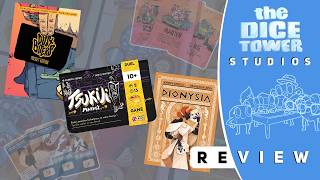
Click to watch at 8:36 · YouTube ↗
Overall sentiment (raw)
positive
Pros
- compact wallet-sized package with substantial variety
- dynamic bidding and back-and-forth interaction
- clever use of dicey double scoring with wasabi
- beautiful thematic look and engaging table presence
Cons
- rules can be fiddly and require careful reading
- the endgame can feel abrupt or overly punishing in some runs
- some players may find the bid mechanics a bit punishing if misread
Thematic elements
- bid and manage fish resources with a playful economy
- frenetic market stall scene with fish and colored piles
- quirky, kinetic market banter with simultaneous bidding
Comparison games
- Calico
Mechanics (from transcript analysis)
- Auction / Bidding — Two players bid to push a scale and choose between two card options each round, with the bid reflecting risk and read of opponent intent.
- deck variability and card abilities — Each game uses a randomized deck reveal to keep options unpredictably varied.
- End Game Bonuses — Certain cards carry knife symbols that can end the game immediately if enough knives are in front of a player.
- endgame and knives — Certain cards carry knife symbols that can end the game immediately if enough knives are in front of a player.
- Set Collection — Fish of different colors are collected and scored, with special conditions doubling points when two wasabi symbols appear in a color.
- set collection and color scoring — Fish of different colors are collected and scored, with special conditions doubling points when two wasabi symbols appear in a color.
- simultaneous bidding — Two players bid to push a scale and choose between two card options each round, with the bid reflecting risk and read of opponent intent.
Video topics + discussion points
No key topics recorded for this video.
Quotes (from this video)
- The theme and the look of the game are still fantastic. It is charming. It's funny.
- I like the attrition game you're playing in this one. That sort of feeling of sudden death.
- This is a winner. This is a fantastic little addition of a really neat and distinct game.
- Sukiji Market gets a seven out of 10.
- I find a lot of character in this little game.
- If you enjoy the idea of putting on a play, the idea of the Greek tragedies, if you like this look, then this is one I think you're going to have a lot of fun with.
- This is getting an eight out of 10 for me.
References (from this video)
No references stored for this video.
Video GDgtK5bk_6c
The Dice Tower Week In Review at 0:59 sentiment: positive
video_pk 35105 · mention_pk 298193

Click to watch at 0:59 · YouTube ↗
Overall sentiment (raw)
positive
Pros
- fun simultaneous reveal
- push and pull mechanism
Cons
none
Thematic elements
Comparison games
none
Mechanics (from transcript analysis)
Mechanics unknown.
Video topics + discussion points
No key topics recorded for this video.
Quotes (from this video)
- It is an excellent production. It is everything you've come to maybe know and love about Neuroshima Hex.
- Outstanding, man. I love this trick-T game that also includes set collection.
- Disappointing. This is basically Forbidden Island, the card game with too few spaces and a little too much swinginess.
References (from this video)
No references stored for this video.
Video t1XXZQcpOnQ
No Pun Included Review at 0:00 sentiment: mixed
video_pk 29695 · mention_pk 87197
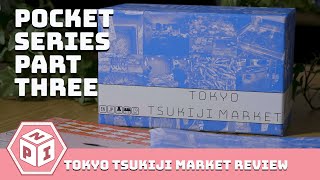
Click to watch at 0:00 · YouTube ↗
Overall sentiment (raw)
mixed
Pros
- Engaging economic puzzle with tension and drama
- Distinct fish rules create varied strategic puzzles
- External markets add variability and replayability
- Wallet-sized footprint with meaningful decisions
Cons
- Steep learning curve for new players
- Best with experienced players and a willingness to engage in price wars
- Not universally appealing to casual or light gamers
Thematic elements
- dynamic fish trading economy with licensing, pricing, and market-driven scarcity
- Tokyo's Tsukiji fish market
- analytic, cutthroat economic puzzle with variable markets and real-time price drama
Comparison games
- Container
Mechanics (from transcript analysis)
- action selection — Each round you choose two actions from three options: go fish, buy fish, visit markets.
- End Game Bonuses — End triggers by reaching thresholds; resources convert to money; highest total wins.
- endgame scoring and resource conversion — End triggers by reaching thresholds; resources convert to money; highest total wins.
- external markets and special effects — Markets like banks, aquariums, or loans modify actions and strategic options.
- licenses and barrels — Licenses grant access to specific fish; barrels must be sold and converted into money/resources.
- Market Pricing/Manipulation — Prices are determined by placing barrels on price spots; value shifts with supply, demand, and round progression.
- unique fish rules — Different fish types have distinct values and rules (degradation, freshness, and end-value dynamics).
- variable pricing via barrels — Prices are determined by placing barrels on price spots; value shifts with supply, demand, and round progression.
Video topics + discussion points
No key topics recorded for this video.
Quotes (from this video)
- it's the Russian roulette of fish
- Schrödinger's fish value
- tokyo tsukiji market is as mean as it is lean
- your personal markets are the dispenser of drama and friction
- the game is mean and lean, but lean isn't just box size
References (from this video)
No references stored for this video.
Transcript Navigation
Showing 1–4 of 4