/pic6974459.jpg)















Treasure Island Deep Dive
What the Community Thinks About Treasure Island
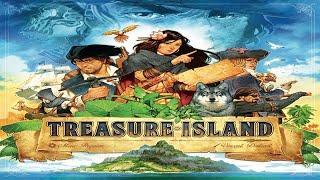
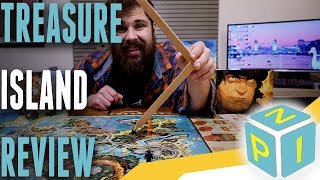
Treasure Island lands as a distinctive asymmetric deduction experience that reviewers describe as unexpectedly engaging. The game occupies a rare design space where one player, serving as the captured pirate Long John Silver, controls the information while everyone else hunts for buried treasure. What emerges across reviews from Actualol, Chairman of the Board, and No Rolls Barred is enthusiastic appreciation for the game's thematic execution and novel physical components, tempered by an acknowledgment that it trades deep puzzle logic for spectacle and fun.
Core Mechanics That Define Treasure Island
The Asymmetric Information Game
At its heart, Treasure Island is a deduction game built on complete asymmetry. Long John Silver secretly knows where the treasure lies while the other players, the searching pirates, work to narrow down the possibilities. The tension ramps up because Silver is allowed to lie outright a limited number of times, forcing the hunters to take every clue with a grain of salt. The deduction layer, comparing clues, testing hypotheses with special abilities, and eliminating impossibilities, forms the mechanical skeleton, published by Matagot and built around a single hidden secret the whole table is circling.
Cartography as Gameplay
Treasure Island's signature mechanic is the physical act of drawing on the map. Reviewers highlight the wipe-clean board, erasable pens, compass templates, and rulers as essential to the experience. Long John Silver uses a large compass to draw circles indicating where the treasure is or is not, and the searching pirates constantly scribble out eliminated areas, visibly shrinking the search space. Chairman of the Board emphasized how immersive this is, literally writing on the board where it could be and scribbling off big portions as more information is revealed, turning cartography into a shared visual narrative of the hunt.
The Treasure Island Experience
Intensity and Paranoia
Reviewers unanimously describe Treasure Island as intensely thematic. The components and the map-drawing create what Chairman of the Board called a real Gold Rush feel, players running around trying to dig and search. Actualol stressed the tension on both sides: Silver wants to reveal as little as possible while the pirates feel desperately close to the prize. Paranoia creeps into every move, because watching where a rival digs makes you second-guess your own reading of the clues. If a competitor heads somewhere unexpected, you wonder what they know that you do not.
A Novelty Game That Works
What surprised reviewers most was that Treasure Island's reliance on toy-box novelty, the oversized compass, the erasable pens, the rulers, never undercuts the gameplay. No Rolls Barred celebrated this directly, framing it as the biggest toy box on their list and an unreasonably fun game. The physical actions of drawing circles and crossing out zones give the deduction tactile, visual weight. Rather than feeling gimmicky, the stationery becomes inseparable from why the deduction works at all.
What Makes Treasure Island Stand Out
Refreshingly Different Asymmetry
Treasure Island occupies a design space few games share. Most deduction games cast all players in similar roles; Treasure Island makes one player fundamentally different with opposed goals. Chairman of the Board found the hunter role pleasantly surprising compared to running the game as Silver, and reviewers generally gravitated toward staying in the hunter seat on replays. The imbalance feels thematic and inevitable rather than arbitrary, which is a large part of why the one-versus-many structure clicks.
Beautiful, Memorable Production
Every reviewer commented on the quality of the components. The map is called beautiful, the compass incredible, and the production immersive. The components are not just attractive; they directly enable the fantasy of hunting buried treasure. The wipe-clean board means the map can be marked and erased every game, keeping it fresh, while the physical ruler and compass make Silver's clues feel authoritative and real rather than abstract.
Potential Drawbacks
Decision Space Narrows Late
One structural limitation reviewers identified is that, after the searching pirates spend their special abilities, late turns can collapse into pure luck, just digging holes in the remaining spots and hoping. Actualol noted this thinning of clever decision-making for the pirates near the end, while still enjoying the overall experience. For players seeking tight puzzle logic from start to finish, that final stretch can feel anticlimactic.
Rules Ambiguity in Edge Cases
The scale of the map introduces occasional ambiguity about exactly where the treasure can legally hide. Chairman of the Board flagged that with deduction games you want clue resolution to be precise, whereas here, because the map is so huge and there are so many ways to discover information, a little ambiguity can creep in. In their experience it did not derail the game, but more rules-precise players may find it a sticking point.
If You Enjoy Treasure Island
Reviewers grouped Treasure Island with games that prize theme and interaction over razor-tight logic. If you loved the imaginative deduction and gorgeous cards of Mysterium, or the social tension of One Night Ultimate Werewolf, you will recognize the asymmetric spirit here. For another game built around a one-versus-many hidden role and bluffing, Scotland Yard offers a classic hunt with a single hidden quarry. And for players who simply love games with memorable physical components, the tactile pleasure of Sheriff of Nottingham sits in the same family as Treasure Island's compass and erasable map.
What Reviewers Are Saying
"Everything is set up to sell you on the idea of being a pirate hunting for treasure. The board is a whiteboard map that you draw on, the incredible compass, plastic templates and rulers for your cartography. It feels like no other game I've ever played, and as the game ramps up there's a tension for both sides as the pirates feel desperately close to finding it."
— Actualol
"This game did a fantastic job of making it feel immersive, because you are literally writing on the board where it could be, you're scribbling off big portions as you're revealing more and more information, and it does have a real kind of Gold Rush feel to it as you run around trying to dig places and search."
— Chairman of the Board
"I'm a big kid who likes to play with toys, and on this list probably the biggest toy box is Treasure Island, an unreasonably fun game of trying to work out where on this map Long John Silver has buried his treasure. A tense, beautiful little puzzle gameplay stuffed with side-eye pirate paranoia."
— No Rolls Barred