




























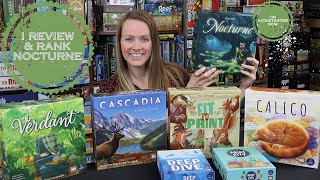









Verdant Deep Dive
What the Community Thinks About Verdant
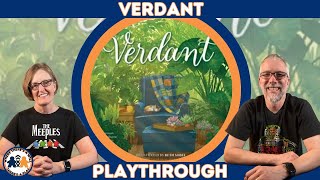
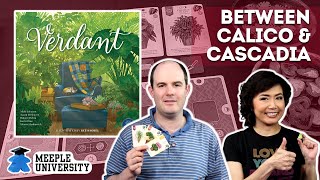
Verdant has earned a devoted following among board gamers who appreciate games that blend beautiful presentation with engaging spatial puzzles. The game's core appeal lies in its marriage of aesthetic design and satisfying mechanical depth. Reviewers consistently praise Verdant as a game that creates a meditative yet challenging experience, drawing comparisons to other beloved spatial games like Calico and Cascadia. The community recognizes Verdant as a modern classic in the "cozy games" space, where relaxing themes combine with genuinely interesting decision-making. Players appreciate that Verdant works equally well as a solitaire puzzle or as a social game where everyone can enjoy the visual results of careful plant placement.
Core Mechanics That Define Verdant
Hand Management and Spatial Positioning
At its heart, Verdant challenges players to make meaningful choices about when and where to play their plant cards. Each decision about which plant to place and in what location carries weight and consequence. Players hold cards representing different houseplants and must decide the optimal moment to deploy them across their personal tableau. The spatial component elevates this beyond simple set collection. Rather than just accumulating cards, you are creating an actual arrangement where position matters. A plant in one location might receive insufficient light, while the same plant in an adjacent space might thrive. This creates a satisfying tension between what you hold in your hand and what you need to complete on the table. The game rewards players who think several moves ahead, considering how the plants they place today will interact with future plays.
Set Collection with Environmental Conditions
Verdant transforms the traditional set collection mechanic by grounding it in thematic logic. Instead of simply gathering cards of matching colors or types, you collect plants and arrange them according to real-world lighting conditions. This creates a satisfying alignment between theme and mechanics. Each plant has requirements, and each space has offerings. When you successfully place a plant in a location where it receives the light it needs, you score points. The game elegantly encourages forward planning and spatial awareness. Reviewers note that this system feels natural and intuitive once understood, preventing the game from ever feeling like players are merely chasing abstract point multipliers. The scoring system naturally flows from the decisions players make about arrangement, making each completed set feel like an authentic accomplishment.
The Verdant Experience
A Meditative, Serene Gameplay Loop
Multiple reviewers highlight Verdant's ability to create moments of calm focus despite its puzzle-solving demands. The game excels at delivering what players describe as a deeply satisfying, almost zen-like experience. Whether playing solo or with others, Verdant encourages thoughtful consideration rather than rushed decisions. The visual appeal of the game directly contributes to this meditative quality. Watching your plant collection grow and develop throughout the game creates a sense of progress and growth. The game captures the feeling of tending a garden, complete with the satisfaction of optimizing space and creating harmony among diverse plants. This emotional experience distinguishes Verdant from purely abstract spatial puzzles. The combination of beautiful art, thematic soundness, and satisfying mechanics creates an experience that reviewers describe as genuinely relaxing while still engaging the mind.
Tactile and Sensory Satisfaction
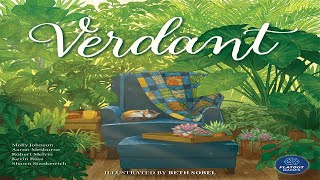
The production quality of Verdant receives consistent praise from the community. Players appreciate Beth Sobel's gorgeous artwork, with plant illustrations that are both botanically interesting and aesthetically beautiful. Before You Play highlighted the stunning presentation and how it reinforces the theme. The card quality and design invite handling and inspection. This sensory engagement strengthens the thematic resonance. Players report that even mechanically simple turns feel rewarding because of the beautiful presentation. As your plant collection grows, you can actually see your accomplishment. The tableau becomes an evolving artwork that you create, making the game feel like a collaborative creative process rather than competition against opponents.
What Makes Verdant Stand Out
Accessible Puzzle Design with Surprising Depth
Verdant strikes an impressive balance that reviewers consistently highlight. The game is genuinely welcoming to newer players, with rules that can be learned in minutes. The core concept is intuitive: place plants where they can flourish. Yet beneath this accessible exterior lies surprising strategic depth. Experienced players discover layers of optimization and planning that reward mastery. This duality makes Verdant exceptional. It works as a family game where children can enjoy the straightforward satisfaction of creating a garden. Simultaneously, it satisfies puzzle enthusiasts who find the spatial optimization genuinely challenging. Might I Suggest a Game noted that the design team behind Calico and Cascadia brought their signature accessible-yet-deep approach to Verdant, creating a game that appeals to a wider audience while maintaining mechanical integrity.
The Compelling Solo Experience
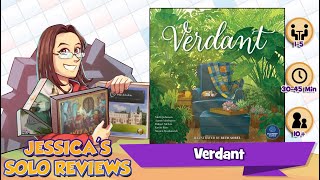
While many games offer solo variants as afterthoughts, Verdant's solitaire mode feels essential to the experience. Multiple reviewers highlight solo play as a particular strength. The game becomes a pure puzzle, where you compete against a scoring threshold or previous attempts rather than against opponents. This transforms Verdant into a meditative activity with beautiful presentation. Before You Play noted that the solo mode, while slightly fiddly with additional rules, delivers a satisfying puzzle experience. The solo mode proves especially valuable for players with limited access to gaming partners or those who simply enjoy solo puzzles. The compact playtime works perfectly for a quick puzzle fix, and the experience feels complete rather than diminished compared to multiplayer play.
Potential Drawbacks
Limited Interaction and Downtime with Larger Groups
While Verdant accommodates up to five players, some reviewers note that the game's structure can feel isolating with the full player count. The core appeal of building your own beautiful garden means players tend to focus on their own tableau rather than engaging with others' developing collections. Tabletop Tolson noted that the restrictive tableau building and draw luck can limit the sense of player control. The lack of direct player interaction, while perfect for some audiences, may feel underwhelming for players who specifically want confrontational or heavily interactive games. Additionally, if turns stretch long due to analysis paralysis, the downtime for other players increases noticeably.
Potential Analysis Paralysis in Spatial Optimization
The spatial puzzle at Verdant's core creates a risk of extended deliberation, particularly among players who enjoy optimizing every detail. While the game's simple turn structure encourages brisk play, nothing mechanically prevents a player from spending considerable time contemplating plant placement. Getting Games observed that Verdant sometimes feels too light for frequent play among heavier gamers, while highly analytical players may slow the game considerably. The open information state means there are genuinely optimal plays to discover, and certain players will feel compelled to find them. Casual groups should establish friendly expectations about turn times to prevent this from becoming a friction point.
If You Enjoy Verdant
Players drawn to Verdant often seek experiences that emphasize beautiful production, meditative gameplay, and satisfying spatial optimization. Calico offers similar aesthetic appeal with a quilting theme and comparable mechanical elegance. Cascadia delivers spatial satisfaction through landscape creation, with similarly stunning artwork and a focus on thoughtful placement. Both games share Verdant's commitment to accessible yet engaging puzzle design. Wingspan provides a nature-themed engine-building experience with gorgeous production values. Azul shares the satisfying pattern-building puzzle while adding tile-drafting interaction. The broader category of spatial card games provides numerous options for continued exploration of this rewarding design space.
What Reviewers Are Saying
"Beth Sobel's artwork is stunning and thematic. The relaxing yet satisfying scoring system makes Verdant a game that works equally well as a competitive puzzle or a peaceful solo experience."
— Before You Play
"By the creators of Calico and Cascadia, with art by Beth Sobel. The puzzly gameplay and abstract puzzles make Verdant lighter than its predecessors but with wider audience appeal."
— Might I Suggest a Game
"Verdant has a pleasant theme and presentation, it's easy to teach, and it's good when you want a light, quick game. The spatial puzzle keeps you thinking even when the rules are simple."
— Getting Games