




War of the Ring: Second Edition Deep Dive
What the Community Thinks About War of the Ring: Second Edition
Reviewers across several board game channels treat War of the Ring Second Edition as one of the most faithful attempts to bring the Lord of the Rings onto the tabletop. Rolls in the Family describes the game as a sprawling production that plays out the epic parts of the story, while Tabletop Turtle says the theme bleeds through every part of the play. Board Games UnLocked and Tabletop Turtle both praise the atmosphere, and Tabletop Turtle includes the game in its list of top thematic games. The criticism centers on two points: the political track can feel restrictive to the Free Peoples player, and the game asks for a long commitment at the table. Pair of Dice Paradise also notes that the game still draws new attention despite its age, which suggests the community keeps finding reasons to return to it.
Core Mechanics That Define War of the Ring: Second Edition
Hidden Fellowship and the Corruption Track
Box of Delights walks through the opening of the game and shows the Free Peoples player keeping the Fellowship hidden on the map. The Shadow player cannot simply track the Ring-bearer, so the Fellowship's route becomes a source of tension for the whole table. Corruption works as the counterweight to that secrecy. As the Fellowship travels through dangerous territory, the corruption track climbs, and the Shadow wins once that track reaches its end. Board Game Barrage describes the result well: the Fellowship's sneaking runs alongside the war in the open, and the host says the player is effectively playing two games on top of each other on the same board.
Political Track and Military Balance
Nations on the Free Peoples side do not join the war on their own schedule. Pair of Dice Paradise explains that these nations start out reluctant to take up arms and must be attacked by Sauron or persuaded by Gandalf and the companions before they begin to fight. The political track records that progress, and Box of Delights shows how a nation in its passive state cannot move into certain spaces until its status changes. Board Games UnLocked explains how the two sides are balanced. The Shadow must control ten points to win, while the Free Peoples need only four. The Shadow also receives constant reinforcements, whereas the Free Peoples watch their armies dwindle and cannot replace fallen units the way the Shadow can.
Action Dice and the Hunt
Each turn revolves around action dice, and the results determine how far each side can push its plans. The Free Peoples must decide whether to move the Fellowship forward, rally nations, or hold back armies for defense. The Shadow player uses the hunt pool to pursue the Fellowship and must weigh that pursuit against the need to press military advantages across the map. Board Games UnLocked adds that the Free Peoples cannot replace fallen units, so every battle carries lasting weight, and that is part of why the armies feel so consequential.
The War of the Ring: Second Edition Experience
A Long, Story-Driven Event
Reviewers consistently describe War of the Ring: Second Edition as an event rather than a quick filler session. Board Games UnLocked calls the game a fantastic experience despite its length, and that praise reflects a common view that the time investment pays off in stories. Rolls in the Family says the appeal goes beyond winning, describing a desire to watch the story unfold as the Fellowship's journey and the war's progress come together.
Turns Shaped by Diverging Goals
The turns feel deliberate because each side is working toward a different victory condition, so no decision is made in a vacuum. The moments that reviewers remember feel scripted, yet they come from choices made on the board rather than from a fixed narrative.
What Makes War of the Ring: Second Edition Stand Out
A Theme Players Live Inside
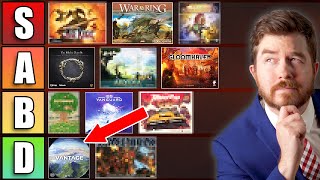
The theme is the feature most often singled out. Tabletop Turtle calls the game a masterpiece in theme and places it in its S tier, pointing to the feeling that players are living through the conflict rather than simply moving pieces across a map. The same reviewer highlights the asymmetry between the two sides, describing the Free Peoples as desperate, fragile, and noble while the Shadow feels relentless and oppressive.
A What-If Exercise With Replay Value
Board Games UnLocked compares the design to a what-if exercise, asking how the story might have changed if different characters made different choices. That approach gives the game a replay value that many reviewers say keeps them returning to the table.
Potential Drawbacks
A Restrictive Political Track
The main complaint concerns the political track. Board Games UnLocked notes that many players find the Free Peoples' inability to go to war on their own terms frustrating, since they must wait until Sauron attacks before their nations join the fight.
A Long Commitment at the Table
The length of a full game is the second concern, and Board Games UnLocked describes the game as long, though it considers the time worth spending. Players who prefer quick decisions or short sessions may find the game demanding.
If You Enjoy War of the Ring: Second Edition
Reviewers point to several titles that share the game's appeal. Board Games UnLocked suggests pairing War of the Ring with Hunt for the Ring, and calls that combination super cool. The same channel compares the game to Middle-earth Quest, which shares the Tolkien-inspired strategy at its core. For players who want an epic conflict on a grand scale, Board Games UnLocked argues that War of the Ring is vastly superior to Battle of Five Armies.
What Reviewers Are Saying
"No game I think does it better than War of the Ring."
— Rolls in the Family
"Initially the free people nations are reluctant to take up arms against Sauron so they must be attacked by Sauron or persuaded by Gandalf or his companions before they actually start to fight properly."
— Chaz Marlar, Pair of Dice Paradise
"A lot of people give this game a hard time for its political track."
— Board Games UnLocked