/pic355859.jpg)


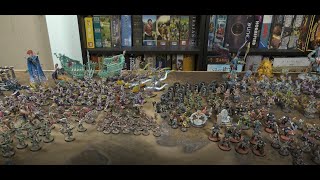







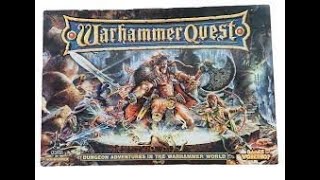





Warhammer Quest Deep Dive
What the Community Thinks About Warhammer Quest
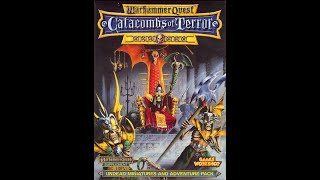
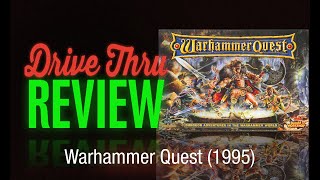
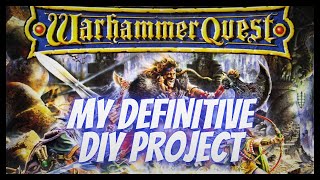
Warhammer Quest stands as a cornerstone of the dungeon-crawl genre, a 1995 classic from Games Workshop that continues to captivate players three decades after its release. The game has experienced a remarkable renaissance through fan dedication, with community members producing professionally printed supplements that rival the official releases. Reviewers from The Dungeon Dive to Rob's Tabletop World agree that, despite newer alternatives, Warhammer Quest occupies a uniquely privileged place in the hearts and on the tables of dungeon-crawl enthusiasts. Its enduring appeal stems not from cutting-edge mechanics but from elegant simplicity, a strong sense of adventure, and the emergent storytelling its systems produce.
Core Mechanics That Define Warhammer Quest
Modular Dungeon Building and Event-Driven Exploration
At its heart, Warhammer Quest builds dungeons tile by tile as the party advances, creating genuine uncertainty with each room entered. A robust event deck drives encounters and dangers, most famously the dreaded Power Phase that can swing a game's momentum in an instant. This modular approach means no two delves are identical; the same tileset produces wildly different encounters depending on which event and monster cards emerge. The system captures the feeling of pushing into unknown territory, where careful planning must constantly adapt to unpredictable circumstances and a single bad draw can turn triumph into a desperate scramble.
Campaign Progression and Character Development
Warriors begin at the lowest level and grow across a campaign, gaining new skills, equipment, and attributes that meaningfully change their capabilities. The treasure system in the original design has little throttle, so a lucky warrior on the very first quest might claim a powerful artifact that reshapes party dynamics. This creates exciting moments of serendipity, while fan-made supplements add optional tiered treasure systems for groups who prefer more controlled advancement. Between dungeons, settlement and travel events deliver roleplay hooks that link individual quests into a cohesive, evolving campaign.
The Warhammer Quest Experience
Brutal Old-School Difficulty and Accessibility
Warhammer Quest favors straightforward rules that can be taught through theme rather than constant rulebook references. Character creation is immediate, and warriors begin adventuring within minutes. Yet the game delivers genuine peril through its encounter design and random events. Characters die, and often. The threat feels organic rather than artificially balanced, producing moments of real tension when a warrior faces an overwhelming monster or an event cascades into crisis. This balance of easy entry and harsh play creates emergent narratives where simply surviving becomes an achievement worth retelling.
A Travel and Settlement Layer That Makes the World Live
What distinguishes Warhammer Quest is its commitment to a world beyond the dungeon walls. Travel hazards strike warriors moving between settlements, forcing encounters with wandering monsters, merchants, and strange phenomena. The settlements themselves can be as dangerous as any dungeon, offering brawls, ambushes, and unexpected quests that pull the party in different directions. This dynamism gives players room to weave personal stories around their warriors, and the comprehensive settlement and travel systems, especially as expanded by fan supplements, turn isolated dungeon runs into a continuous adventure loop.
What Makes Warhammer Quest Stand Out
The Timeless Warhammer Fantasy Aesthetic
The game holds a nostalgic place in gaming history, faithfully recreating the feel of classic Games Workshop specialty games with iconic archetypes and grimdark Warhammer Fantasy flavor. Barbarians, elves, dwarves, and wizards embody fantasy roles players grasp instantly, and the universe provides coherence without demanding deep lore knowledge. This aesthetic remains appealing regardless of publication year. A trek through an undead-infested catacomb resonates as strongly today as it did in 1995, letting modern players enjoy the same experience earlier generations treasured.
An Expansive Ecosystem Through Fan Stewardship
The game's greatest strength is its sprawling ecosystem of official expansions, magazine adventures, and meticulously crafted fan supplements. Community work has revitalized the entire game, producing large quest compendiums, consolidated treasure references, character booklets for a long roster of classes, and board tiles that match or exceed original component quality. Groups who prefer random encounters over scripted campaigns can draw on continuously expanding quest tables, and the game scales from beginner-friendly level-one crawls to advanced multi-session campaigns. This abundance means players rarely exhaust the game's potential.
Potential Drawbacks
Rules Fragmentation and Dated Presentation
The original game's small, hard-to-read booklets created barriers for new players, and although fan supplements have improved this, critical information is now scattered across official products, magazine issues, and community creations. Players seeking complete rules can face a research burden that some find tedious rather than charming. While the core rules are simple, advanced play layers in optional mechanics, special terrain, and status effects that require reference materials at the table, so the experience can feel less streamlined the deeper a group goes.
Length and Campaign Commitment
Individual quests run reasonably briefly, but the game rewards extended campaign play where character progression matters most. Groups committing to a campaign invest significant time before seeing the full arc. This slow-burn approach contrasts with modern designs favoring tighter, self-contained loops. For players who prefer quick, contained sessions, or who cannot commit to a long-running campaign, the emphasis on continuity and gradual advancement may feel misaligned, and the willingness to accept brutal character death as part of the story is essential to enjoying it.
If You Enjoy Warhammer Quest
Players seeking similar experiences should explore HeroQuest, a sister title that shares the accessible dungeon-crawl design and Games Workshop heritage with somewhat simpler mechanics. Descent offers more complex systems and modern polish for those wanting deeper tactical combat while keeping tile-based exploration. And Shadows of Brimstone serves as a spiritual successor, inheriting the modular exploration and campaign progression while adding Old West horror theming and more robust character advancement. Each shares Warhammer Quest's core appeal of delving the unknown while offering its own mechanical or thematic twist.
What Reviewers Are Saying
"Warhammer Quest is the gold standard because it still does so much more, and so much better, than so many games. It's not the dungeon crawl I want to play as often as my number one game, but it's still the gold standard for what a dungeon crawl should be."
— The Dungeon Dive
"He has taken a game that should have been dead a long time ago and is giving it every bit of life you can imagine, doing a fantastic job of it. This is my number one game, and the reason it is always the top game for me is because of what the community has been able to do with it."
— Rob's Tabletop World
"It's a straight-up simple one. I just want to get in with a character, here's some cool stuff I can level up, here's the room, here's some monsters, let's go kill them. It's one of those old ones, a bit like HeroQuest, where it's just hack-and-slash with some classic Warhammer creatures, and that's it."
— The Broken Meeple