















Windward Deep Dive
What the Community Thinks About Windward
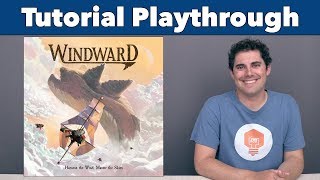
Windward is a 2020 release from El Dorado Games that places each player in command of an airship sailing the skies of Celus, a gaseous planet. Getting Games first covered it while sorting through new releases, and the presenter noted that the listing promised action programming, hand management, a modular board, and pick up and deliver play. The presenter admitted the theme was the main draw at that point, guessing that the cover art showed one of the Crestor creatures the airships would be fighting.
After a tutorial and a full three-player game, the same channel's assessment was that Windward rewards careful positioning. The full game ended with a single-point win, and the presenter noted that a tie would have sent everyone into another round. That tight finish became the most discussed moment of the playthrough, and the presenter argued that a rival with a larger stockpile of gas might have won had the game continued for one more turn.
The reception centers on how much the game asks players to plan ahead. The wind changes every round, so a route that works one turn may be closed the next. Combined with hunting Crestor for notoriety and the constant risk of losing morale, the design produces the kind of close endings the presenter described.
Core Mechanics That Define Windward
Movement Points
Each airship spends movement points on its turn, and the wind direction is reset each round. Sailing with the wind is the easiest way to cover ground, while an airship cannot sail straight into it. The presenter treated this as the central planning constraint. A ship that finishes its movement in the sky must perform a rest step, which costs either a supply card or a point of morale, and it gains a point of notoriety for staying aloft. The tutorial also covers the gas pockets scattered around the outside of the board. Each pocket starts with two gas tokens that a player can collect by moving through the spot, and the tokens never refill, so every pocket is a one-time reward that players race to claim.
Combat: Dice
Fights against Crestor are resolved with dice. In the full game, the presenter totaled the ship's base strength, the bonus from two cannons, and the hits printed on cards in hand, along with a pip token left in the cargo hold after an earlier loss. Against a red Crestor with 11 hits, the presenter needed 12 hits to win, and the cards and tokens supplied exactly enough. A lost battle leaves a lasting mark, since the leftover pip token carried forward into a later fight. Provoked Crestor also move on their own, and the presenter showed a red Crestor advancing three spaces toward the airship that had stirred it up, which means fights can spread across the board rather than staying in one place.
The Windward Experience
Tense Wind Planning
The feeling reviewers returned to most often was tension between plans and conditions. The presenter faced a choice on the tutorial turn that captures the pressure well. Spending the last morale point would have dropped the airship to zero, destroying it and leaving a quest open for another player to take. Instead, the presenter discarded a card to keep the airship intact and set up morale for the next turn. Combine that decision with shifting wind and a monster that moves toward the player, and every turn feels uncertain without being random for its own sake.
Nautical Sky Battles
The theme comes through in the sailing, towing, and trading actions. Airships fight one another over the board, boats tow captured Crestor back toward the airships they belong to, and Crestor teeth are cashed in at the Trading Post for notoriety. The presenter described the airship battles as a clear part of the game's identity, and the sky combat feels more like a seafaring contest than a simple race across a map.
What Makes Windward Stand Out
Achievements That Change the Game
The game includes optional achievements, and the presenter explained that players can skip them or draw two at random to start the game. In the full playthrough, one unused achievement rewarded towing Crestor with two boats to two different endeavor spots in the same turn. The presenter explained that pursuing it would have required a second boat early, a few Crestor defeated, and airships left exposed for longer. The presenter's view was that the random draw would change the focus of the whole game, which makes each setup feel distinct.
Boats and Towing
Boats add a second layer of play. The presenter noted that boats can attack one another in an attempt to steal a Crestor that is being towed and carry it back to their own airship. This interaction did not come up in the recorded game, but the presenter expected it to change the way the game plays from one session to the next. The presenter also felt the green player's strategy might have worked far better had a towing achievement been in play.
Potential Drawbacks
Reviewers flagged a few areas where the game can frustrate. The tutorial has to cover many rules at once, and the presenter said most of the rules needed to be taught before the first full turn could be played through. Some plans can also be undone by the draw of achievements or by the way a rival takes advantage of an exposed boat.
Morale Pressure
Morale works as both a safety valve and a liability. Dropping to zero destroys an airship and returns its quest to the board. Because spending morale is often required to avoid penalties in the sky, players can end up choosing between two unpleasant options. The presenter treated that squeeze as a source of drama in the game rather than a flaw, but players who dislike forced resource loss may find it tiresome over a long session.
Strategies Depend on the Draw
The random achievements can reshape the balance of the game. The presenter said the green player's approach looked weaker in the recorded game largely because a towing achievement never appeared. That suggests the best plan can shift significantly depending on which achievements come up, so players who prefer a fixed path may find the variance uncomfortable.
If You Enjoy Windward
- Games where positioning matters and the best route changes from one turn to the next.
- Titles that use action programming and hand management to sequence an entire turn.
- Competitive scoring where a tie can extend the game and a single point decides the winner.
- Sky or sea themes built around hunting creatures, delivering cargo, and cashing in trophies.
What Reviewers Are Saying
"I'm intrigued, I'm just overall quite intrigued"
— Getting Games
"obviously it's great that we were able to win this one and it was by the tiniest margin possible with just one point"
— Getting Games
"that's gonna definitely change the way the game plays from one to the other"
— Getting Games