























Collection Status
Your Rating
Featured Videos
Playthrough
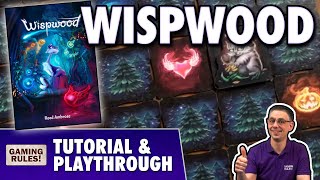
Wispwood - Tutorial & Playthrough
Transcript Analysis
Browse transcript mentions, sentiments, pros/cons, mechanics, topics, quotes, and references.
Total mentions: 9
This page: 9
Sentiment:
pos 8 ·
mix 1 ·
neu 0 ·
neg 0
Showing 1–9 of 9
Video xVtm6gergUo
Tantrum House Studio 3 game_review at 0:05 sentiment: positive
video_pk 62726 · mention_pk 155425
Click to watch at 0:05 · YouTube ↗
Overall sentiment (raw)
positive
Pros
- Balanced, varied scoring cards provide multiple viable strategies
- Clear, appealing art with glowing wisps and thematic mood
- Accessible rules and quick setup for a light to mid-weight experience
- Cat token adds flexibility and helps fix holes late in the game
- Tight puzzle that compounds across rounds
Cons
- AP in higher player counts due to many scoring options and legal placements
- Potential holes when placing large polyomino shapes
- Only one player may achieve end-game grid bonuses, creating potential score cliffs
- Theme not overly heavy; some players may prefer deeper interaction
Thematic elements
- glowing wisps, pumpkins, witch hats; cat tokens
- magical forest / mystical woods
- puzzle-driven exploration with evolving goals across rounds
Comparison games
- roll-and-write
Mechanics (from transcript analysis)
- cat token abilities — reset the center or place up to three blank forest tiles; second use can reposition scoring opportunities
- Compound Scoring — score tiles based on goals chosen at game start; scoring occurs after each round
- grid growth / increasing constraints — grid size increases from 4x4 to 5x5 to 6x6 across rounds while tiles stick around
- Polyomino — place the chosen whisp plus required forest tiles onto your grid
- polyomino placement — place the chosen whisp plus required forest tiles onto your grid
- pool management / AP considerations — the central pool drains differently with player count, affecting turn order and choice
- round-based scoring with shared goals — score tiles based on goals chosen at game start; scoring occurs after each round
- tile drafting — take a whisp from the center and select an adjacent polyomino shape
Video topics + discussion points
No key topics recorded for this video.
Quotes (from this video)
- This feels like a roll and write game that they made into a physical game.
- It's an easy one to be able to get to the table and to play.
- I think the cats are kind of cute and fun.
- The rules are not hard, but they change every time.
References (from this video)
No references stored for this video.
Video r8CfqThtEo8
game_review at 0:00 sentiment: positive
video_pk 61333 · mention_pk 153999
Click to watch at 0:00 · YouTube ↗
Overall sentiment (raw)
positive
Pros
- clever scoring system with variable objectives per game
- tactile, colorful components; glow-in-the-dark wisps adds charm
- balanced mix of strategy and accessible rules; fun for families
Cons
- noise of random initial wisps can affect early decisions
- rule complexity due to multiple scoring conditions per wisps
- potential downtime during refill/turn cycles
Thematic elements
- tile placement with evolving, score-driven wisps and cat-tokens
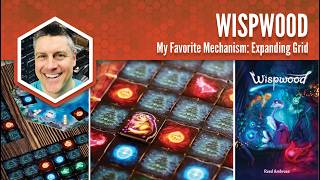
- Whimsical forest where players assemble a 4x4 grid (expanding each round) to score with wisps and trees.
- Array
Comparison games
none
Mechanics (from transcript analysis)
- cat turns and trees — Cat turns modify future options; trees can be used to fill holes when cats are turned back.
- round progression — End-round scoring followed by expanding grids and preserving certain pieces.
- scoring by wisps — Each color’s wisps has a unique scoring method; the board layout and adjacency affect points.
- shape selection — Choose a shape from the chosen wisp to place on your board.
- tile placement — Players place shapes into a grid, honoring the shapes granted by selected wisps.
Video topics + discussion points
No key topics recorded for this video.
Quotes (from this video)
- Wispwood is very clever in the way that it plays and you remove those trees every round and rebuild out, but you keep your wisps so your scores can really multiply in those future rounds.
- these wisps glow under black light.
- this is a tile placement game, but it obviously has some twists to make it unique.
References (from this video)
No references stored for this video.
Video IWfN4J8YBz8
Allies Arene Enemies game_review at 0:10 sentiment: positive
video_pk 61005 · mention_pk 153392
Click to watch at 0:10 · YouTube ↗
Overall sentiment (raw)
positive
Pros
- Charming cat component with peeking eyes behind the trees.
- Beautiful components and good quality; wisps glow in black light per component blurb.
- Snappy game pace; turns move quickly with minimal downtime.
- Clear scoring through the scoring cards; high replayability due to variability.
- Strong gateway appeal; easy to teach while offering depth for experienced players.
- Solid two-player and four-player scalability; flexible player counts.
Cons
- Scoring can be a bit fiddly for brand-new players, as it requires scoring across multiple categories each round.
- Some scoring cards (like witches) can be restrictive and create awkward shapes when clearing trees.
- Setup involves flipping many double-sided tiles; some players would prefer a bag for randomization rather than flipping.
- The thematic link between cats and forest wisps feels a bit whimsical or mismatched for some players.
Thematic elements
- Array
- Forest environment with magical forest spirits
- Whimsical and charming with a light fantasy tone
Comparison games
- My Celia
Mechanics (from transcript analysis)
- Compound Scoring — At game start, five different kinds of scoring cards are selected from five cards of each type, providing multiple potential scoring goals and ensuring high replayability.
- Hidden action cat mechanic — Each player has a cat token that can be flipped to perform an alternate action (refill available wisps or place a non-adjacent shape) and then must be flipped back behind a tree by taking a tree turn.
- Rotation/shape orientation — Placed shapes can be rotated to fit into the grid as players optimize their layouts for scoring opportunities.
- solo/puzzle mode — A solitaire variant features a ghost cat and tokens that the ghost cat interacts with, driving the player toward different strategies without a second human as an opponent.
- tile placement — Players draw a wisps token from a shared pond and place it on their personal grid, choosing one of two shapes and using tree tiles to complete the chosen shape, while satisfying adjacency and containment constraints.
- variable scoring via scoring cards — At game start, five different kinds of scoring cards are selected from five cards of each type, providing multiple potential scoring goals and ensuring high replayability.
Video topics + discussion points
No key topics recorded for this video.
Quotes (from this video)
- I think this could be a contender for one of the best gateway games that have been released this year because I could definitely see us playing this with relatively new players. It is very easy to teach.
- The cat is one of my favorite components, because everyone gets one cat... flipping it to reveal its eyes peeking through the trees is just delightful.
- The pacing is really nice; the game pace moves quite quickly because on your turn, you're picking one tile and you have a choice of one of the two shapes that are going with it.
- Five cards in each kind of cards—tree cards or heart cards—don’t feel wildly different, but they feel different enough and some of them like the pumpkins do feel quite a bit different.
- There is also a solo mode for this game... it's not making a grid, but it is still scoring, and it is still an opponent.
References (from this video)
No references stored for this video.
Video YK2Q5GZqaPA
Jenna's Stream general_discussion at 16:47 sentiment: positive
video_pk 38701 · mention_pk 116613
Click to watch at 16:47 · YouTube ↗
Overall sentiment (raw)
positive
Pros
- innovative cat mechanic and card-driven scoring
- strong solo puzzle with varied scoring cards
- companion app speeds up scoring and reduces manual counting
- high replayability due to many scoring card combinations and variable shapes
Cons
- thinky and sometimes complex rules that can be intimidating for new players
- overlay of tiles and forest layout can feel visually busy during live streams
- setup and organization can be fiddly, especially with larger grids
Thematic elements
- Tile drafting and spatial puzzle themed around forest growth, magical wisps, and a cat token that can reveal or hide actions.
- A magical forest that grows from a 4x4 grid to a 6x6 grid over three rounds, with shifting wisps, trees, and feline mechanics that influence placement and scoring.
- puzzle/abstract
Comparison games
- Twinkle
- Apatha Bakery
Mechanics (from transcript analysis)
- cat action mechanic — The cat token can be revealed or hidden to refresh wisps, allowing access to different shapes on the board. This introduces a tactical bluff of sorts and reshapes future placement options.
- Combat: Deterministic — A simple solo mode where an AI drafts and scores in a predictable way using predetermined wisps, providing a challenging but learnable opponent that emulates player conflict.
- Compound Scoring — At the end of each round, players draw scoring cards that define how wisps and trees score. This introduces variability and strategic choices across rounds.
- Polyomino — Players draft one of several polyomino shapes from near the wisps, deciding which shape to take and which wisp it will surround to maximize scoring potential in a given round.
- polyomino drafting — Players draft one of several polyomino shapes from near the wisps, deciding which shape to take and which wisp it will surround to maximize scoring potential in a given round.
- scoring cards and variable end scoring — At the end of each round, players draw scoring cards that define how wisps and trees score. This introduces variability and strategic choices across rounds.
- solo/AI opponent with deterministic moves — A simple solo mode where an AI drafts and scores in a predictable way using predetermined wisps, providing a challenging but learnable opponent that emulates player conflict.
- tile placement — Drafted shapes can be rotated and mirrored and must be placed connected to existing forest tiles. Each placement shapes how future wisps and scoring opportunities unfold across rounds.
- tile placement and rotation/mirroring — Drafted shapes can be rotated and mirrored and must be placed connected to existing forest tiles. Each placement shapes how future wisps and scoring opportunities unfold across rounds.
Video topics + discussion points
No key topics recorded for this video.
Quotes (from this video)
- This game is so good.
- The strategy for this one is very deep.
- This is such a cool part of it.
- I am really enjoying this right now.
- The companion app scores it for you, which is cool.
References (from this video)
No references stored for this video.
Video XOXG5GfhFYc
Unknown Channel playthrough at 3:59 sentiment: positive
video_pk 28594 · mention_pk 83870
Click to watch at 3:59 · YouTube ↗
Overall sentiment (raw)
positive
Pros
- High replayability due to randomized wisps and pattern cards that yield different strategies each game.
- Clear, tangible scoring via cards and the companion scoring app, which reduces arithmetic overhead.
- Whimsical theme with cat characters and charming artwork, appealing to families and light-weight strategy players.
Cons
- Potentially heavy cognitive load for new players due to spatial reasoning and pattern-fitting decisions.
- Physical setup and table space requirements can be more demanding than lighter abstract games.
- Reliance on app scoring may deter players who prefer entirely manual scoring or who dislike devices at the table.
Thematic elements
- Pattern building, tile placement, and set-collection style scoring
- Enchanted forest with cat characters; mystical grove and seasonal forest phases
- Whimsical fantasy with forest creatures (cats) and magical wisps
Comparison games
- King Domino
Mechanics (from transcript analysis)
- cat powers / variable player powers — Each cat can be flipped to activate powers (refill pool or swap to a chosen shape). Powers reset at round end when cat is reactivated via a tree turn.
- Compound Scoring — Each of three rounds has its own grid size and scoring rules; points are awarded according to specific patterns and end-of-round bonuses for grid completion.
- end-of-round reset and cat repositioning — After scoring, the active cat can be moved to another tree; non-scored trees are removed, wisps remain in play for the next round, and a larger grid is used.
- pattern-driven polyomino-like placement — Selected shapes must be placed to form a contiguous forest on a grid, with rotations/mirrors allowed, and must touch existing forest tiles.
- Polyomino — Selected shapes must be placed to form a contiguous forest on a grid, with rotations/mirrors allowed, and must touch existing forest tiles.
- round-based scoring with end-round bonuses — Each of three rounds has its own grid size and scoring rules; points are awarded according to specific patterns and end-of-round bonuses for grid completion.
- scoring cards / set-collection patterns — Each round uses one scoring card per wisp type; players score based on the arrangement of jacks, hats, hearts, and orbs in patterns around their cat.
- tile drafting / wisp selection — Players select a Wisp tile and an adjacent shape from face-down pool; the chosen wisp determines the initial placement constraint.
- tree turns — On a turn, a player may take 1-3 trees from the face-down pile and place them to fill gaps on their forest; helps shape the grid and complete patterns.
- Unique player powers — Each cat can be flipped to activate powers (refill pool or swap to a chosen shape). Powers reset at round end when cat is reactivated via a tree turn.
Video topics + discussion points
No key topics recorded for this video.
Quotes (from this video)
- A rolling cat gathers no hats.
- The hat is more important than the heart.
- This forest is now huge.
- The app scores for you.
References (from this video)
No references stored for this video.
Video To57_FF0yRY
Board Stupid top_10_list at 8:47 sentiment: positive
video_pk 8909 · mention_pk 123356
Click to watch at 8:47 · YouTube ↗
Overall sentiment (raw)
positive
Pros
- Beautiful production and accessible family-friendly design
- High replayability via many wisps and scoring variations
- Solid for casual gaming sessions with kids and friends
Cons
- May feel light for heavier euro players
Thematic elements
- nature/forest, woodland magic
- central pond drafting and tile placement to form a forest/woodland layout
- cozy, family-friendly euro with twist
Comparison games
- Cascadia
Mechanics (from transcript analysis)
- central pond drafting — draft wisps from a central pool and place to build your area
- closed drafting — draft wisps from a central pool and place to build your area
- shape construction around wisps — choose shapes around the wisps using neutral forest tiles
Video topics + discussion points
No key topics recorded for this video.
Quotes (from this video)
- It's a banger.
- That is a banger for me.
- The theme elevates to my heart.
- This is the dream because the theme is done so well and interwoven with the mechanics.
- It's a solid for me.
- I want to play more.
- It's a fantastic production.
- The world’s limits are pretty big and a lot of moral choices.
- Take Time is the biggest surprise of the year.
- It is a wonderful deterministic experience that doesn't last 4 hours.
References (from this video)
No references stored for this video.
Video -7pNMIAtTDs
Dice Tower general_discussion at 8:16 sentiment: positive
video_pk 6510 · mention_pk 19317
Click to watch at 8:16 · YouTube ↗
Overall sentiment (raw)
positive
Pros
- very pretty production
- distinctive grid growth mechanic
Cons
- board may feel cramped for some players
Thematic elements
- tetris-like shapes at the forest edge
- fantasy forest with crafting and grid-building
- elegant, puzzle-forward
Comparison games
none
Mechanics (from transcript analysis)
- tile/grid placement — building structures with growing grid and Tetris-like shapes
Video topics + discussion points
No key topics recorded for this video.
Quotes (from this video)
- First of all, happy new year.
- This week we're launching our gamefound campaign. This is our crowdfunding campaign where it's a support drive for the Dice Tower.
- If you'd like out all the... If you like the videos we put out over the course of the year, and we try to make all of our videos free for people to watch. If you like those, consider supporting us so we can continue doing it for another year.
- Two-player head-to-head, but doesn't feel mean.
- I found this one to be very satisfying.
- Came in at a 7.5 on it.
- Spirits of the Wild Awakening was an eight for me.
References (from this video)
No references stored for this video.
Video rPaeOBfP5Mk
Dice Tower game_review at 0:18 sentiment: mixed
video_pk 3790 · mention_pk 11121
Click to watch at 0:18 · YouTube ↗
Overall sentiment (raw)
mixed
Pros
- distinct visual design and pleasant production
- clever core idea of laying patterns with wisps and grid growth
- easy to learn with clear scoring cards
- good fit for the session length
Cons
- scoring feels similar to Cascadia and not highly dynamic
- decisions can feel limited and predictable
- final scoring can be close and repetitive
- some will find it derivative in a crowded genre
Thematic elements
- Puzzly, polyomino-based tiling with wisps and cat token
- Forest of Wispwood, magical woodland
- Abstract puzzle with light woodland fantasy veneer
Comparison games
- Cascadia
- Guild of Merchant Explorers
- Copenhagen Roll and Write
Mechanics (from transcript analysis)
- grid expansion — Grid grows from 4x4 to 5x5 to 6x6 as rounds progress
- Polyomino — Place tiles next to existing grid to complete pattern shapes
- polyomino placement — Place tiles next to existing grid to complete pattern shapes
- scoring cards — Each wisp type has its own scoring card determined at start; points awarded per card
- tile drafting — Choose a wisp tile from exposed board to extend your polyomino pattern
- tile refill control — Tree tiles refill only under certain conditions; cat flip governs refill
Video topics + discussion points
No key topics recorded for this video.
Quotes (from this video)
- I like the luminescent art on the dark background.
- I give this one a seven.
- If you haven't played many of these games, you should certainly check it out.
- Production on it is good.
- The final scores at the end of the game could be like in the 200s fairly easily.
References (from this video)
No references stored for this video.
Video llJQafCfIy0
Getting Games game_review at 0:37 sentiment: positive
video_pk 3331 · mention_pk 93188
Click to watch at 0:37 · YouTube ↗
Overall sentiment (raw)
positive
Pros
- Engaging polyomino puzzle with variable, card-driven scoring that stays fresh across plays
- Easy to teach and quick to set up, making it accessible to new players
- Strong replayability due to different scoring cards and tile layouts
- Excellent two-player duel experience with meaningful interaction and denial
- Delightful woodland theme, art, and components that fit the mood
- Score compounding effect across rounds adds meaningful long-term strategy
Cons
- Early tree actions can preclude later scoring opportunities and feel punishing if misplanned
- The rule interactions around cat, trees, and scoring icons can be dense for newcomers
- Some players may find the pawn-like tile shapes slightly abstract without the thematic tie-through
- A few players may experience analysis paralysis due to multiple scoring vectors each game
Thematic elements
- Woodland magic, nature-based scoring, and puzzle construction
- Fantasy woodland forest environment with trees, wildlife, and magical motifs (witches, cats, and decorative tokens) surrounding a central drafting/placement puzzle.
- abstract/puzzle-driven with whimsical woodland theme
Comparison games
- Cartographers
Mechanics (from transcript analysis)
- card drafting — At game start, four color scoring cards are revealed (orange, green, blue, red) and each guides scoring for that color throughout the game.
- cat action and tree actions — A cat mechanic provides a bonus action; taking three trees can be done as an alternative to tile drafting, but may limit immediate scoring opportunities.
- center-draft with scoring cards — At game start, four color scoring cards are revealed (orange, green, blue, red) and each guides scoring for that color throughout the game.
- Combat: Deck/Hand — In two-player mode, players compete for tiles and often deny the opponent desirable shapes, creating a direct head-to-head contest.
- pattern-based placement — Placed tiles must fit one of the available placement patterns and must connect to existing tiles along an edge.
- permanent scoring icons — Scoring icons placed on your grid persist across rounds and accumulate points as you place more tiles.
- Polyomino — Players draft square tiles from a central board and place them into a personal grid, forming their own polyomino shapes as they expand the board.
- polyomino tiling — Players draft square tiles from a central board and place them into a personal grid, forming their own polyomino shapes as they expand the board.
- round-based grid growth — The game unfolds over three rounds with grid sizes 4x4, 5x5, and 6x6; rounds end when the grid fills and scoring occurs.
- trees vs icons dynamic — Trees are cleared between rounds, but the scoring icons remain and continue to influence future scoring opportunities.
- two-player duel dynamics — In two-player mode, players compete for tiles and often deny the opponent desirable shapes, creating a direct head-to-head contest.
- witch placement rules — Witches have placement restrictions that vary per game, adding tactical depth and shaping scoring opportunities.
Video topics + discussion points
No key topics recorded for this video.
Quotes (from this video)
- arguably my favorite game of Board Game GeekCon.
- it's a very, uh, easy game to teach.
- I really enjoyed it so much that I bought it.
- The two-player game was great.
- Polyomino style game with a very cool twist.
- There's a lot to think about here.
References (from this video)
No references stored for this video.
Transcript Navigation
Showing 1–9 of 9