









Sunrise at the Studio Deep Dive
What the Community Thinks About Sunrise at the Studio
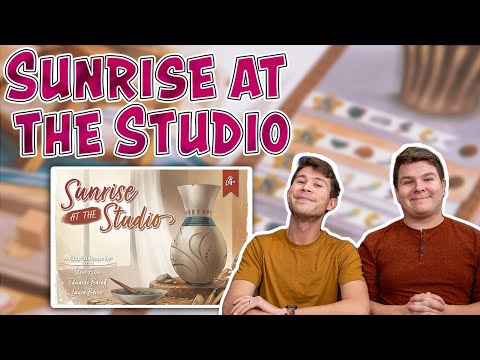
Sunrise at the Studio enjoys a remarkable consensus among reviewers: it is a cozy, beautifully crafted game that delivers meaningful decisions in a tight 20-minute package. Watch It Played's Rodney Smith presents it as a complete rules system, while DaniCha highlights the approachable solo experience with an AI companion called the "friend." kovray praises how the game seamlessly weaves multiple mechanics into an elegant experience, while Paula Deming (host of the Twitch stream) emphasizes the communal, low-conflict feel that makes it suitable for casual play. The only area of mild disagreement touches on complexity: reviewers acknowledge that the rules can feel intricate for newcomers, though most conclude this complexity is more apparent than real, well-balanced by the game's 20-minute playtime and the clarity of its core loop.
Core Mechanics That Define Sunrise at the Studio
Card Drafting with Simultaneous Choice
Drafting is the engine of Sunrise at the Studio, but with a twist that distinguishes it from traditional pick-and-pass designs. Each round, players draw four resource cards and choose one of three work styles: efficient (keep three, pass one), measured (keep two, pass one each direction), or wasteful (keep one, pass one, discard two). The genius lies in the constraint: you must use all three work styles exactly once per day, forcing players to rotate through different strategies. kovray explains that this creates "a really interesting decision" because "your choice at the same time impacts other players," while reviewers consistently note that simultaneous resolution eliminates downtime in multiplayer rounds. The passed cards become resources for your opponents, creating strategic tension about what to send and what to keep, all in service of completing pottery projects.
Resource Management and Set Collection
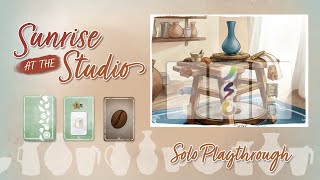
Once cards are selected, players assign resources to their in-progress projects. Each project requires specific clay types, glaze types, and kiln types to complete. The resource conversion system, where two reserve tokens can become any single resource, adds depth to the decision space. Players must balance immediate project needs against reserve building, knowing that unused resources are lost at round's end. The set collection angle emerges through studio challenges, publicly displayed cards that reward players for completing projects of matching clay types, matching glazes, or varied pottery types. These challenges create both a competitive race (first player earns more points) and a cooperative side goal, as Jessica from Pencil First Games demonstrates in her solo tutorial, where she speaks of "a lot of different strategies to think through."
The Sunrise at the Studio Experience
Cozy and Thematic Satisfaction
The game's art and components work together to create what reviewers consistently describe as a cozy, calming experience. DaniCha notes that the game is "a very relaxing solo game" with "a very pleasant theme" and "beautiful" artwork. Paula Deming's stream commentary emphasizes the "cozy, calming aesthetic and theme that reduce frustration," allowing players to engage in what feels like a creative pursuit rather than cutthroat competition. The pottery projects themselves are gorgeous, double-sided cards that flip from blank work-in-progress to beautiful finished pieces, and the satisfying act of completing and flipping these projects is something Jessica highlights as "so much fun" because of how "seeing what you created" unfolds visually on the table.
Meaningful Decisions in a Compact Format
Reviewers praise the decision density relative to playtime. Paula Deming's Twitch co-host jokes about the game being "just under the surface" themed around beating other potters, but what emerges is genuine engagement: each work style choice matters, each resource allocation carries weight, and the order in which you complete projects (determined by their initiative values) creates strategic tension. kovray stresses that "there's like several different mechanics that are layered into this game that often are seen in like heavier strategy games" but notes that in Sunrise at the Studio, "it seems so seamless that you're not really thinking about these mechanics and how difficult or complex they may be."
What Makes Sunrise at the Studio Stand Out
Unique Pottery Studio Theme with Broad Appeal
In a landscape crowded with farming games, worker placement games, and generic resource management, Sunrise at the Studio's pottery theme is genuinely distinctive. kovray observes that the game "invites in a different group of people" because "someone is an expert clay shaper" can engage with the theme authentically, saying "oh I know that kiln, I use that kiln every single day." This thematic specificity extends to the artwork and component design: the resource cubes are marked with a line to resemble boxes or containers, a detail that Jessica notes was a much-debated production decision but one that elevates the aesthetic significantly. The theme is not merely window dressing; it shapes how players think about resource allocation and project completion in a way that feels organic rather than pasted-on.
Satisfying Production Quality and the Pencil First Formula
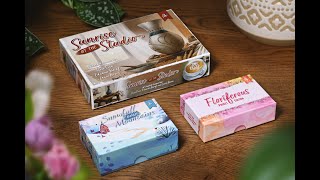
As a Pencil First Games title, Sunrise at the Studio inherits a design philosophy: compact box, beautiful components, meaningful gameplay in 20 minutes. Paula Deming highlights "high-quality components and satisfying showpiece mechanic," while DaniCha's unboxing showcases components that feel premium despite the game's modest footprint. The endgame reward system, featuring a coffee cup awarded to whoever collects the most coffee beans, follows the Pencil First tradition of offering a tangible objective beyond victory points. This formula has proven successful across titles like Herbaceous and Sunset Over Water, and Sunrise at the Studio executes it with grace, delivering what kovray calls "cozy and fun" entertainment suitable for game nights or casual play.
Potential Drawbacks
Rule Complexity and Player Overhead
The simultaneous mechanics, the work style constraint, the friend mechanic in solo mode, and the studio challenge system create a ruleset that looks more complex on paper than it plays in practice. DaniCha's first solo attempt includes some rule corrections mid-stream (incorrectly handling friend triggers, for instance), and reviewers acknowledge that teaching the game requires careful explanation, particularly around when friend actions trigger and how the project order system works. While none of the reviewers characterize this as a fatal flaw, Paula Deming notes that "rule complexity and edge cases may overwhelm new players," and reviewers suggest that the first 10 minutes of a session will involve clarifications.
Strategic Depth Creates Catch-Up Potential
Because work style choices are public and resource cards are partially visible (by passing), skilled players can create situations where their choices meaningfully impact others' options. Paula Deming's stream includes moments where players strategically pass unwanted resources to limit each other's flexibility. While this adds player interaction, some players may find that bad luck or a single poor draft choice (accidentally giving away a high-point project to an opponent) can feel difficult to recover from. The game's brevity mitigates this somewhat; a 20-minute session is short enough that a single mistake doesn't derail fun. Jessica notes that timing "when you want to trigger friend actions" requires careful planning, and players new to the game may stumble on these decisions.
If You Enjoy Sunrise at the Studio
Fans of Sunrise at the Studio should explore Sunset Over Water and Herbaceous, the spiritual siblings from Pencil First Games, which share the same design philosophy of cozy, compact, meaningful play. Calico offers similar satisfaction through set collection and pattern-building, while Bread Basket shares the drafting-and-resource-management core. For those drawn to the game's satisfying component work and project completion loop, Delicious delivers a similar aesthetic of building something tangible. Finally, Biblos appeals to players who loved the simultaneous-action tension and drafting interaction, though with a heavier, more cutthroat feel.
What Reviewers Are Saying
"This game sunrise at the studio mixes these like draft, set collection and like goal completion like really into one tight nit mechanic that feels really smooth, and when I say that I mean there's like several different mechanics that are layered into this game that often are seen in like heavier strategy games, but in this it seems so seamless that you're not really thinking about these mechanics and how difficult or complex they may be."
— kovray
"It's a very relaxing solo game, I like the fact that they call the AI a friend, that's not usual in most solo automas, but yeah it's nice that they're able to take this kind of sharing of resources to help each other, complete projects and then also just this the scoring mechanism up here just kind of balances the competition as well."
— DaniCha
"The beauty of having different themes across different games is we get to invite more people in because all of a sudden if someone is an expert clay shaper they can come in and say oh I know that kiln I use that kiln every single day, and then there's a little bit of communication and community building and more games being enjoyed across the tabletops."
— kovray