







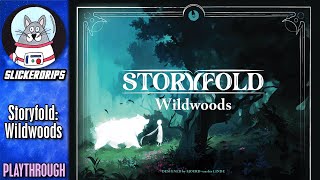
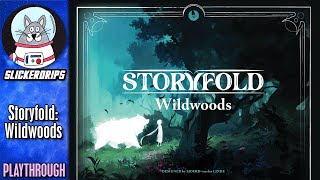



Storyfold: Wildwoods Deep Dive
What the Community Thinks About Storyfold: Wildwoods
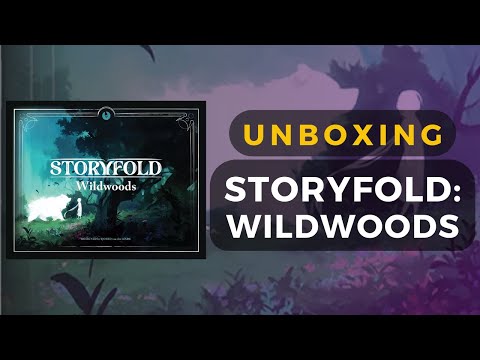
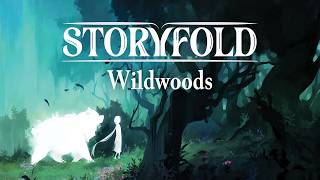
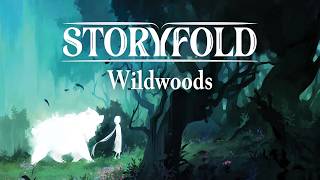
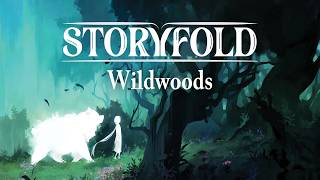
Storyfold: Wildwoods stands out as a distinctly narrative-driven solo experience that weaves mechanics and storytelling into a cohesive whole. Reviewers praise the game's ability to merge puzzle-like decision-making with an unfolding tale that grips players emotionally. The 2024 release from Open Owl Studios has resonated with solo gamers who seek more than dice rolling, players who want a journey with stakes, character development, and moments of genuine tension. The Dice Tower highlighted its clever action-row puzzle, while a solo playthrough series showed how the mechanics and story of Luma and her companion intertwine across chapters.
Core Mechanics That Define Storyfold: Wildwoods
Action Row Management and Positioning
At the heart of Storyfold: Wildwoods lies an elegant puzzle: the action row. Each action card occupies a specific position, and that position determines how many successes you need to perform that action. Cards on the left are easier, but once you use an action, it travels to the back of the line. This creates constant tension between what you want to do and what the current positioning allows. The difficulty shifts as your row rotates, forcing you to plan several turns ahead or accept that some actions become temporarily inaccessible. Enemies further complicate this puzzle by manipulating where creatures sit, sometimes blocking actions entirely and demanding that you prioritize escape over healing or exploration.
Dice, Crystals, and Resource Manipulation
Success in Storyfold hinges on rolling dice and matching threshold numbers, but the game offers rich ways to manipulate results. Helper cards like the Raven can reroll dice, giving you second chances and tactical flexibility. Crystals serve as a premium resource: spend them to boost a single die result or trigger special card effects. The tension escalates because your pool is limited, so choosing whether to spend a crystal now on a mediocre roll or save it for a critical moment later becomes a meaningful decision. Some actions reward you with crystals, creating loops where smart play directly fuels your ability to attempt harder tasks. Every die roll and card draw carries weight.
The Storyfold: Wildwoods Experience
Narrative Progression Through a Flip Book
Storyfold unfolds through chapters presented in a flip-book format, where story cards reveal narrative beats as you advance. Each location presents a scene, a river crossing, a mountain gorge, an abyss, with specific challenges tied to the plot. The narrative is not window dressing; it directly informs your goals. When you face wolves, the story explains why. When you cross a bridge, the card describes the perilous river beneath. The 45-minute playtime maps onto a complete chapter, making each session feel like a self-contained episode rather than a slog toward a distant ending. The story beats reveal visions and mysteries that create emotional resonance, and your success or failure in the mechanics translates directly into whether the journey ends in reunion or tragedy.
Escalating Difficulty and Boss Encounters
As chapters progress, enemies grow more menacing. Early encounters might be straightforward, but later chapters introduce multi-turn boss fights where multiple creatures must be managed simultaneously, one moving toward you while another moves away. Certain positions deliver special effects, and cards can push all creatures backward, undoing your progress. The game escalates tactically and thematically until you are battling shadow itself. The difficulty curve ensures early chapters feel winnable, allowing players to learn the rhythm, while later chapters demand expert resource management, lucky rolls, and sometimes a willingness to accept partial failure and push forward anyway.
What Makes Storyfold: Wildwoods Stand Out
Story-Mechanics Integration Without Compromise
Many narrative games sacrifice mechanical depth for story, and many puzzle-driven games leave narrative as flavor text. Storyfold refuses this trade-off. The mechanics exist to serve the narrative tension. The action-row puzzle mirrors the protagonist's desperation: she wants to heal her companion, but the river of approaching enemies forces her to light and explore instead. The crystal economy reflects her limited reserves. When a card draws a moment of panic, the mechanical penalty reinforces the emotional state the story describes. The game never asks you to suspend disbelief by performing a mechanical task disconnected from what is happening in the narrative.
Clever Enemy Design and Creature Interactions
Enemies are not simple obstacles; they are puzzle pieces. Some creatures named as threats actually function as boons that help you, reflecting the story's theme of unlikely allies. Different creatures have distinct attack patterns and thresholds, forcing you to prioritize which threats to neutralize first. Some punish inefficient play, while others have effects that only trigger at specific positions or under certain conditions. This nuanced design ensures that defeating an enemy often means understanding when to engage it, when to stall, and when to sacrifice one action to prevent a worse outcome later. The bosses reward creative play, but only if you anticipated the challenge several turns earlier.
Potential Drawbacks
Luck Dependency and Occasional Frustration
Storyfold's reliance on dice rolls means that optimal play can still be derailed by poor rolls. The action row is predetermined, so sometimes the action you need is locked behind the action you do not want, and no amount of clever play changes that turn's options. When multiple bad cards draw in succession, momentum stalls despite good tactical choices. The game softens this through reroll boons, but there are only so many reroll opportunities. Players seeking games where skill alone determines victory may find these luck-dependent moments frustrating, even if the overall experience rewards preparation.
Rulebook Navigation and Timing Edges
The complexity of creature timing, specifically whether creatures activate effects before or after spirit loss, and how stunned creatures differ from normal ones, creates moments where the rulebook demands careful re-reading mid-game. Some interactions between multiple creatures are not immediately intuitive, and determining the order of effects requires discipline and attention. For players used to more streamlined rule sets, this level of bookkeeping can interrupt the flow of narrative immersion during tense moments.
If You Enjoy Storyfold: Wildwoods
If Storyfold resonates with you, seek out other story-driven solo adventures that balance narrative with mechanical puzzle-solving. The 7th Continent and Sleeping Gods offer similar blends of exploration and unfolding story. For games that reward resource management and long-term planning, Mage Knight provides an equally demanding puzzle. If you gravitate toward narrative card-driven games, Arkham Horror: The Card Game offers branching stories where your choices shape the outcome, and Spirit Island demands the same systems mastery and forward planning, though with a cooperative rather than narrative focus. The common thread is games that respect both the story players are living and the mechanical challenges they must overcome.
What Reviewers Are Saying
"Storyfold is a solo adventure through a series of challenging decks and locations told through the use of an unfolding flip book. Your character attempts to complete tasks while fending off crafty enemies that mess with your action row. That row determines the difficulty of various types of actions. The farther to the left they are, the easier it is to succeed, but once complete, the action card goes to the back of the line."
— The Dice Tower
"With a flash of light, Luma sent the rams scattering away, but the howls behind her grew louder. Heart pounding, Luma turned her attention to the slippery bridge. Suddenly, a small rabbit emerged from the rocks beside her, its eyes meeting hers. Grateful for the distraction, Luma took a deep breath and stepped onto the bridge."
— Board Games and Lycan
"The bear's eyes were closed, and only a faint shimmer remained in his fur. Dreading the answer, Luma broke the silence. Drawing a heavy breath, the bear lifted his head, gazed tenderly at Luma, and winked. The baby in my visions, it was me."
— Board Games and Lycan