















Zombie Princess Deep Dive
What the Community Thinks About Zombie Princess
Zombie Princess has arrived as a modern reinvention of a centuries-old trick-taking system, and reviewers across the board game community see it as a cleverly designed successor to Rebel Princess. The game distills the essence of Spades while layering on contemporary mechanics that feel both thematic and mechanically fresh. Playtesters from Thinker Them to the Tantrum House crew emphasize that the game works equally well as a competitive free-for-all or as team-based play, scaling smoothly from three to six players. The consensus is clear: Zombie Princess takes a classic card game framework and makes it feel like something new.
Core Mechanics That Define Zombie Princess
Spades-Based Trick-Taking with a Trump Suit Twist
At its heart, Zombie Princess is a modern take on Spades. Unlike Rebel Princess, which adapted Hearts, Zombie Princess reframes Spades into a zombie-fighting scenario. The princes represent the undead threat and serve as the trump suit, but with a constraint: they cannot be led until another player has played one off-suit, signaling they have been "broken out of jail." This restriction forces careful hand management and creates meaningful decision points around when to reveal your trump strength. Bézier Games' design ensures that the suit restrictions feel thematic (you're containing the zombie threat) rather than arbitrary, making the mechanical restriction feel natural within the narrative.
Variable Round Cards and Princess Powers
Each of the four rounds flips a card that introduces a unique rule twist, ensuring no two games feel identical. These round cards might dictate how many tricks players pass to each other, whether certain card values grant skull tokens, or how the final trick plays out. Complementing this is the princess power system: each player selects from two available princesses at the start of the game, each with a special ability. Some powers are always active (like Swan Maiden's skull generation for every two tricks won), while others are one-time uses within a round (like Peashooter's +5 bonus to a single card). The frog prince adds another layer, allowing the player who wins it to retroactively decide whether that trick counts toward their bid. This mechanical layering transforms what could be a rote bidding game into one where every choice carries strategic weight.
The Zombie Princess Experience
Strategic Risk and Tight Decisions
Reviewers consistently highlight the tension between confidence and vulnerability. The skull token system creates a resource-management layer where falling short of your bid incurs a heavy cost (three skulls per missing trick), but going over also stings. Yet those same skulls can be earned through clever play or unused powers, creating a feedback loop where smart earlier decisions offset later bad luck. The bidding phase becomes a moment of real weight: commit too high and you're exposed; bid too conservatively and you waste potential. Playtesters from Before You Play noted the interplay between managing expectations and adapting to the hand you're dealt, noting how the frog prince card in particular can save a bid that seemed doomed.
Escalating Moments and Memorable Plays
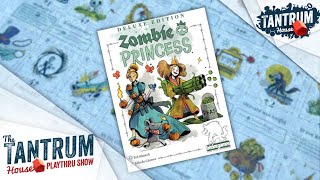
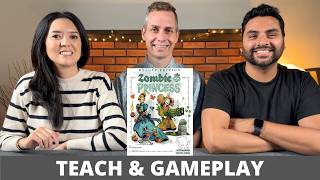
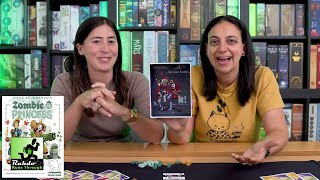
What emerges from gameplay footage and commentary is a game filled with peaks: the moment you land a trick you weren't sure you could win, the satisfaction of successfully "shooting the moon" (bidding zero and actually winning no tricks), or the clever play of using a princess power at just the right moment. The Tantrum House playthrough captures this energy perfectly, with players reacting to both their victories and defeats with genuine investment. The game doesn't feel like you're going through motions; instead, each round feels like a small narrative with stakes, tension, and resolution.
What Makes Zombie Princess Stand Out
Modern Rules Variation Built Into Every Game
While classic Spades relies on the same bidding structure across games, Zombie Princess shuffles in variable round cards that fundamentally shift how each round plays. One round might make you desperately want to capture specific card values; another might penalize you for taking too many tricks of one suit. This design choice sidesteps the staleness that long-term Spades players sometimes experience, ensuring that strategic depth feels fresh rather than exhausted. The variability is significant enough to matter strategically but contained enough that learning the game doesn't become overwhelming.
Thematic Integration Without Gaminess
The zombie theme isn't merely slapped on; it genuinely informs the mechanics in ways that make sense. The princes represent the zombie horde you're fighting, the skull tokens represent resources you've salvaged, and the princess powers reflect each character's unique role in the defense. Reviewers noted that even though the game is mechanically sophisticated, the theme guides your understanding of why these rules exist, making Zombie Princess more intuitive than a generic re-themed trick-taking game. The frog prince, who evolved from a liability in Rebel Princess to an ally in this game, perfectly captures the narrative arc from desperation to resourcefulness.
Potential Drawbacks
Bidding Complexity Under Variability
The combination of variable princess powers and round cards creates a real challenge during bidding: the information asymmetry means you must predict not just the raw strength of your hand, but how this round's special rules will play out. Reviewers occasionally noted moments of hesitation during bidding as players tried to gauge risk; for new players, the interplay between round effects and hand strength can feel overwhelming on the first play. The skull token system, while elegant, adds yet another layer to evaluate when you're trying to decide whether a risky bid is worth three skulls of potential penalty.
Luck Can Overshadow Skill in Short Games
The hand you're dealt carries real weight in Zombie Princess. Unlike some trick-taking games where player interaction and reading opponents creates high-variance outcomes, this game's relatively short four-round structure means that a genuinely bad hand early on can be difficult to recover from, even with clever play. The frog prince and princess powers provide some mitigation, but neither tool completely erases the impact of a weak deal. Players who prize games where skill consistently dominates luck might find that variance plays a larger role than they'd prefer.
If You Enjoy Zombie Princess
If Zombie Princess resonates with you, its predecessor Rebel Princess offers a similar strategic bidding experience with a Hearts foundation instead. The two games share the same elegant approach to adding modern mechanics to a classic card-game core. Spades itself remains the foundational trick-taking game that inspired this version; if you enjoy the bidding and trump-suit dynamics without the variable rules, the classic provides that stability. Players who love the collaborative tension in trick-taking games might explore The Crew: The Quest for Planet Nine, which layers cooperative objectives onto trick-taking mechanics. For those seeking the same modern-classic vibe, Ticket to Ride shares Bézier Games' design philosophy of embedding strategic depth within a theme that never feels pasted-on. Finally, Sweetlands offers another colorful, modern take on a card-game framework for players seeking that fresh-but-familiar feeling.
What Reviewers Are Saying
"So, Zombie Princess is the game of spades. And so with rebel princess we were avoiding taking princes in tricks but that's not the case anymore. We still have the suit which is the zombie zombie prince charmings."
— Thinker Them
"This is a trick-taking game for three to six players that plays in about 45 minutes. And it's actually a sequel to another trick taking game by Bezier called Rebel Princess. Now, just like that game was a take on Hearts, this is a modern take on Spades."
— Before You Play
"We have uh four suits of cards with six players. We're playing 1 to 15 on the cards. And the red suit, the princes are Trump. They will beat out any other colored suit, but the princes are captured at the moment because they are zombies along with the villagers and the animals. And we are trying to um basically take out the zombies."
— Tantrum House