





First-Class Letters Deep Dive
What the Community Thinks About First-Class Letters
First-Class Letters stands out as a remarkably accessible word game that appeals to both solo players seeking a quiet morning activity and groups looking for lively party gameplay. Reviewers consistently praise it as a fresh take on the word game genre that works equally well at any player count. GameHead's solid execution has earned genuine enthusiasm from the community, with players highlighting its portability, quick setup, and the engaging tension of racing against a short sand timer.
Core Mechanics That Define First-Class Letters
The Alphabetical Word-Building System
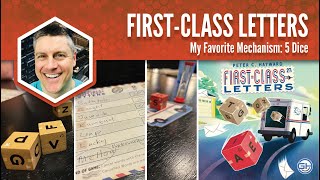
At its heart, First-Class Letters is a roll-and-write game where the alphabetical constraint creates the entire strategic puzzle. Each round, players roll dice, designate one letter as dead (unusable), and work with the remaining letters to form a valid word. The crucial rule is that across all seven rounds, the words you create must be in strict alphabetical order from top to bottom on your sheet. This means you cannot simply play any word that uses your current dice letters; you must also consider what letters your future words will start with. Some rows on the sheet come pre-marked with required starting letters, forcing you to use them if you want to score those positions. This constraint transforms what could be a simple dice-rolling word game into one where planning and foresight matter as much as vocabulary.
Scoring Through Letter Matching and Bonus Multipliers
The scoring system rewards aggressive letter usage. For every die letter you successfully use in your word, you earn one point, and using a letter multiple times scores once per instance, encouraging players to stack the same letters. The bonus multiplier arrives when you manage to use all of your available letters in a single word, which doubles your score for that round. This mechanic creates delicious tension: do you play a safe word with most of the letters, or push for the double? The dead letter adds another wrinkle, as any word using the dead letter is immediately canceled, awarding zero points for the round. GameHead's design ensures that even a single mistake can sting, keeping players focused throughout the game's quick runtime.
The First-Class Letters Experience
A Frantic, Inclusive Multiplayer Party
When playing with others, First-Class Letters transforms into pure multiplayer energy. Once the first player finishes writing their word, a sand timer flips and everyone else scrambles to find a valid word before time runs out. The simultaneous play and strict timer create genuine excitement, with players calling out words, laughing at difficult letter combinations, and celebrating when someone pulls off a full-letter bonus. The game accommodates a remarkable range of player counts, making it equally at home with a couple, a game night group, or a large party. No downtime exists; you are either rolling dice at the start of a round or frantically writing while the timer runs. This accessibility means groups of any size can join, and players of different ages and word-game experience can compete on relatively equal footing.
Solo Play as a Meditative Morning Activity
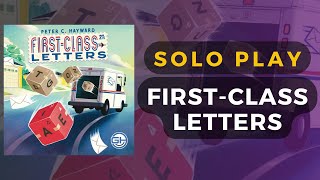
Away from the crowd, First-Class Letters becomes something entirely different: a meditative word puzzle you can enjoy over morning coffee. When playing solo, you flip the timer at the start of each round and write words against that same time pressure, but without competitors. The game provides a scoring reference so you can track your personal best and see how well you performed. Reviewers specifically highlighted this as an excellent alternative to crosswords or word searches, offering the strategic satisfaction of optimizing your word choices against the alphabetical constraint and the bonus multiplier system. Some players laminate their sheets to extend reusability, suggesting this is a game people return to regularly for that quick, solo mental exercise.
What Makes First-Class Letters Stand Out
Elegant Simplicity With Hidden Strategic Depth
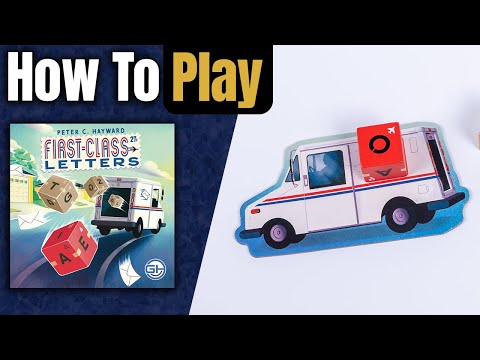
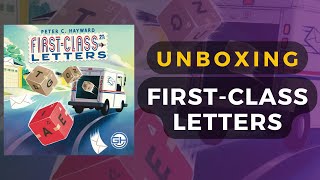
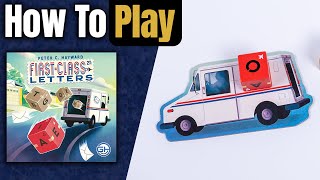
The genius of First-Class Letters lies in how it presents itself as straightforward fun but rewards forward planning and vocabulary. On the surface, it is a roll-and-write party game: roll dice, write a word, score points, repeat. But the alphabetical ordering constraint transforms every decision. You cannot simply optimize for this round's score; you must consider which letters you will need later. This creates a puzzle that deepens through play without ever requiring a long rulebook or complex turn structure. Players can grasp the core concept in seconds, but mastering the tension between present scoring and future flexibility takes many games. GameHead's physical presentation supports this elegance: simple dice, a charming mail-themed board, plain player sheets, and a portable box mean no lengthy setup stands between you and playing.
Remarkable Flexibility in Difficulty and Variants
First-Class Letters ships with multiple variants that adjust the experience without changing the core flow. A gentler variant removes the dead letter entirely, lowering difficulty and increasing accessibility for younger players or those seeking a more relaxed game. A tougher variant introduces a mandatory letter you must use or lose your entire word for that round, raising tension and strategy significantly. The inclusion of solo and cooperative options within the same box means you get multiple distinct experiences depending on your mood and group. Reviewers appreciated this flexibility, noting that the easy-to-teach base game becomes a platform for exploration. Difficulty can be adjusted on the fly by tweaking the timer, including or excluding the dead letter, or changing which letters appear on which special rows.
Potential Drawbacks
Vocabulary and Dead Letter Luck
First-Class Letters succeeds or fails largely on vocabulary breadth. Players who love word games will thrive, finding the letter combinations and alphabetical constraints genuinely engaging. But players weaker in vocabulary, or those from non-English backgrounds, may feel frustrated when difficult letters arrive with no obvious words in mind. The dead letter, while clever for creating tension, can feel punishing when a useful vowel is prohibited and your word options collapse. Some rolls of difficult consonants and uncommon combinations can spike frustration rather than excitement, especially in the early rounds when players are still calibrating strategy.
The Timer Pressure
The sand timer creates the game's most energetic moment but also its most divisive one. For some groups, the pressure is pure fun and laughter. For others, the time crunch breeds anxiety, particularly for players who need extra seconds to think through alphabetical options or confirm word validity. The game allows you to omit the timer if desired, but doing so shifts the tone entirely, removing the race element that gives multiplayer rounds their frantic joy. Solo players committed to the timer against themselves may find it unnecessary and reduce their play of the solo variant as a result.
If You Enjoy First-Class Letters
If you love the word-building puzzle of Bananagrams or Scrabble, First-Class Letters offers similar vocabulary satisfaction with a smaller footprint and faster pace. Those drawn to roll-and-write games like Welcome To... or Qwixx will find the same satisfying dice-to-sheet workflow, but with words replacing numbers. If you enjoy party games that include solo modes, Just One offers similar versatility for groups of varying sizes. For players seeking a meditative morning puzzle in physical form, First-Class Letters is a tactile alternative to crosswords and daily word apps.
What Reviewers Are Saying
"It's another one that I think is a great kind of solo cup of coffee game that you can do in the morning just to kind of get going, get woken up. A lot of people do a crossword. This is another great option."
— Watch Review
"So it's a fun game. It's a great take on a word game. I really enjoy it. Like I said, I think it's a great solo activity as well as a multiplayer game."
— Watch Review
"The more you're able to use them, the higher you'll score. But be careful not to use a dead letter, as it'll cancel out your entire word."
— Watch Review