











One-Hit Heroes Deep Dive
What the Community Thinks About One-Hit Heroes
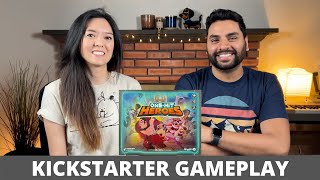
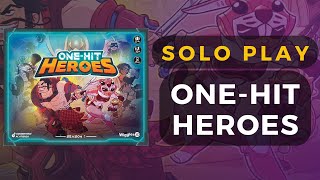
One-Hit Heroes has emerged as a surprisingly compelling cooperative game that punches well above what its whimsical concept suggests. Reviewers across Tantrum House, Before You Play, and Board Games Unlocked agree the game's premise sounds deceptively simple, yet delivers tactical depth that rivals heavier titles. The most consistent praise centers on how the game evolves: what feels like a "for babies" experience in early turns transforms into genuinely tense decision-making as players navigate the interplay between damage output, aggro management, and item conservation. The cooperative asymmetry resonates strongly with families and hardcore gamers alike, with multiple reviewers noting that their children engaged as meaningfully as adults at the table. The game's rapid reset loop also attracts players fatigued by randomness in heavier titles, since losing a run takes only minutes to replay.
Core Mechanics That Define One-Hit Heroes
The Aggro System
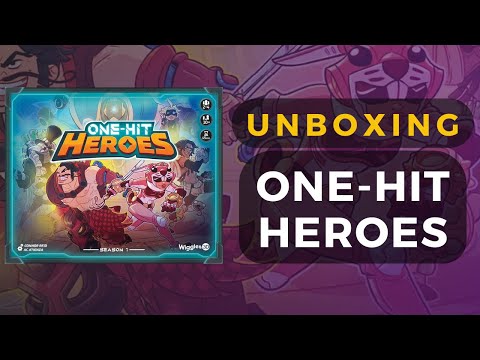
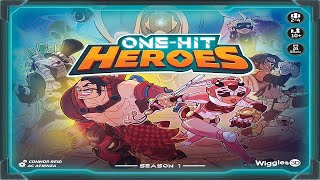
At One-Hit Heroes' heart lies a brilliantly inverted threat mechanic: every point of damage you deal to the boss inflates your own aggro bar. Rather than players accumulating hit points to weather attacks, each hero begins with no health pool at all. Instead, the boss rolls a die each turn; if the result matches a color section on your aggro track where you've accumulated tokens, you take a hit. This creates asymmetric pressure: the more aggressively you attack, the more likely you are to draw the boss's attention. Reviewers call this system "your own fault if you don't manage aggro," making tactical restraint and offense timing core to the experience. Players can spend energy through action cards to reduce their aggro, and characters like Sophia (the sniper) specialize in aggro management, while others like Roro (the claw robot) excel at offensive damage. This resource interplay forces genuine cooperation, because the team's collective offense compounds individual risk.
Deck Building Through Drafting
Rather than construct decks before play, One-Hit Heroes distributes cards dynamically. Each hero starts with a small identical starter deck, and when the team defeats a boss, they open a card pack and draft two new cards per player into their individual decks. This armory system transforms repeat plays into a progression experience that rivals roguelike video games. Reviewers emphasize that the drafted cards create meaningful asymmetry between heroes: one player might build toward heavy damage with weapons, while another accumulates action cards for energy generation and aggro control. The system also ensures replayability, because defeated bosses' cards seed a growing pool for future episodes, encouraging players to experiment with new combinations and discover emergent synergies between their expanding card collections.
The One-Hit Heroes Experience
Tension That Escalates Organically
The game manufactures memorable moments of genuine suspense through its die-based resolution. When a boss rolls the attack die, it can land on "hit" (guaranteed damage regardless of aggro), a color match (damage only if your aggro reaches that color), or "miss" (universal safety). This binary nature means a losing scenario can arrive in one turn if luck breaks wrong, yet the quick setup mitigates frustration. Reviewers describe the play loop as building tempo across a round: players position their aggro carefully, coordinate card plays to manage collective threat, weather the boss's response, and reset through a card pack opening that feels like a small victory. The episodic structure, where four bosses arrive in a single sitting, compounds this rhythm, creating natural climaxes without demanding hours of commitment.
Strategic Cooperation and Character Synergy
One-Hit Heroes forces genuine teamwork by making aggro management a shared problem. A character who deals heavy damage is almost useless alone; they need partners who can burn down their risk or absorb attacks through cards that damage the boss without generating personal threat. Reviewers highlight how each hero's asymmetric starter deck creates distinct playstyles: the plague doctor synergizes with card discard, the bunny ninja leverages flexible action combinations, and the sniper rifles on consistent die rolls plus personal aggro reduction. This forces table talk about who should attack when, who can afford to generate aggro this turn, and which player's action card can best support the group. The experience feels collaborative rather than competitive, with the boss as the unified threat.
What Makes One-Hit Heroes Stand Out
Boss Variety and Memorable Encounters
Each boss feels like a distinct puzzle rather than a stat check. Punchbot creates straightforward aggro pressure with a simple attack pattern; Cratebot introduces minions (crates) that can be destroyed into shield items, forcing players to reconsider their damage allocation; Giant Bomb features a passive that prevents aggro gain but adds a timer (you must win by turn seven or "Kaboom"), demanding urgency and new tactical thinking. Reviewers universally praise how bosses are thematically coherent within their episodes and mechanically unique. The mystery-box structure, especially on first playthroughs, keeps victory uncertain even for seasoned players, and the unique mechanics per boss ensure the game doesn't feel like players simply executing the same strategy four times per episode.
Roguelike Pacing and Reset Value
The game solves a persistent problem in board gaming: how to capture the snappy failure-and-retry loop of roguelike video games. Reviewers note that losing a boss takes minutes to reset, so the game avoids the randomness frustration that plagues heavier titles. If the die roll betrays the team and you suffer a surprise loss, setup is quick enough that running another attempt feels organic rather than punishing. The armory system also rewards repeat plays within a single session, as players experiment with newly drafted cards and discover combos they couldn't execute with starter decks. This rapid iteration and discovery loop appeals to both casual players seeking an easygoing evening and competitive players chasing optimized plays through knowledge of the boss deck and synergies.
Potential Drawbacks
Dice Randomness and Unpredictable Difficulty Spikes
The attack die is unforgiving. It features three outcomes: guaranteed hit, color-based hit, and miss. Some bosses are genuinely more difficult than others depending on hero combination, and there is no scaling difficulty. Reviewers mention scenarios where specific hero pairings struggle to output enough damage before aggro becomes unmanageable, or where the die roll against them cascades into a loss regardless of tactical play. While the quick reset mitigates frustration, players who dislike randomness determining outcomes or who prefer longer, grindier victories may feel the game punishes careful play too harshly when variance turns unfavorable. The cooperative nature also means one unlucky sequence can deflate the whole table if the boss's turn rolls a string of hits when everyone is vulnerable.
Hero Variety and Uneven Matchups
The game comes with six heroes, and while their starter decks differ, the core playstyles converge if players aren't thoughtful about composition. Some hero combinations feel overmatched against specific bosses, and there's limited recourse beyond re-reading cards and hoping the armory offers a fix in the next round. Reviewers note that while characters feel distinct enough to matter, the variety ceiling is lower than larger deck builders. The game also doesn't offer difficulty scaling (beyond the solo mode), so a table looking for a tougher challenge after mastering the base tactics faces a limited upgrade path without expansion purchases.
If You Enjoy One-Hit Heroes
Reviewers who love One-Hit Heroes are drawn to a specific combination: quick cooperative setup, a card-drafting engine that grows between fights, and a rapid reset loop when a run goes wrong. Players who enjoy roguelike video games for their snappy failure-and-retry rhythm will recognize that same appeal here, translated into a tabletop format where losing a boss costs minutes rather than hours. The armory system's escalating card packs also reward the kind of deckbuilder who likes discovering new synergies each session rather than committing to a fixed strategy from turn one.
What Reviewers Are Saying
"Your first play is going to feel like is this for babies? But it really opens up and that is one hit heroes. Every time you take damage, you actually lose one of your items. And then when you have no items, you lose if you get hit. What's really cool is all the damage that you deal to the boss ends up going onto your threat track, this aggro meter that increases the odds of you actually taking damage. So it is kind of your own fault if you don't have ways to reduce your aggro."
— Board Games Unlocked
"It gives this really quick roguelike feel that I very much appreciate. It's very hard to do a roguelike in board games because you don't have that snappy quick reset like video games give you the luxury of. This game does a pretty damn good job of capturing that."
— Board Games Unlocked
"Definitely a bit of a team up where you would help each other. There's lots of ways to remove aggro from all players or something like that. Give people card draw and I'm really enjoying it. Very simple to play but yeah, let me know if I made any mistakes. A fun fun game and definitely easy to manage solo."
— Danielle's Solo Playthrough