/pic342451.jpg)

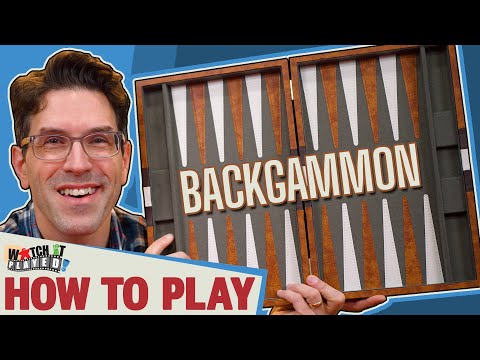









Backgammon Deep Dive
What the Community Thinks About Backgammon
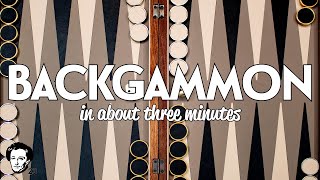
Backgammon stands as one of the world's most enduring two-player games, regarded alongside chess and Go as a timeless classic played by millions across the globe. What distinguishes backgammon from many modern board games is its unique balance of accessibility and strategic depth. The game is both simple to learn and yet demands serious tactical play from experienced competitors. Some modern board gamers dismiss backgammon as a dice-chucking luckfest, yet expert players around the world engage in intensely competitive matches that reveal the genuine skill required to master this ancient game. As reviewers at 3 Minute Board Games and No Rolls Barred emphasize, the community recognizes backgammon as an excellent game of tactical control and risk management, where understanding position and knowing when to take calculated risks separates novices from champions.
Core Mechanics That Define Backgammon
Dice-Driven Race Movement
The heart of backgammon is its elegant dice mechanism. On each turn, players roll two dice and move their checkers around the board in opposing directions, with the object of collecting all 15 pieces into their home board section before bearing them off the other end. The key mechanic involves rolling two dice and moving one or both results, requiring players to make continuous decisions about which checkers to advance and which moves to prioritize. When a player rolls doubles, they move four times that number instead of two, creating moments of sudden tactical advantage or disadvantage. The spatial layout of the board, divided into 24 points organized into four sections, means that every die roll presents constrained but meaningful choices about positioning.
Hitting and the Doubling Cube for Stakes
Backgammon introduces the concept of blots (single unprotected checkers) that can be hit and sent back to the bar, forcing opponents to re-enter from scratch. This creates a push-your-luck dynamic where players must weigh the benefit of an aggressive position against the risk of leaving checkers vulnerable. The optional doubling cube allows players to raise the stakes of a game at any point, introducing an additional layer of psychological play. A player confident in their position can offer the cube, doubling the final score. The opponent can accept the doubled stakes and take control of the cube, or refuse and concede the current score at face value. This mechanism transforms what might be a foregone conclusion into a tense negotiation over whether to risk more for a chance at victory.
The Backgammon Experience
Ancient and Sophisticated
Backgammon belongs to a family of games whose origins stretch back thousands of years. The earliest recognizable ancestors of the game appear in bronze age archaeological sites, and the game's lineage connects to Ur and other ancient racing games involving dice. This historical pedigree gives backgammon a sense of timelessness and gravitas that few modern games possess. Unlike the flash and novelty of contemporary releases, backgammon has proven its worth across millennia, passed down through generations of players from emperors to casual gamers in modern times.
Knocking Opponents Back: The Satisfying Core
One of the most memorable aspects of the backgammon experience is the moment when a player lands on an opponent's unprotected checker, forcing it back to the bar. This mechanic delivers instant gratification and creates memorable swings in fortune. Beyond the mechanical satisfaction, the bearing-off endgame can grow frustrating in close matches, as the tactical positioning of the early and middle game gives way to pure racing luck. Still, the journey toward that final endgame, full of positional battles and risk assessment, defines what makes backgammon engaging for players who appreciate depth beneath its simple-looking surface.
What Makes Backgammon Stand Out
Luck and Skill Intertwined
Backgammon's defining feature is how it manages the tension between chance and player agency. The dice introduce genuine randomness, yet expert play involves manipulating position to make that randomness work in your favor. A skilled player builds safe points, constructs barriers against opponent advancement, and maximizes the value of every die roll. When an inferior position faces a run of good rolls from an opponent, the losing player must accept defeat with grace, knowing that the next match will continue. This combination of short-term luck and long-term skill creates a game that rewards both the thrill of gambling on favorable odds and the intellectual challenge of strategic planning.
Accessibility and Depth
Learning backgammon takes roughly 30 minutes if taught clearly. The basic rules are straightforward: roll dice, move your checkers, bear them off when they reach home. Yet beneath those simple rules lies genuine complexity. Building primes (consecutive points occupied by your pieces), timing when to offer the doubling cube, and deciding whether to hit an opponent's checker or build a safer position all demand thought and experience. The game works equally well for a casual evening with friends and for serious competitive play with significant stakes. Many people find that a toy store backgammon set costs very little, and the game is freely available to play online, making it accessible to anyone willing to learn.
Potential Drawbacks
The Luck Factor
The reliance on dice rolls means that bad luck can derail even strong play. A player who has built the superior position might face an unlucky stretch of rolls that swings the game toward an opponent who rolled better. In close games especially, bearing off becomes a pure race where dice determine the outcome rather than tactical skill, which can frustrate players who prefer strategy-heavy games.
Variable Game Length
The length of a backgammon match depends heavily on how willing players are to offer and accept the doubling cube. Without doubling, games tend toward the shorter end. With aggressive doubling, a single game can stretch on substantially. Players benefit from discussing expectations before sitting down, particularly if playing for stakes of any kind.
If You Enjoy Backgammon
If you appreciate the dice-driven racing of backgammon, you may also enjoy Chess, which shares the deep positional play but replaces luck with pure determinism. Go offers similar cerebral mastery and timeless appeal. Catan brings modern resource management to the dice-rolling mechanic while preserving player agency. Uno delivers fast card play with simple rules and push-your-luck decisions, though without backgammon's depth. Llama offers a pocket-sized game of card play and risk assessment, where knowing when to quit matters more than what you hold.
What Reviewers Are Saying
"Backgammon is an ancient game. When people talk about old classics it's normally mentioned immediately after chess and Go, and that's because it's a global game with a fan base in the millions, with a staggering amount of games played online each and every day."
— 3 Minute Board Games
"For me backgammon is an excellent game about tactical control and managing risk. While you can get a fancy board, it's free to play online and a toy store set will cost you very little. The best thing about this game is knocking someone else's checker back to the bar; it's super satisfying."
— 3 Minute Board Games
"Some historians believe those dice could be used to play the Royal Game of Ur, which is often regarded as backgammon's great granddad. Common ancestors of backgammon are ludicrously old, with similar boards, dice and stones being found in bronze age dig sites."
— No Rolls Barred