/pic6973676.png)





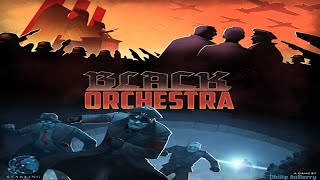












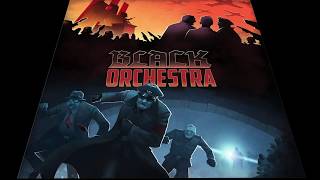












Black Orchestra Deep Dive
What the Community Thinks About Black Orchestra
Black Orchestra has generated passionate discussion within the board gaming community, particularly around its willingness to engage with dark historical subject matter. Reviewers consistently praise the game for moving beyond thematic window-dressing to create a mechanically coherent experience around conspiracy and assassination. The game resonates most strongly with players who appreciate thematic depth married to meaningful mechanical design, though some find the subject matter challenging regardless of the execution.
Core Mechanics That Define Black Orchestra
Cooperative Assassination
At its heart, Black Orchestra is a cooperative game where players work together toward a single goal: eliminating Adolf Hitler. Unlike competitive games, success requires genuine collaboration. Players must coordinate their actions, share resources, and plan together across multiple turns. This cooperative structure creates a natural team dynamic where players feel responsible not just for their own actions but for the collective mission. The shared objective transforms what could be a puzzle game into an experience of unified purpose.
Suspicion and Secrecy Management
What separates Black Orchestra from other cooperative games is its emphasis on maintaining cover. Rather than racing against time or a spreading crisis like pandemic games, Black Orchestra centers on keeping suspicion low while building toward action. Players must balance being active enough to advance the conspiracy while staying under the radar of enemy forces. This creates a different tension entirely, a patient building dread rather than frantic scrambling. Each conspiracy card drawn, each movement taken, each resource collected carries weight not just for tactical advantage but for the risk it introduces.
The Black Orchestra Experience
Nervous Tension Through Careful Planning
The game creates tension through deliberation rather than chaos. Players spend turns in discussion, planning, and preparation, knowing that a single suspicious action could compromise the entire conspiracy. This patient approach means the game feels fundamentally different from the real-time panic of other cooperatives. Instead, players experience the grinding anxiety of people who must act normally while harboring a dangerous secret. When suspicion rises, the weight becomes palpable. The mechanics force thoughtful conversation about how to proceed without drawing attention, making the social element integral to success.
Dramatic Climax Through Failed Attempts
Black Orchestra excels at creating narrative moments through its assassination mechanics. The game doesn't just end when Hitler is killed, it builds toward that moment through multiple potential attempts. Players devise plots, gather resources, position themselves strategically, and then attempt to carry out their plan. Failed attempts create memorable stories. A poisoning that goes wrong because Hitler ate something different. A bombing attempt where the target's schedule changed unexpectedly. An abduction that falls through at the last moment. These failures aren't frustrations but dramatic beats that make eventual success feel earned and satisfying, as reviewers frequently emphasize the reward of finally succeeding after careful preparation and multiple setbacks.
What Makes Black Orchestra Stand Out
Backup Plans Create Safety and Drama
The game's design encourages multiple simultaneous plots. Players working together develop not just one plan but several, ensuring that if one assassination attempt fails, others remain viable. This creates fascinating strategic interplay where the team must balance resources between different conspirators and different approaches. Having backup plans in place provides psychological safety even as suspicion rises, and there's genuine satisfaction when a late-game backup plan finally succeeds after earlier attempts have failed.
Mitigation of Dice Randomness
The final assassination attempt comes down to a single dice roll, which could feel arbitrary in many games. Black Orchestra mitigates this through careful design. The entire game is structured around improving those odds before the final moment arrives. Players collect equipment, increase motivation, reduce Hitler's military support, and build their conspiracy to maximize their chances of success on that critical roll. The randomness isn't a flaw but the point. The game is entirely about managing risk and maximizing probability through clever play, so when the final roll comes, it feels like the natural culmination of careful planning rather than random chance.
Potential Drawbacks
Pacing Challenges During Mid-Game
With Hitler's military support high early in the game, he remains nearly untouchable for extended periods. This creates a long mid-game where players are preparing but not yet able to mount realistic assassination attempts. For some groups, this patient build-up feels rewarding and thematic. For others, the extended preparation phase feels slow and overly cautious compared to the crisis-driven pace of pandemic-style cooperatives. The game asks players to embrace a different tempo than many modern cooperatives offer.
Heavy Theme May Alienate Players
The game's subject matter, while historically grounded and handled with thematic weight, is not appropriate for all groups or occasions. Assassination, fascism, and the Holocaust are serious topics, and the game doesn't shy away from them. Players need to come to the game with the appropriate mindset and emotional capacity to engage with these themes meaningfully. For some, this depth is exactly why the game resonates. For others, even a well-executed mechanical approach to these subjects feels uncomfortable, and that's a legitimate response.
If You Enjoy Black Orchestra
Players drawn to Black Orchestra's combination of historical grounding, cooperative tension, and thematic resonance might explore several related games. Zombicide offers cooperative gameplay with a similar sense of mounting pressure, though in a very different thematic space. Arkham Horror delivers atmospheric cooperative tension and thematic depth, though with more chaos and less strategic planning. This War of Mine presents darker thematic material through cooperative play. Freedom: The Underground Railroad shares Black Orchestra's historical grounding and moral weight while focusing on escape mechanics. Watergate delivers intense two-player cat-and-mouse tension in a historical setting. Undaunted Normandy combines tight cooperative play with historical authenticity through its deck-building approach.
What Reviewers Are Saying
"The satisfaction of killing him after all hiding plotting planning and failed attempts was superb, five stars would shoot Hitler in a back alley again."
— 3 Minute Board Games
"Black Orchestra is far more patient, it's about keeping your head down not raising suspicions and being in the right place at the right time to finally act, and that gives it a totally different sense of tension."
— 3 Minute Board Games
"The whole idea of the game is making sure that you're mitigating the randomness of that final dice roll, keeping all of the different tracks in the right place, get all the right items so that you can make the randomness go from almost impossible down to very likely."
— The Secret Cabal Gaming Podcast