/pic1918028.jpg)
/pic8584959.jpg)
/pic3152346.jpg)
/pic1918028.jpg)













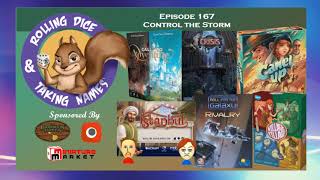


































Camel Up Deep Dive
What the Community Thinks About Camel Up
Camel Up stands out in the racing and betting game space as a title that generates genuine excitement from players across the hobby spectrum. Reviewers consistently praise the game's ability to engage players of varying experience levels while creating surprising moments that keep the table engaged throughout play. The pyramid dice shaker serves as both functional mechanism and conversation piece, immediately drawing players into the game's unique physicality. What emerges across the community is appreciation for a game that doesn't take itself seriously but executes its core premise with surprising sophistication. The consensus is clear: Camel Up is accessible, memorable, and reliably produces the kind of moments that become table stories.
Core Mechanics That Define Camel Up
Stacking and Movement
The foundational mechanic that sets Camel Up apart is the stacking system where camels can stack on top of each other as they move around the track. When a camel lands on a space occupied by another camel, it climbs aboard, creating precarious towers that shift positions as the stack moves. This creates a dynamic where a single die roll can dramatically alter the entire board state. A camel that appears to be in last place can suddenly vault into contention simply by stacking under a leading camel. This mechanic generates the kind of unpredictable board positions that keep players constantly reassessing their betting strategies and creating moments of genuine surprise. Two special camels move in reverse, adding another layer of chaos to an already unpredictable system.
Betting and Speculation
The betting system forms the strategic core of Camel Up. Players place leg bets on which camel will win each individual race leg, with higher-risk bets available for early speculators. Players can also place end-race bets on overall winners and losers, speculating on the final positions before the race concludes. The gold coins that serve as bets accumulate value the longer they remain uncollected, rewarding players who hold their positions strategically. This creates tension between locking in safe bets and pushing luck for higher rewards. Spectator tiles allow players to place a tile on the track that nudges camels forward or backward while scoring a bonus coin. Players must constantly read the board state, watching stack formations and predicting how remaining movement will shake out. Unlike pure racing games, Camel Up succeeds because the betting layer gives meaning to every movement and creates investment in outcomes beyond just which camel reaches the finish line first.
The Camel Up Experience
Accessibility Meets Strategic Depth
Players consistently report that Camel Up teaches quickly and plays smoothly, making it an exceptional entry point for newcomers while remaining engaging for seasoned gamers. The turns move at a brisk pace, with each player simply choosing whether to take a pyramid die roll or draw a betting card. Despite this simplicity, the game creates emergent complexity through the interaction of stacking mechanics and betting decisions. Groups report that even players new to the hobby grasp the stakes by the second or third round, though deeper strategic thinking around expected value calculations and stack positioning develops with repeated plays. A player's action options are limited to five core choices, each teaching in about ten seconds, making the entire game teachable in under a minute.
Social and Chaotic Play
The physical dice shaker creates a ritualistic element that keeps the table engaged even during other players' turns. Everyone watches as someone shakes the pyramid and the die tumbles out, not knowing which camel will move or how far. This shared anticipation generates laughter and memorable moments as unexpected stacks form and betting positions shift dramatically. The game thrives on this collaborative uncertainty where everyone's outcome depends on die rolls and betting wisdom rather than complex strategic calculations. It's the kind of game where a player holding the right betting card at the right moment can turn a losing position into triumph, creating table talk and replayability. The absurdity of camels stacking on top of each other, combined with spectator interference and reverse-moving camels, creates moments where the entire table stands up and celebrates a dramatic comeback.
What Makes Camel Up Stand Out
Elegant Physicality and Memorable Components
The pyramid dice shaker stands as perhaps the most iconic board game component of its era, immediately identifiable and deeply functional. Beyond novelty, the physical act of shaking and releasing a die creates ritual and engagement that keeps the table present. The camel tokens stack naturally, and watching a tower grow taller with each movement creates visual and tactile satisfaction. Reviewers note that the component quality supports the play experience rather than overshadowing it. The game doesn't hide complexity behind attractive production; instead, clean graphic design and intuitive player aids make decisions transparent even as the board state grows chaotic. The pyramid is not just a randomizer but the table's focal point every single turn.
Replayability Through Uncertainty and Betting
No two games of Camel Up follow the same trajectory because the pyramid die creates genuine uncertainty about movement sequences. Players cannot optimize for a specific board state since they don't control when each camel moves. This unpredictability, combined with the betting system, ensures that different strategies emerge across plays. One session might reward aggressive early betting while another punishes it as unexpected stacks reverse fortune. Groups report strong replay appeal because each play feels distinct, yet the core decision space remains focused enough that players improve their betting intuition over time. The game won the Spiel des Jahres in 2014, validating its appeal across diverse player groups.
Potential Drawbacks
Chaos Over Strategy for Some Players
While many players embrace Camel Up's chaotic energy, others find the heavy reliance on die rolls frustrating. The stacking mechanic, while creating memorable moments, means skilled players cannot guarantee optimal outcomes through clever positioning. A perfectly logical betting decision can be undone by an unexpected die roll. Players who prefer games where strategy dominates luck may find Camel Up feels too random. The betting layer provides some strategic control, but ultimately the camel movements remain outside player influence, which some experience as limiting agency. Experienced players recognize that the randomness fundamentally prevents dominant mastery, keeping success somewhat elusive.
Player Count Sensitivity
Reviewers note that Camel Up reaches its full potential with larger groups. At lower player counts (two to three players), the game is functional but loses much of the social energy that makes it memorable. The betting ticket pool depletes more slowly, competition for favorable bets decreases, and the communal moments that define the experience become harder to generate. With four to six players, the game shines brightest as each die roll impacts multiple competing interests. Some special game actions only activate at specific player counts, suggesting the designer optimized for mid-to-large groups. Solo or two-player sessions work mechanically but lack the spontaneous table reactions that make Camel Up special.
If You Enjoy Camel Up
Players drawn to Camel Up typically appreciate games combining accessibility with memorable components and social interaction. Downforce offers deeper racing-betting mechanics with card-based car movement. Heat: Pedal to the Metal delivers racing with meaningful strategic decisions about gear management and fuel allocation. Quest for El Dorado shares racing appeal with deck-building strategy. Manila provides a comparable betting-race experience where players speculate on cargo delivery. Splendor matches the accessible decision-making and betting-like resource acquisition. King of Tokyo captures the party game energy with direct interaction. Ticket to Ride delivers accessible route-building excitement with strategic competition for resources.
What Reviewers Are Saying
"Camel Up is easy to learn because gambling is already taught by our risk-prone culture. You're betting on camels and it's a race. All you need to know is the five possible actions, and since each action takes about ten seconds to teach, that's less than a minute to demonstrate the full game."
— Meeple University
"The pyramid is remarkable because people look at it as a little bit frivolous at first glance, as though it were a toy rather than a game. But this impression dissolves immediately on first play. It gives the game a physical presence and makes everyone ask what's going to happen every single turn."
— Going Analog
"The more players the better. Camel Up shines as a late-evening social game where the unpredictability makes everyone react together. You can have positions that look hopeless reverse in a single die roll, and those moments are where the game creates the most memorable experiences."
— BigPasti