/pic3251870.jpg)
/pic6974629.jpg)
/pic3251870.jpg)

























Fireball Island Deep Dive
What the Community Thinks About Fireball Island
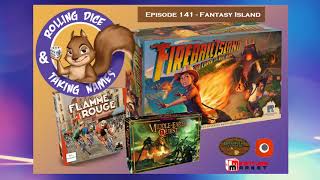
Fireball Island occupies a unique place in the modern board game landscape: it is beloved not for mechanical sophistication, but for the pure joy it creates at the table. The 2018 Restoration Games reprint of the 1986 classic, titled The Curse of Vul-Kar, has found its voice as a game that thrives on spectacle and chaos. BoardGameGeek champions it unabashedly as one of the funnest games out there, while Allies or Enemies frame it as the perfect silly, social game for a summer evening. Reviewers agree it works best when players embrace its unpredictability and humor rather than seeking competitive depth.
Core Mechanics That Define Fireball Island
Marble Flicking Meets Adventure
At its heart, Fireball Island is a dexterity game built around rolling and flicking marbles. Players move their explorers across the three-dimensional island by playing movement cards, racing to grab treasures and snap photographs before reaching the helicopter to escape. The real tension arrives when fireballs enter the picture: the marbles tumble down channels and can knock characters over, forcing them to drop treasure. BoardGameGeek emphasizes that this is where the chaos lives, with players flicking marbles at each other and reveling in the carnage. The modern reprint wraps genuine game structure around this tactile spectacle, turning a childhood toy into an actual race with stakes.
Vul-Kar and Controlled Randomness
The centerpiece of the island is Vul-Kar, the looming idol with a chute running through its head. Marbles dropped into Vul-Kar tumble through unpredictable pathways and erupt from different points around the board, so the same action can produce wildly different results. The channels double as tracks for fireballs, meaning Vul-Kar's eruptions shake the entire island: characters topple, treasures scatter, and the board becomes a living, dynamic space. Reviewers consistently point to this idol as the engine of the spectacle that makes Fireball Island memorable.
The Fireball Island Experience
Tactile Engagement and Table Presence
What separates Fireball Island from countless other adventure games is its demand for physical participation. Allies or Enemies put it bluntly: you cannot sit in your chair for this game. Players are constantly reaching, flicking, adjusting characters, and reacting to marble rolls. The molded mountain board is not mere set dressing; it is the stage on which the game unfolds. The satisfying click of marbles rolling down channels and the visual drama of the eruptions combine into an experience that feels more like a shared activity than a traditional competitive game.
Embracing Chaos and Silliness
The modern reprint leans hard into what reviewers call its silliness and dumb fun. Optional modules let spiders and snakes shoot from Vul-Kar alongside the marbles, adding even more unpredictability. The game rewards players who accept that outcomes will sometimes feel arbitrary, that losing a treasure to an unlucky marble is part of the fun. Allies or Enemies describe it as the ideal late-evening, low-stakes game for getting people laughing and moving about, a game that celebrates chaos rather than apologizing for it.
What Makes Fireball Island Stand Out
From Activity to Actual Game
The original 1986 Fireball Island was, by most accounts, more of an activity than a game. The 2018 Restoration Games reprint addressed this by adding card-driven movement, victory conditions, and genuine decisions about when to grab treasure versus when to flee. Reviewers who played the original note that the new version becomes a real game while preserving the tactile magic that made the toy memorable. The reprint does not strip away the chaos; it provides structure around it, with scorable treasures and a race to the helicopter that creates real urgency.
A 3D Board as Game Design
The molded three-dimensional island is the game's central design innovation, not a gimmick. Unlike flat boards where pieces move predictably, the terrain creates emergent interactions that only physics can produce. Marbles roll according to gravity and the contours of the mountain, and fireballs follow channels that also serve as character pathways. The board commands attention and creates natural focal points for group engagement, which reviewers describe as central to the game's appeal.
Potential Drawbacks
Unpredictability as a Ceiling
For players seeking tight, strategic gameplay, Fireball Island's embrace of physical randomness can frustrate. Outcomes are sometimes decided by marble physics rather than player decisions, and a well-laid plan can unravel because a marble rolled the wrong way. Reviewers frame this as the game's intended nature rather than a flaw, but anyone who prizes mechanical control and deterministic outcomes will find that Fireball Island simply is not built for them.
Requires Buy-In From Everyone
Fireball Island works best when all players are invested in the fun and chaos. Someone determined to optimize and win decisively can clash with a table playing for laughs, and the experience falls flat if the mood is not shared. The marble-flicking also asks for a degree of physical dexterity and table space, so players who dislike kinetic games or have limited reach may not enjoy the elements that are most central to the experience.
If You Enjoy Fireball Island
Reviewers who love Fireball Island tend to gravitate toward other tactile, experience-first games. Crokinole shares the flicking mechanic while demanding more precision and skill. Stacking and balance games like Rhino Hero and Animal Upon Animal deliver similar moments of physical tension and laughter. For the chaotic, social energy without the dexterity focus, King of Tokyo offers push-your-luck mayhem with a playful theme. And for another game built around a striking three-dimensional board, Camel Up brings comparable table presence and group excitement.
What Reviewers Are Saying
"It is so silly. It's so fun. It's so good. I love Fireball Island. This is one of those games where you just got to give in to the chaos. You got to get into the silliness of it and just have a good time, and if you do, Fireball Island is one of the funnest games out there."
— BoardGameGeek
"It's simple and it's fun and it's silly, and it's one of those games that I think is summer kind of late night, you know, you've had a few and you just want something fun and silly, something that's just gonna get people laughing and moving about."
— Allies or Enemies
"You cannot sit in your chair for this game. You're flicking marbles at each other, and it's just silly, dumb fun."
— Allies or Enemies