/pic774410.jpg)
/pic774410.jpg)



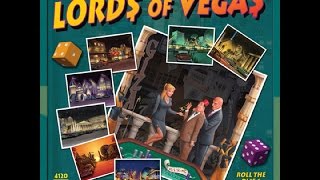
















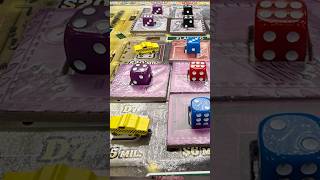








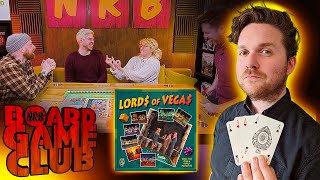





Lords of Vegas Deep Dive
What the Community Thinks About Lords of Vegas
Lords of Vegas stands as a beloved negotiation game that has captured the imagination of the board gaming community, earning cult status even during periods when it went out of print. Reviewers consistently praise it as a game that delivers memorable experiences, the kind that players still recount years after playing. The game's resurgence through reprints has introduced a new generation to its unique blend of mechanics, making it once again accessible to eager players. What sets Lords of Vegas apart is its ability to generate emergent stories and dramatic moments that define the experience far more than any rulebook could capture.
Core Mechanics That Define Lords of Vegas
Negotiation & Deal-Making
At its heart, Lords of Vegas is a negotiation game where deal-making and persuasion determine success as much as the roll of the dice. Players trade properties, broker agreements, and strike informal compacts that may or may not be honored. The beauty lies in how naturally negotiation flows from the game's structure: wanting to protect a valuable casino or proposing a trade for adjacent properties creates genuine moments of persuasion. Reviewers note that while negotiation enhances the experience, the game functions perfectly well for players who prefer minimal table talk, making it accessible whether your group thrives on banter or prefers quieter strategizing.
Dice Rolling & Chance
Dice rolling forms the randomness backbone of Lords of Vegas, driving both the casino valuations and takeover attempts. Despite this heavy reliance on chance, the game avoids feeling entirely luck-dependent because skilled play in negotiation, timing, and positioning can mitigate poor rolls. Players who find themselves losing due to bad luck can gamble on dramatic takeover attempts, betting their available cash to seize control of opponents' casinos, turning desperation into potential comebacks. This mechanism creates a Vegas-authentic feel where fortune matters, yet player agency remains meaningful.
The Lords of Vegas Experience
Chaotic yet Strategic
Lords of Vegas embraces controlled chaos. The game is riddled with randomness and unpredictability, yet somehow avoids the trap of making player actions feel meaningless. Even when dice rolls determine outcomes, the preceding negotiation, positioning, and casino building give shape to the narrative. The experience feels like genuine Vegas intrigue, high stakes, risky gambles, and the possibility of sudden reversals. Players describe the experience as deeply chaotic while remaining a full-length strategy game, a difficult balance that the design executes brilliantly.
Dramatic & Interactive
The game generates memorable table moments through its constant player-to-player tension. Hostile takeovers create dramatic swings; casino ownership shifts become personal vendattas; gambling at rivals' establishments adds playful antagonism. The constant wrestling for position and control ensures every decision ripples across the table. Players remain emotionally invested throughout the 90-minute playtime because their choices create consequences and opportunities that affect opponents directly. The interactive nature means downtime is minimal and engagement sustained.
What Makes Lords of Vegas Stand Out
Economic Depth with Accessible Rules
The game balances simplicity with economic sophistication. Core mechanics are straightforward enough for newcomers: acquire plots, build casinos, roll dice, and accumulate money converted to points. Yet beneath this accessible surface lies genuine economic strategizing about casino size, diversification, positioning, and timing when to cash out versus reinvest. The scoring system creates elegant forward momentum, early-game players trickle along collecting single points, but eventually need larger casinos to score more points, creating a natural catch-up mechanism and arc of escalating stakes.
Theme Integration Through Mechanics
Lords of Vegas achieves remarkable thematic authenticity. The dice rolling mirrors casino randomness; the negotiation captures Vegas-style deal-making; the ability to gamble in other players' casinos at critical moments embodies Vegas risk-taking. Players don't just play a game about casinos, they inhabit a casino-boss fantasy where every decision carries thematic weight. The game's mechanics create narratives naturally, with memorable stories emerging from the tension between planning and chance.
Potential Drawbacks
Luck Dependency & Play Duration
While the game works well mechanically, the luck element can be punishing. A 90-minute investment with dice rolls going consistently against you may leave some players frustrated, particularly those unaccustomed to games where randomness carries such weight. The extended playtime combined with heavy luck elements means committing to the experience requires players who embrace the Vegas atmosphere where fortune drives outcomes. This is intentional design, not a flaw, but it demands player acceptance of the luck factor as core to the game rather than something to minimize.
Player Count Variability
While playable at 2-4 players, the game's dynamics shift noticeably based on player count. Finding the optimal count matters for pacing and interaction; certain counts may create dead spots or reduce the meaningful negotiation space. The game also requires players who engage with the table talk and deal-making potential, players preferring silent optimization may find the experience less rewarding. Table chemistry and group dynamics influence whether Lords of Vegas shines brilliantly or merely delivers adequately.
If You Enjoy Lords of Vegas
Consider exploring Chinatown, another negotiation-heavy economic game with similar deal-making energy. Sid Meier's Civilization: The Board Game offers empire-building across longer timeframes with area control elements. Lords of Waterdeep delivers worker placement with negotiation options and fantasy setting. Monopoly shares economic theming though with different mechanics, making it useful for players seeking familiar economic structures. Each offers negotiation, economics, or area control with varying weights and themes.
What Reviewers Are Saying
"This isn't a fast filler game. It's a full-blown game where it's going to take an hour and a half or so to play it, but it is riddled in randomness and chaos. And despite me saying that, I think it's probably the best combination of a longer game with chaos that I've ever played."
— Chairman of the Board
"I found in Vegas playing Lords of Vegas was the stories that we were able to come back with and talk about when all of the dice were rolled and against all odds you somehow took over my casino."
— Neon Gorilla
"One of the best games of all time. The new reprint is beautiful. It's got like wooden tokens and actual little cards and wooden planes. You could steal people's stuff, a lot of luck. You're going to have some of the highest highs and some of the lowest lows. You would still actually have fun just seeing all the mayhem going on on the field."
— Neon Gorilla