/pic1518402.jpg)








Necromunda Deep Dive
What the Community Thinks About Necromunda
Necromunda stands as one of the most beloved skirmish games in the Warhammer 40,000 universe, offering a unique experience that captures the imagination of hobbyists and tabletop enthusiasts. The game's revival in 2017 marked a turning point, bringing beautifully detailed plastic models and a modernized ruleset to a franchise that had been kept alive primarily by its dedicated community. Among those who embrace Necromunda's gritty vision, enthusiasm runs high. Its campaign-driven narrative approach and rich model kits make it a standout choice for players seeking something deeper than traditional army-scale games.
Core Mechanics That Define Necromunda
Campaign-Driven Gang Building
At the heart of Necromunda lies a campaign system designed to foster long-term engagement and character investment. Rather than fielding static rosters, players build gangs through careful model selection and customization. Gamers have extensive agency in outfitting their fighters with specific weapons, armor, and equipment, allowing meaningful personalization that differentiates one gang from another. The progression system rewards campaigns, with gang members gaining experience, developing injuries, and unlocking new equipment as they survive encounters. This structure encourages emergent narratives where individual fighter stories unfold across multiple games, creating emotional investment that transcends typical one-off battles.
Verticality and Terrain Interaction
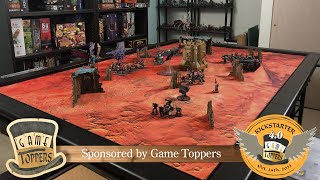
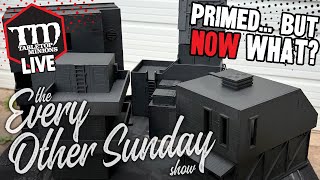
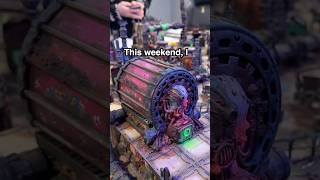
The hive city setting demands terrain that emphasizes three-dimensional gameplay, setting Necromunda apart from many miniatures games. Combat doesn't play out on flat battlefields but instead utilizes the architecture of the underhive itself. Multiple levels, connecting passages, and towering structures mean that positioning and movement take on tactical significance beyond typical ground-level skirmishing. Reviewers praise the terrain possibilities, noting that the best Necromunda tables feature elaborate custom builds that incorporate verticality. This emphasis on environmental storytelling makes each board a unique hive city location rather than a generic gaming surface.
The Necromunda Experience
Sandbox Gameplay and Emergent Narrative
What sets Necromunda apart is its sandbox nature. Players create their own stories through campaign play rather than following scripted scenarios. A ganger might sustain an injury that alters their combat capability, inspiring players to narratively justify how that fighter adapts. Rivalries develop between opposing gangs, creating natural story arcs. Victory and defeat carry weight because the stakes involve permanent consequences. Gang members become named characters with histories, and their relationships to opponents create personal investment. This narrative-first approach resonates strongly with hobbyists who find satisfaction in witnessing their gangs grow and change organically across multiple sessions.
Model Quality and Aesthetic Appeal
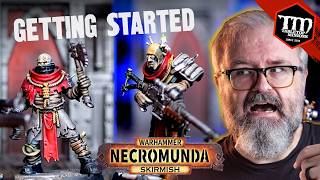
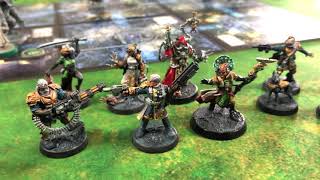
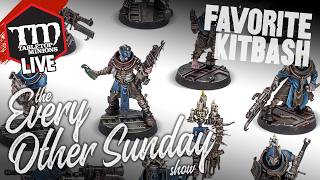
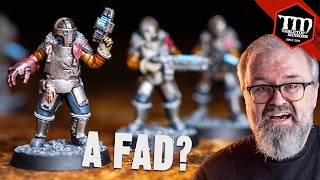
The plastic gang sets released since 2017 represent some of the finest miniature sculpts Games Workshop has produced. Each faction within the hive has distinctive visual characteristics, from the religious zealotry of House Cawdor to the technologically advanced Vansar. Models feature intricate details and offer numerous customization options through parts swaps. These kits have proven popular even among hobbyists who never plan to play Necromunda, as the models work excellently for kit-bashing sci-fi and post-apocalyptic projects. The quality of the sculpts enhances the thematic appeal, making gang members feel like actual hive denizens rather than generic soldiers.
What Makes Necromunda Stand Out
Accessibility Through Multiple Entry Points
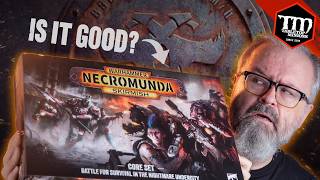
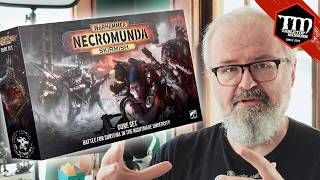
Games Workshop has created multiple ways to enter Necromunda rather than forcing a single path. Starter boxes like Hive Secundus and Hive War offer entry-level experiences with included terrain and rules summaries. The newer Hive Suus box provides a more accessible dungeon-crawl style introduction. These products allow new players to start playing immediately without acquiring extensive supplemental books. For those willing to dive deeper, comprehensive core rulebooks provide advanced campaign rules and gang customization. This tiered approach acknowledges that not all players have the same tolerance for complexity or the same budget, making Necromunda more welcoming than it might initially appear.
Long-Term Support and Model Availability
Unlike many skirmish games that see limited releases, Necromunda has maintained a surprisingly robust range of available models and expansions. Gang boxes for different factions continue to be printed, and Games Workshop regularly releases Hive Cities and supplemental products. This availability matters significantly for players who want to expand their collections without resorting to secondary markets. The fact that Necromunda hasn't seen a major rules overhaul since 2017 suggests a level of stability and confidence in the game's design. Players can invest in models with reasonable assurance that their armies will remain playable for years to come.
Potential Drawbacks
Rules Complexity and Crunchiness
The ruleset for Necromunda has earned a reputation for density. Reviewers consistently note that the game contains more moving parts than many prefer, with numerous modifiers, special abilities, and interactions to track during play. Multi-phase activation systems, multiple damage types, and faction-specific mechanics create layers of decision-making that some experience as overwhelming. The rules are spread across multiple books and PDF documents, requiring players to cross-reference between volumes when building gangs or setting up campaigns. For hobbyists accustomed to streamlined game systems, Necromunda can feel like it's working against accessibility. Some describe bouncing off the rules entirely despite loving the aesthetic and lore, finding the crunch incompatible with their preferred play style.
Steep Learning Curve and Fragmented Documentation
New players face a challenging onboarding experience with Necromunda. The core rulebook, while comprehensive, requires careful study to understand the various systems. Newer faction books follow different organizational structures than older ones, adding friction for those trying to understand their specific gang. The fact that the primary rulebook is often locked behind the price of a full starter box creates a barrier for solo players or those wanting to start with a single gang. Additionally, some rulebooks suffer from accessibility issues, with text printed over detailed background art that can be difficult to read. The learning curve isn't just steep; it's also frustratingly opaque due to how the information is scattered across products and documents.
If You Enjoy Necromunda
Players drawn to Necromunda often find satisfaction in narrative-driven miniature games like Frostgrave, which similarly emphasizes campaign play and character progression. Warcry offers Games Workshop's take on skirmish gaming with a more streamlined ruleset. Kill Team provides a different approach to small-unit 40K action. For those specifically seeking campaign-driven gameplay with more accessible rules, One Page Rules' Gang War expansion offers Necromunda-compatible mechanics with simpler systems. Older games like Mordheim, while out of print, maintain passionate communities and continue to offer the sandbox experience Necromunda delivers.
What Reviewers Are Saying
"The Necromunda kits are some of the best Games Workshop kits made for kit-bashing. If you're doing sci-fi and apocalyptic stuff, the Orlocks, Cawdor, Vansar, Goliaths, and other boxes have so many great options, and you can do so much with them."
— Tabletop Minions
"The rules are very very dense and there's so much going on. The rules for Necromunda make 10th edition 40k look kind of streamlined, at least in my opinion. I love the concept, the lore, and the models, but I bounced off the rules pretty hard."
— Tabletop Minions
"Necromunda is designed to be a campaign game where you've got this small group and they kind of grow and get better and sometimes die. The emergent narratives that come from campaign play are what make this type of game special, because it's designed for narrative storytelling."
— Tabletop Minions