/pic8170512.jpg)
/pic8170512.jpg)




















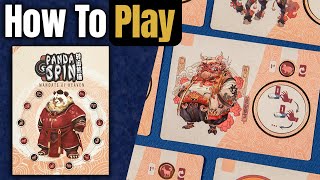













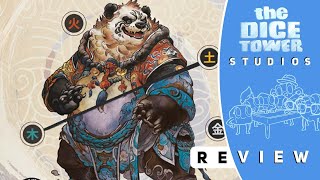



Panda Spin Deep Dive
What the Community Thinks About Panda Spin
Panda Spin has resonated strongly with the board gaming community as a clever evolution of ladder-climbing card games. Reviewers consistently praise the game's central mechanic of spinning cards to upgrade their power, creating a unique shedding experience that rewards strategic hand management. The game strikes a balance between accessibility and tactical depth, drawing comparisons to classics like Tichu and Scout while establishing its own identity through the distinctive card-flipping system. Multiple reviewers have found themselves returning to Panda Spin repeatedly, backed the Kickstarter expansion, and recommend it enthusiastically as a competitive yet friendly addition to any game collection.
Core Mechanics That Define Panda Spin
Card Shedding with Double-Sided Cards
Panda Spin is fundamentally a ladder-climbing card shedding game where players attempt to eliminate cards from their hand by playing stronger combinations than their opponents. What makes it distinctive is the double-sided card system: each animal card has a white side and a blue side, with the blue side offering enhanced values. When players fail to win a trick and pass, they retrieve their cards but flip them to the more powerful blue side. This creates an intriguing dynamic where losing a round isn't purely punitive;it gives players the chance to upgrade their hand and make more impactful plays later. A single card might transform from a 6 into a pair of queens, dramatically changing tactical possibilities.
Hand Management Through Suit Abilities
The game includes five elemental suits, each providing unique powers and special abilities. Water cards can act as wildcards in sets or runs, fire cards allow discarding additional cards, bamboo cards grant direct points for each symbol played, and panda cards trigger special abilities depending on whether the panda mood is set to hungry or spinning. Earth, wood, and metal cards each have specific conditions for play, creating moments where timing and resource management become critical. Players must balance immediate advantage against preserving their hand composition and understanding how suit abilities interact with their current cards.
The Panda Spin Experience
Quick and Tactically Engaging
Rounds move briskly, with play generally completing in 25 to 30 minutes, keeping the energy high and the game accessible for casual and serious players alike. Despite the quick pace, every decision carries weight. Players must constantly evaluate which cards to play, whether to attempt winning a trick or strategically pass to upgrade their hand, and how to sequence plays to maximize their position. The game rewards both aggressive play and calculated patience, creating scenarios where bold moves and conservative planning can each succeed depending on circumstances.
Surprising and Dynamic with Big Swings
Reviewers consistently highlight the "insane" and chaotic nature of Panda Spin's gameplay, where hands can swing dramatically from unmanageable to devastating. The act of spinning cards to upgrade them creates moments of major power shifts. Early rounds might see players struggling with weak combinations, but as cards rotate to their blue sides and combos come together, the same hand can suddenly enable stunning plays. This unpredictability creates satisfying moments of comeback and creates the sense that no one controls the outcome until the very end, keeping tension high throughout play.
What Makes Panda Spin Stand Out
The Spinning Mechanic as Core Identity
The signature card-spinning system distinguishes Panda Spin from other ladder-climbing games and creates a problem-solving experience unique in the genre. Rather than discarding failed plays forever, players get to reclaim and upgrade those cards, turning defeats into opportunities. This mechanic means each player is constantly building toward more powerful combinations, creating an interesting arc of escalation across multiple tricks. One reviewer noted that the mechanism keeps games dynamic because losing early doesn't cripple your position;it sets up future strength. The spinning element also makes the game work mechanically at the physical table, as seeing both sides of each card becomes a satisfying tactile element of play.
Elegant Design with Variable Difficulty Through Element Cards
The element card system provides both narrative logic and mechanical depth. Each element has specific, thematic conditions for when it can be played, adding complexity without overwhelming players. The fire card requires you have seven or fewer cards in hand, making it a desperation play when hand management fails. The metal card requires both white and blue sides to appear in a trick, creating specific tactical windows. This creates a game where the ruleset feels purposeful and integrated rather than arbitrary, rewarding players who learn the conditions and can recognize when windows of opportunity appear.
Potential Drawbacks
Rules Clarity Challenges
Several reviewers noted that Panda Spin's rulebook could be clearer, particularly around the distinction between trick-taking and ladder-climbing mechanics. The game uses the term "tricks," which some players familiar with trick-taking traditions found misleading since players don't follow suit and the mechanic operates differently than classic trick-taking. One reviewer even stated they had to refresh on the rules each time they played due to how the rulebook presented the information. Clarifying whether the game is properly a ladder-climbing game and being more explicit about suit-following rules would help new players grasp the system faster.
Power-Up Complexity for Some Players
The multiple suit abilities and special powers generated by cards can feel overwhelming to some players on their first exposure. While reviewers praised the depth these abilities create, at least one noted that there were "perhaps just a few too many powers" for their personal taste. The water symbol acting as a wildcard, the various panda/bamboo/fire effects, and the elemental card conditions combine into a rich system that some players find perfect and others find slightly bloated. Players new to the game might benefit from playing with a subset of abilities to ease into the full ruleset.
If You Enjoy Panda Spin
Panda Spin will particularly appeal to players who love Scout, the card-flipping mechanic where both sides matter and games are decided by clever hand management. Tichu players will recognize the ladder-climbing structure and the satisfaction of orchestrating multi-trick strategies, though Panda Spin's non-partnership format and card upgrading system create a different experience. Those who enjoy King of Tokyo's chaotic swings and surprising comebacks will appreciate how Panda Spin's spinning mechanic creates dramatic power shifts. The game also shares DNA with other compact card games where a small deck teaches massive strategic depth across its 30-minute playtime.
What Reviewers Are Saying
"There's a whole bunch of little different things that go along, different ways that you can score points, different ways that you can do this or that in the game. It's really really fun. But that central mechanism of picking those cards back up and spinning them to a more powerful side was really interesting for me."
— The Dice Tower
"I absolutely love it. It's an evolution of Tichu. It's a non-partners version of Tichu. And Chuddock, I always called him the master of the broken game. And this has that feel that things, like you said, things just go insane."
— Going Analog
"It's a really cool game. Love it. But every time I refresh on the rules, I'm like wait, wait, wait, how does this go again? I have to double check because the way they explained it as tricks is sort of confusing."
— The Brothers Murph