
/pic6769278.jpg)


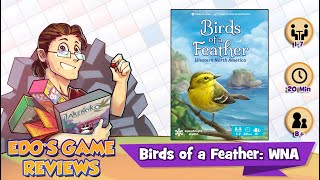


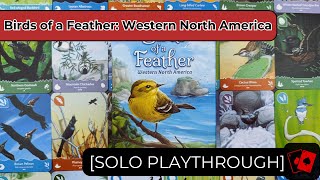



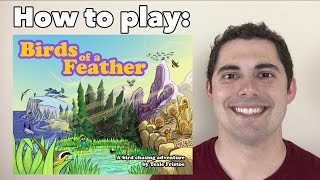

Birds of a Feather Deep Dive
What the Community Thinks About Birds of a Feather
Birds of a Feather has captured the attention of board gaming reviewers as a fast, accessible card game that delivers surprising strategic depth within its brisk 15-minute playtime. From Nothing Sacred Games, this simultaneous-action bird-watching title draws praise for its elegant design and immediate appeal, though some reviewers note it benefits from familiarization with its layered decision-making system. The game appeals to players who enjoy light drafting experiences that balance luck with tactical card selection, creating moments where careful observation of opponent behavior becomes as valuable as the cards in hand.
Core Mechanics That Define Birds of a Feather
Simultaneous Reveal and Habitat Observation
At the heart of Birds of a Feather lies its simultaneous action system, where each player secretly commits to a card before all selections are revealed together. This mechanic creates a cross-table read of intentions that defines every round. When cards flip, players score the bird they played alongside any birds in the same habitat played by others. This creates interconnected pathways to points: seeing the bird you played, catching habitat neighbors, and potentially viewing birds from the previous round in the same habitat. The system generates genuine tension, as players must anticipate where opponents' attention will focus. Over turns, the accumulating cards on the table create cascading scoring opportunities, rewarding players who read the table and predict simultaneous plays.
Card Drafting and the Raptor Disruption
Before play begins, each player passes cards, establishing initial hand composition. This traditional drafting setup ensures deck variety across hands, but the game's signature disruption emerges through the Raptor card. When a Raptor reveals, birds from that habitat in the previous round fly away, vanishing from scoring. This creates a risk-reward tension: playing the Raptor grants points for the card itself and any new birds revealed, but it actively removes opportunities for opponents who had anticipated scoring those habitat birds. The Raptor transforms from a simple high-point card into a tool for tactical denial, forcing players to weigh immediate gain against the intel they have gathered about opponent positioning. Strategic minds begin to anticipate Raptor timing, attempting to protect their scoring opportunities or set up Raptor plays as surprise denials for tightly contested habitats.
The Birds of a Feather Experience
Fast and Accessible Play That Rewards Reading the Table
Reviewers emphasize that Birds of a Feather moves swiftly. The simultaneous nature eliminates downtime; players choose their card, all reveal at once, score, and move forward. This speed makes it an ideal game for quick gaming sessions, yet it masks a surprising amount of decision-making beneath its accessible surface. Once players internalize the scoring rules and card distribution, the game transforms into a subtle game of prediction and counterplay. Experienced players begin to observe hand management patterns, recognize which birds remain in circulation, and anticipate whether opponents will pursue the same habitats. The companion web app for scoring keeps momentum flowing by automating point calculation, preventing the game from bogging down in arithmetic.
Escalating Complexity Through Card Position Memory
The experience evolves dramatically as the game progresses. Early turns feel relatively open, but once cards begin accumulating on the table from previous rounds, the decision space expands. Later turns allow players to see previous-round birds alongside new simultaneous plays, creating compound scoring moments. Reviewers note that skilled play emerges from recognizing which rare birds have already been revealed, anticipating what remains in circulation, and developing blocking strategies around still-unseen high-point cards. This memory element rewards players who attend to board state, making the game more engaging on replays as players become familiar with card distributions and optimal positioning patterns.
What Makes Birds of a Feather Stand Out
Elegant Scoring Design Rooted in Habitat Mechanics
The habitat-based scoring system is Birds of a Feather's structural innovation. Birds aren't simply played for individual points; they unlock points by appearing alongside neighbors. Reviewers appreciate how this encourages players to coordinate their plays strategically, either by pursuing the same habitat as opponents (to access their birds) or avoiding it entirely. The bonus for seeing every bird in a single habitat provides a tangible long-term goal that generates late-game drama. The egg card, which grants no direct victory points, becomes essential because completing a habitat requires seeing every bird including eggs. This design elegantly makes seemingly weak cards valuable, rewarding comprehensive habitat completion over chasing high-point individuals.
The Subtle Art of Predicting Simultaneous Choices
Reviewers highlight that Birds of a Feather delivers genuine satisfaction through prediction. Unlike games where information is asymmetrical, all cards are known to all players. Victory comes not from hidden information but from accurately reading where opponents' attention will focus this turn. A player spotting a forest rare bird calculates whether competitors will reach for it simultaneously, or whether they will pivot to their established habitat strategies. One reviewer noted the pleasure of creating deliberate bait by playing a high-point card, only to follow up with a Raptor to remove the birds that distracted an opponent. These moments arise from the game's commitment to transparency paired with simultaneous action, generating memorable plays born from reading the table rather than lucky draws.
Potential Drawbacks
Luck in Early Game Hand Distributions
While the simultaneous mechanism rewards reading, early-game fortune plays a role. The initial hand distribution and cards passed during setup directly influence early-turn opportunities. A player dealt multiple rare birds in advantageous habitats gains ground through card advantage before predictive skill enters play. Reviewers acknowledge that this luck smooths out over rounds as hands deplete and patterns emerge, but new players may feel disadvantaged by initial hand quality. The passing mechanism attempts to mitigate this, but strategic hand management in the pass phase can still favor certain positions at the table.
Potential Information Overwhelm for New Players
Despite accessible rules, the number of cards to track and the compound scoring from overlapping habitats can overwhelm newcomers. Reviewers note that a first play often requires focusing on basic card selection and scoring one habitat at a time, delaying appreciation of the strategic reading that makes the game engaging. The web app helps immensely by calculating scores automatically, but new players watching the game table may struggle to mentally track which cards offer which birds and which habitat completions are emerging. A few plays remedies this, but there exists a brief learning curve before the game's decision elegance becomes apparent.
If You Enjoy Birds of a Feather
If Birds of a Feather resonates with you, consider exploring other games that emphasize simultaneous selection and table reading. Sushi Go shares the quick, pick-and-pass drafting rhythm and rewards reading what opponents are collecting. Cockroach Poker and Love Letter deliver fast, transparent bluffing and prediction in short sessions. For players who love the bird theme and habitat scoring, Wingspan offers a fuller engine-building experience built on the same naturalist appeal, trading Birds of a Feather's speed for greater strategic depth and multiple paths to victory.
What Reviewers Are Saying
"The web app is really nice, it adds up all the numbers for you and gives you your score, but you can also use these score sheets to add it up yourself and see who the winner is."
— John Gets Games
"We played Birds of a Feather quite a bit. Yes, that makes sense though because it's fast. Yeah, it's very fast. We played that one a few times too."
— Cabre Games
"So looking at our hand and also seeing the stuff that we've scored, we can tell that we really don't need to go to the desert right now. We have both of those birds already and now might not be a bad time to drop this."
— John Gets Games