











Gems of Iridescia Deep Dive
What the Community Thinks About Gems of Iridescia
Gems of Iridescia has earned strong appreciation from board game reviewers who highlight its elegant balance of accessible mechanics with surprising strategic depth. The game succeeds in crafting a compelling experience that appeals to both casual players and those seeking meaningful economic decision-making. Reviewers consistently praise the game's polished presentation and its ability to engage players through multiple interlocking systems that reward careful planning without demanding excessive rules overhead.
Core Mechanics That Define Gems of Iridescia
Market Pricing and Resource Economy
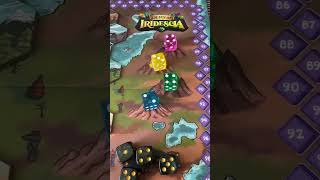
At the heart of Gems of Iridescia sits a dynamic gem market that responds directly to player choices. Each gem type has a market value represented by a die that starts at two and fluctuates throughout the game. When you move onto a tile and claim a gem, you immediately increase that gem's market value by one. This creates a powerful tension: while mining gems when prices are low is efficient, selling them at peak prices generates the funds needed to purchase powerful item cards and restore relics. The market crashes when a die reaches six and resets to one, forcing players to time their mining and selling carefully. Some item cards even allow players to manipulate the market directly, adding another layer of strategic choice. This economy is neither so random that luck dominates nor so predictable that optimal strategies overshadow player creativity.
Set Collection Through Tile and Relic Pathways
The game builds multiple paths to victory through set collection, creating interesting trade-offs between short-term gains and long-term positioning. Players collect tiles from the board as they explore, scoring points at game end for matching sets of the same gem color, with seven-of-a-kind worth twelve points. Simultaneously, players spend gems to restore relic cards that provide immediate victory points and contribute to endgame scoring through their own set collection system. The relic cards feature gem-type icons on the back, allowing players to pursue collector goals based on which relics they chase. This dual set-collection approach means no single strategy dominates; players who focus solely on building one color of tiles may struggle to complete relics, while those diversifying for relics sacrifice the high-value tile set bonuses.
The Gems of Iridescia Experience
Tense Decision-Making Through Limited Resources and Blocked Paths
Gems of Iridescia generates compelling turn-to-turn decisions rooted in scarcity and interaction. Your player board holds only seven gems at once, forcing constant decisions about what to mine, sell, or pass on to other players. The board itself acts as a shared resource: once a player claims a tile, no one else can have it, and when one player races ahead to the city, subsequent turns allow that player to remove tiles from the board entirely, potentially forcing slower players to discard valuable accumulated tiles. The mining system rewards timing: you spend three coins and roll dice, hoping to meet or exceed the market value to gain gems. When prices are high, mining becomes very difficult; when prices are low, gems come easily but are worth little when sold. This forces players to balance accumulation phases with profit-taking moments, all while watching opponents' positions and market trends.
Exploration and Revelation in Tile Discovery
Each turn begins with revealing two face-down tiles adjacent to your explorer on the main board, creating moments of discovery and tactical adjustment. You never know what gems or bonuses lie beneath those tiles, forcing players to balance the appeal of known adjacent tiles against the gamble of exploring further. Some tiles grant bonus coins, victory points, or stone dice that expand your mining potential, rewarding players who venture further up the board. The board layout itself encourages forward progress: you move up or sideways, never backward, which means early choices about which paths to take determine which tiles you can access later. This exploration phase, combined with the hidden tile reveals, gives every turn a moment of tension and possibility even as players execute their broader strategies.
What Makes Gems of Iridescia Stand Out
Gorgeous, Tactile Components That Demand to Be Handled
Gems of Iridescia distinguishes itself immediately through its component quality, particularly in its deluxe edition. The gem meeples feature beautiful foiling that catches the light, making them aesthetically striking while remaining highly functional game pieces. The cardboard tiles are also foiled, and the metal coins provide a premium feel that enhances the economic theme. Players note that holding and moving these pieces is genuinely satisfying, adding sensory engagement to the strategic layer. Even the humble pickaxe tokens and stone dice receive attention in the iridescent edition, suggesting that designer Roberto Panetta and publisher Rock Stone and Dice understand that board games are physical experiences. This attention to materials transforms Gems of Iridescia from a functional game into a table presence worth gathering around.
Multiple Viable Victory Paths Without Feeling Aimless
The game offers genuine replayability through its layered scoring system and variable secret objective cards. Restoring relics, collecting gem tiles, reaching the city first (earning royalty tokens worth five to seven points), and completing secret objectives all contribute to the final score. A player who races to the top might secure first-place royalty points but miss out on relics; a player who focuses on gem tile sets might accumulate twelve-point bonuses but arrive at the city late. The secret objectives add individual texture without overwhelming the game: objectives range from collecting relics of specific types to restoring a minimum number of relics, ensuring that players have personal targets that still tie to the core economy. This variety means different strategies work from game to game, and the optimal path emerges from the current market state, tile distribution, and available items rather than from pre-determined best practices.
Potential Drawbacks
Randomness From Dice Rolls and Tile Reveals Can Overshadow Strategy
Mining relies entirely on dice rolls compared against the current market value, meaning lucky rolls can generate unexpected windfalls while poor rolls frustrate careful plans. A player who invests coins to mine and rolls below the market value feels the sting of bad luck rather than rewarding strategic timing. Tile reveals also introduce randomness: you might reveal the exact gem you need twice in a row, or face an endless stream of colors you do not want, forcing abandonment of your current plan. Players seeking games where probability serves as mere seasoning rather than a primary ingredient may find Gems of Iridescia frustrating. The core economy is sound, but variance means that two equally skilled players can reach very different outcomes based on die luck and initial tile positioning, which some players find reduces the satisfaction of outplaying opponents.
Setup and Tile Organization Create Friction at the Table
Preparing Gems of Iridescia for play requires laying out dozens of individual tiles organized into five separate face-down stacks by type (desert, canyon, forest, ruins, city), each sorted by position on the board. Unlike games where components come pre-organized on a mat or in a rulebook-specified layout, Gems of Iridescia demands manual tile shuffling and placement, which can be lengthy, especially with four players. The board itself occupies a meaningful footprint on the table, and carelessly bumping it during play can scatter carefully revealed tiles. Some reviewers also note that the variable tile positions from game to game mean you cannot pre-learn the board layout in advance, which some players experience as a drawback to learning and mastering the game's navigation strategy.
If You Enjoy Gems of Iridescia
Players who appreciate Gems of Iridescia's economic engine and market manipulation may find similar satisfaction in Splendor, which shares the push-to-profit rhythm of building engines that generate resources over time. Those drawn to the exploration and tile-collection pathways might enjoy Carcassonne, where drawing and placing tiles creates variable board configurations with emergent gameplay. The clever item-card combos and ability-based strategies recall Sushi Go!'s drafting satisfaction, though Gems of Iridescia trades simultaneous play for deeper turns. For players who love the relics-as-goals system and set-collection endgame, Calico offers a similar meditative pattern-building experience with quilting instead of mining. Finally, those seeking a lighter economic game might explore Century: Golem Edition, which offers gem trading and resource conversion in a more compact footprint.
What Reviewers Are Saying
"The gems are probably some of the most beautiful components in a game that I've ever seen. I love them so much. They're all foiled."
— The Board Game Garden
"The item cards are really, really fun. I always like to seek out different combinations that you can get going, and that's exactly what the item cards do."
— kovray
"It's an absolutely gorgeous game. You know, every piece is just chunky and well-designed and it's nice to hold and pretty to look at. You've got these big chunky gem pieces that shine in the light and reflect light."
— Brains On Games