How to design AND publish games | Ben Downton
Games in This Video
3 games are featured in this video — they unlock as you watch.

Transcript
after several days and like quite a long time one backer from three years ago gets their game shipped out yeah and that's publishing on repeat over and over and over again and let's not talk about how many games don't even get played once because if I think about that it'll make me really sad I do a lot myself um partly to keep costs down partly because I'm interested sometimes I just we talk about those publisher tasks I just want to get stuff done when I've got to email someone ask them chase them up say oh yeah it's 90 there but could you just tweak this one thing and that process can take days I like to just go I want to do it right now and then it's done and then then it's done it's out of the way and I and then I'll be free there won't be any more things to do yeah so Ben you've been designing games you've been publishing games you've been trying to figure out how to kind of live in the tension between the two and I think that's exactly what you end up doing you're always pulled one way or the other and honestly a lot of times the publishing Direction gets pulled you know you pull that way more probably because there's like fit 11 things to do on that side versus game design which it's kind of a basic you know I'm gonna design I'm going to prototype I'm gonna play test repeat versus publishing which is like 75 new things to do today that you didn't even know existed so maybe that's part of it but tell me kind of why you wanted to do both you know a lot of people they they think they want to do both and so let's talk about like going in what made you want to do that and then in a minute we can talk about what was the reality but back in the day when you were like hey this is going to
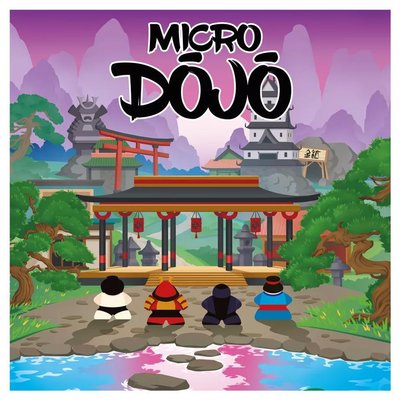
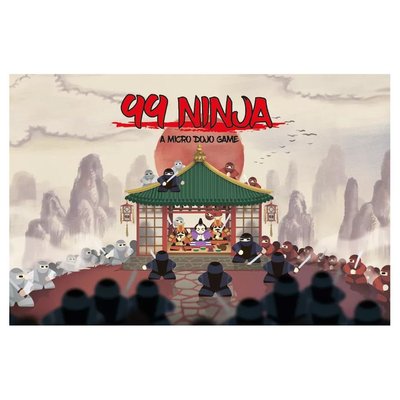
be super exciting and super fun let's do both of these things what were you thinking so I don't know if I necessarily started out thinking oh I want to be a publisher and Publishing stuff uh but I knew I wanted to you know run my own Kickstarter campaign and I wanted to do most of it myself so because it was a low-cost campaign it was for learning but also I like to understand the whole process you know it's helpful to understand how the manufacturing Works how the artists work how shipping Works how the taxes work like because then even if I end up not doing that stuff I can still communicate with people much better so even just the conversations I've had with my factory talking about you know die lines understanding the margins like what the limitations are on the materials things like that is helpful even if I'm not going to be you know running the machines so I knew I wanted to do everything or as much as possible when I did the first Kickstarter um and then I had uh Ivan approached me Ivan gets a bit of a shout out because he played micro Dojo before I did so I I posted posted up the files that I'd spent the holiday making on board game Design Lab I was like it's been a long day I said I'd do it and it's done and then I've invested in the next day saying I've played it I've got some thoughts and I was thinking I haven't played it yet um and then about maybe a year later um he said oh hey I've been working on this other design which is 99 ninja which is actually the one that I'm going to be publishing um in just over A month's time uh and he said oh hey I've got this you know it's about Ninja it'd probably be a really good spin-off for the game and I said oh yeah it's cool it would be a good fit but I don't know if I'm ready
to publish people's games you know I kind of want to do my own and I think partly because I had plans of being a designer publisher partly because it's quite a lot of responsibility taking on someone else's game I wasn't sure that I would be able to give it the same kind of commitment as I would my own ones at the time so I kind of said like I'm not sure I'm ready for that and then after my second Kickstarter Campaign which was for the micro Dojo expansion um I was feeling more comfortable with the process and I was helping Simon Simon Beale who designed microbots uh he actually we do some play testing together sometimes and he said hey I want to make a game I'm struggling with it can we do a bit of a brainstorm and he said let me show you the original design it was a mint in game for a contest let me show you this for context and as we played that Minton game I was like and you know what this is actually a good fit for the type of games that I want to keep creating which is one to two player head to head like a lot of sort of thinking experience in a small box and a low price and so I said said oh maybe maybe we could work on this together like maybe we could actually develop this mint in game uh and it's something that I could take on and you know it would fit with the kind of games I think my audience likes so maybe I could publish this so that was May probably May 2021 not long after the the micro Dojo campaign and then because of that I thought oh actually now I feel comfortable signing someone else's game I'll reopen that conversation with Ivan and the other designer Matt and start talking about 99
ninja so I ended up finding two games in about um two months apart and I think one super smart thing you did going in was you didn't try to do some big epic 100 Miniatures based game I mean micro Dojo fit in an envelope yeah like it was it's small it's one of the smallest games I've ever seen in my life and so you know that that first that means you're not gonna make a million dollars but I don't think you went into it you're thinking that anyway but the the mistakes are now a little cheaper right if you completely screw up every bit of shipping it still wouldn't be as expensive as if you screwed up one percent of shipping on a massive campaign right and so um I think that was super smart going in is learning figuring things out and that's that's one thing I want to suggest or just advise anyone who is a designer wanting to get into publishing start small learn grow figure things out because you're gonna make a lot of mistakes it's just inevitable and and the cheaper those mistakes can be the better and so all right so tell me like what happened next so now you're talking to other people you're starting to sign their games it's getting a little more real to you because now you're working you're kind of messing with somebody else's money now it's not just you right it's not just if you screw it up well you know you can look in the mirror and be like ah I'm disappointed in myself now you feel like you're gonna disappoint other people and I know how that feels like this extra responsibility so tell me a little bit about that and then kind of where things went from there yeah it was definitely a big responsibility and I think originally that's why I didn't necessarily want to do it because I
remember my initial thought was it's either okay if if I put in a lot of work into launching my game and designing it and promoting it and it fails or doesn't do very well then that's disappointing but I've only really let down myself and I don't know why but letting down other people feels way worse than you know if it's just myself I think oh well I'll try you know that's a shame didn't work out whereas if someone else is kind of basically someone has given me their dreams and said please can you go you know please can you go make my dreams happen and so it's it's a real shame to to let someone down once they've kind of trusted you with that as well um so it is a lot of responsibility kind of taking that on I think I was worried before I did it that it would feel um a bit pressured and you know then it starts feeling like work rather than fun and then you know you don't end up kind of resenting this project where it's like oh I've got to make this game work but I'm not really that into it um but actually I found that responsibility a bit more motivating like I really you know want to make a success of it and do the best thing I can with it and in the end I find I found that the projects became quite personal anyway there's quite a lot of in those games because um with Simon we we got together on like a weekly basis to work with microbots and to talk about it and discuss it and share our ideas and share our Concepts as well and decide you know one way or the other which ones which ones we're going to let go and decide how we got to that really and good end result um and in the end that was that that kept me going and made it enjoyable
yeah that makes a lot of sense one thing we were talking about before we hit record was how lonely it can be designing and Publishing games and so tell me a little bit about that but also like from hearing you talk about working with other designers it's almost like well well there's somebody else in the room or there's somebody else I can at least get on a zoom call with we can chat about things and we're bouncing ideas around and it's not just you bouncing the idea off the wall and hoping it comes back like you're actually you know talking to other people which can be invigorating and less isolating and so talk to me a little bit about just kind of the loneliness that designers and Publishers feel and then on the other end like well I used to not feel quite as lonely yeah because I'm like really an extrovert and I get a lot of energy being around other people like being in big groups and things and so talking to people and doing stuff like really gets my energy up it gets me inspired uh but it doesn't always get stuff done so you need time to to kind of get things done as well so you need that that time alone to just sort of you know sit down and get those jobs done but that thing as I find I don't always realize but I will spend like two or three days of just particularly with publishing but also with the design it's it's always there so when there's a free moment it's always oh well there's always something to do for the publishing or there's always a design to be working on so you're always like well I guess I could be working on that and I noticed after two or three days um I find not so much that the motivation goes but just I stopped thinking properly like I can't think what it is I need to do the creativity kind of gone and I know I
need to work on the next game but I'll open up you know my rules or Adobe Illustrator or something and I'll just stare at it going well I don't know and so having those like chats with people even just to like I'll schedule something to chat with I work quite closely with um with Dina Dina Ramsey who does the marketing side so I'll speak with her to kind of help start putting some plans in place for things that need doing that I can then get on with later I'll schedule a play test with someone you know I'll reach out and ask for a play test or um write to you and say hey like let's have a chat and get on the podcast so like having that time sort of with people again it just gives you a little boost to then go back and I mean we talked for half an hour before the podcast we've probably come up with a week's worth of work that we could both do out of our chat so right yeah another thing is I don't like being the bottleneck so if I'm working with somebody else even if it's just an artist or gravity designer or somebody that's kind of not working directly on the game or on the company but it's just doing something freelance I still I don't I don't want to slow them down right I don't want to waste their time and so building that relationship with with you know I've got an excellent graphic designer Drew is phenomenal and I've got another guy named John that does a lot of other stuff as well and I hate those guys ever feeling like um hey where you at like hey I'm waiting on this and so I'll stay up till three or four o'clock in the morning if it means getting something done to be able to send to them that they can work on you know when they wake up a few hours later and get going and and I think that
is also really helpful in moving things forward because it was if it was just up to me man there'd be a lot of days I'd be like ah I'll do it tomorrow but because there's that pressure of not wanting to let somebody else down you know and wanting to kind of help them be their best right well that means I've got to do a little extra and I think that helps move everything forward and especially for a project that's really big in scope now you and I we we have a tendency to work on things that are small you know small small box games low msrps and I think in a lot of ways it's easier but when you're working on a big project or even just the company in as a whole which is kind of a big project ongoing uh it's nice to have those things that can kind of push you forward on a day where you'd be like ah you know it's fine I'm just gonna take the afternoon off and go do nothing and sometimes I do and I bet sometimes you do as well even still with all the pressures but uh just to have other people around they can kind of push you forward it's really nice yeah yeah and those kind of scheduled appointments as well like oh hey we're gonna go for a play test on Tuesday or we're gonna do it on Friday even if the only time that week I end up thinking about the things we need to do is on the Thursday night before we meet on Friday morning still like we're talking about I've been working on design for the last nine months and probably eight of those nine months have been I'll get it tomorrow when all the other stuff's out of the way and with the publishing size never out of the way something else so uh yeah that whole balancing because Design's like one big problem which is make a game
I mean obviously we can break it down into smaller tasks whereas publishing's like I'll just send that email it's two minutes and it's done then you can get like 12 things done in a day and like I've finished the email and I've pushed this and I've set up this and I've uploaded this um and so like It Feels Like A lot's got done whereas I can um I actually wrote down a quote we were thinking about this um it's I'm gonna have to say his name wrong the uh the writer or an actor he's I saw a quote from him he said it's about writing he said sometimes writing is opening up your laptop looking at a blank page on draft for eight hours and then feeling sad and closing it that's still classified as the meeting and so that can be a day designing but I don't think I spent eight hours on publisher tasks that's gone oh I've got nothing done I've probably got about 10 little things done in that time oh that's interesting so it's much easier because there's always some other email things yeah mm-hmm yeah with game design at least my process so much of what I do is literally just staring at components and I'm playing out ideas in my mind I'm like either playing the game internally just mentally going okay if I do this what if what if that happens and I could draw a card I can move this I can roll a die like I'm playing the game without having to play it so I can like play test a lot faster because it's all mental or if I even in the shower or washing dishes or something menial driving you know like I'm playing the game in my head and that's cool and so like no literal work was done like I haven't written anything down I haven't cut anything out no cards been made or boards but like there's still that mental gymnastics happening and sometimes it's literally just staring at things and then all of a sudden you have an idea like I had this Epiphany moment
yesterday I was working on this football game that I've literally been working on since the start of this podcast in 2016 this was the first game that I was like really excited about I talked about it a lot on the show it's now finally gonna go to Kickstarter I'm super pumped and literally yesterday I was staring at the player board that I've stared at unknown number of hours and I had an idea video about how to make it so much better and so sometimes that's just the design process publishing doesn't work that way you can't stare at an email and then be like okay now I figured it out like no you have to respond and it's probably going to be annoying and frustrating and it's probably going to be a customer from three years ago who backed a Kickstarter and they're like Hey where's my game and you're like hey man you know if you send me your address anytime over the last three years I would have shipped it to you yeah yeah but but it took you 20 minutes to figure out who they were because you had to read the email internalize what are they talking about send them another email and be like hey which campaign because they said hey I didn't get my game well you know I've done I've done 10 at this point so like which one are you talking about like oh this one and this is my back and then you have to go to Kickstarter and like oh well Kickstarter everything's old now and so not giving you that data it's like okay well let me go to the pledge manager okay let me find them okay oh oh you never put your address in send them an email hey what's your address okay wait a day they send that back cool now I go to the Fulfillment center and be like hey put this in now I gotta do a little order reform and all kinds of stuff and after several days and like quite a long time one backer from three years ago gets their game shipped out yeah and that's publishing on repeat over and over and over again and let's
not talk about how many games don't even get played once because if I think about that it'll make me really sad oh man 100 yeah customer service and so let's talk about that so you mentioned you've got a lady helping you with marketing and doing different things what are some other people that you've either hired or are working with in some capacity so that you're as a publisher you're not having to do it all yourself hmm I think I'm I do a lot myself um partly to keep costs down partly because I'm interested um partly because I sometimes I just we talk about those publisher tasks I just want to get stuff done so when I've got to email someone ask them chase them up say oh yeah it's 90 there but could you just tweak this one thing and that process can take days I like to just go I want to do it right now and then it's done and then as we talked about then it's done that's out the way and I and then I'll be free there won't be any more things to do I'd like to kind of do stuff straight away a lot of stuff I end up kind of doing myself which means I've learned a lot of different systems um artwork is not one of my skills so artwork I definitely um uh have a great artist that I work with quite consistently looking forward to working with him on future projects um I'd say I rely on sort of Distributors and consolidators as well to actually kind of push the product um I also rely on me from board Vanguard do the licensing for the games in other languages and that's great because they have like all
these connections and things that I mean for them it's a pretty much a full-time job right so that's if I was to do that that would be a full-time job for me on top of all the other stuff that needs doing um so yeah for Licensing in other languages uh artwork what else is there I think that's pretty much it the customer service I kind of had myself oh fulfillment actually fulfillment is one um that actually not because of I didn't find it too time consuming exactly um it's more the convenience because if I want to sell online for example people expect a certain level of service um and because a ship from the UK but not living there it means I have to time that around when I'm visiting and and things like that and so as it grows that's a bit too challenging to do and the real kind of trigger point for that was the the vat changes in Europe meant that just having a partner to handle that just made life so much easier than having to do all the registration and more cost effective as well so I work with thatu in the UK um actually that that relationship is kind of grown quite a bit from not just fulfillment but they're also doing um some marketing and things as well um we're doing lots of things together so I think that's everything yeah um animation sorry animations and render as well is something on the artistic side so Alexi menardo helps out with that and does a great job so that's my that's right as we'd say you've done some like board game arena things at this point I want to chat about that in in just a little bit because I think that's another interesting angle we can talk about from
a publishing side of things but you bring up a great point when you're when you're doing this by yourself or for the most part by yourself right when you're one person publishing Studio which we are but we're not like we're still working with Freelancers we're still working with other people and there's other people on board but at the end of the day you and I are doing the majority of the work for these companies that we run right and the good thing is you do learn a lot so that when one day hopefully you'll get to a place where you can hire someone to handle whatever it is that you've either just don't have time for or they just can't stand it um but you can speak the language and you can say hey this is how we I've done things here's the systems in place here's something to improve on it's easier to edit than create from scratch so that's nice but then I don't know it's just it's such an interesting thing like publishing a board game is so different I feel like than so many other Industries right you couldn't do this all by yourself most of the time right for the most part in other Industries you're gonna have to have somebody else on board but with board game publishing you you don't necessarily need that and I think that's one really cool aspect of the industry I think it's also maybe why a lot of people in the industry are kind of grumpy and we're all kind of like over stressed and tired and you know having interesting days and so maybe that comes out online sometimes a little more for some people it's like it's something to think of but but that barrier to entry is kind of lower than other places you don't need a million dollars you know if you wanted to go start up a coffee shop or a yogurt shop or you know some kind of little little tiny thing not even like a big massive
restaurant like even just a small Niche kind of thing you'd still need half a million dollars you know I was looking at my wife you know was thinking about doing a food truck here in our little small town or doing like a little coffee thing or whatever and it was hundreds and hundreds and hundreds of thousands of dollars up front before you could even start doing anything and potion games like you could literally if you wanted to do it all yourself like if you had any kind of artistic anything or go out and find some stock images or whatever you you could go to Kickstarter tomorrow and potentially make money right you could put very little into it and then still come out on the back end like you're probably not gonna be overly successful but but you could do it and so I think that's something else for people to realize if you're having reservations if you're listening to this podcast and you're thinking gosh it's something I'm wondering about I want to do it you can it's very much possible it's very feasible if I can learn it and figure it out and and and do it then anybody can and at this point like all the info almost all the information's online like between Jamie stigmar's blog between crowdfunding books that I've written or edited and put together 300 plus episodes of this podcast a lot of them on marketing and business and that kind of thing the crowdfunding Nerds podcast which is all about marketing and crowdfunding campaigns and things like that so many resources at this point there's really no excuse that or I guess there's plenty of excuses but at least the exclusive I don't know how to do it is no longer an excuse it's like okay we'll take the next month and just learn and listen and read everything you can and you can figure it out so that being said what
are some of the resources you've gone to to figure things out is there you know certain websites certain forums not even necessarily in games because there's a lot of business stuff that I you know watch on YouTube and read online anything in particular you want to shout out for people to go check out hmm um I think most of what I've learned has just been either through asking questions so asking questions on usually Facebook groups is what I'm more engaged in because I don't use other social media that much but uh I think you know if people tend to prefer Reddit rather than Facebook you could probably find information there um reading some books so I read your books books book from Joe slack as well about game design and I think what what helps with that is once once you start seeing the same consistent message from lots of different people you start saying okay this is this is how it's done these are the things I need to talk about um I find in terms of yeah because there's two sides there's the learning I actually had a note that we could talk about which is around like finding time for self-development and all of that stuff um but I think when when I started on the design side and because I knew I wanted to you know when I Kickstart a campaign and try and sort of bring a game to life and sort of experience it it was kind of all-consuming at that point like you say you know take a month and just learn everything I probably got through about like 30 of the podcasts like it was on when I was home it was on when I was driving when I was taking a break from listening to it I was reading one of the books about it so I really like absorbed everything over at that time um I'm still it's taking me like a year and a half because I dip into it occasionally but the art of design I
find is is really good as well not necessarily to learn about the business side but I just find I read about a page and a half and suddenly I'm inspired and I want to run off and start writing notes about new game idea and things so um that's been a phenomenal book as well I really recommend that one yeah that's definitely definitely a good one okay so switch gears a little bit now you've been doing this how long have you been in the publishing side of things I suppose well may may 2021 was the first Kickstarter campaign I suppose I'd say it's about three years I started in May 2020 listening to the podcast spent two months working on a game that wasn't very good and then started to work on micro dojo in August 2020 actually so let's say three years gotcha what have been some of the interesting things you've learned in that tension of Designing and Publishing making time for both you know figuring out how to how to get games designed that then you sell right what are some of the things that you've learned what are some like maybe little anecdotes or advice you could share with somebody who's thinking about or maybe they're just starting out right they're just kind of getting into that anything you would tell them I make lots of lists of things I need to do because I find sometimes I'll have a little bit like game design actually I find the publishing side is much more it's it's actually still quite creative work because it's not it might feel like oh it's just lots of tasks that need to get done but actually they're super quick usually or once they're done they're done you know once I've once I've booked the freight I've booked the freight it's done I don't need to wake up in the morning and think I wonder if I could take a
different route you know it's done um but a lot of the the work I'm doing sort of as a publisher is quite creative thinking how can I promote the next campaign how can I talk about it you know where do I want to go with this what should the next game be if this so it's a similar process to that design side which means sometimes I have ideas inappropriate times like I'm swimming or driving or I'm out somewhere and you can't with it so I as soon as it comes into my head I write it down and then it's done and then I can go back lists later um and those lists are quite helpful when I find I'm struggling with that creativity or struggling with that motivation because I think there's there's some days where I feel like oh what do I want to do right now and I can work on a cool new idea or designing a bot or something and there's some days where I think I don't I'm not feeling particularly creative and I don't feel that there's much I want to do so what what can I do now so I'll look down that list and go oh well I could just get that done or I could get that out of the way so at least then that's something I don't have to think about tomorrow so I find it helpful a for not forgetting stuff but also for sort of being that motivation when I can't think what I need to do today I can look at that list and go oh yeah that's something I can do no I like that a lot and also it can help you kind of get over the inertia I guess it's a good way but like to get some momentum you know to do a little menial task maybe it's just an email and all of a sudden it's like yeah I could do a couple more and then you've done 20 right or you know just thinking about a game or prototype or something like that it's like I can do I can do this little thing and now all of a sudden you've got a little momentum and now you're you're moving and then an hour goes by you're like oh shoot I've gotten way more done
than I anticipated today because I wasn't feeling good I wasn't even feeling creative wouldn't feel motivated but to have a list of like everything and then just start checking it off the list it's a you create a process right and where I come from one of the greatest football coaches of all time is all about process right and he's won a lot of national championships and if you look back on it he's like well this is what we do and here's the box that we live in and here's how we do practice here's how we do preparation here's how this and the other and now all these coaches that have come in and learned that process have gone on to go other places become head coaches and they have the same process and then now they're winning national championships right and so if you can just create something that that almost you don't have to think it's like muscle memory like you do it so much you get into the zone and even if you you know were half dead that your body and your brain are so good at going through this process that you can still do it right I think that's hugely valuable in creativity obviously in business but also in creativity because a lot of times we think it's more like woo-woo kind of stuff it's like I'm just going to sit down man and organically man like the cool things are going to come into my brain like no it's not like that like it's just it's work creativity is work just like anything else and so if you can build some kind of structure you know I'm a big fan of scheduling right yeah on these days at these times this is what I do and it just then I don't have to think I don't have to sit down and wonder what am I going to do like well here's the day here's the time I guess this is what I'm doing I'm doing Phil you know whether I feel like it or not yeah so that's been super helpful to me anything else you've
learned along the way um I mean that scheduling for sure there's like a weekly play test group that I didn't go to for months and months and months because I was working on publisher stuff uh and so my game design kind of suffered and it became a thing like oh I need to work on that but I don't know what I'm doing with the design so I'll maybe I'll try it tomorrow and then eventually after probably three months of doing this I got up the uh discipline to say I'm gonna sign up I'm gonna put my name down on the list and I'm gonna go and we had a play test of the game and I was so inspired again even though it didn't work great I had loads of ideas and I mean it's not news if I'm but it was almost a surprise to me I'm like oh yeah who knew like play testing stuff like does make them better every time you do it and so having that and like kind of saying right that's on every week if I don't go Monday it's not going to happen till next week so I'm gonna do it ready for Monday um now we're talking about loss aversion you know people hate to lose more than they like to win and if you feel like you're gonna lose a week because you know if you don't have everything ready to go for that play test or you know if you don't show up whatever well that means it's a seven day loss and like I think I think we can almost hack our brains to kind of to get in that like understanding right well if I don't do this I'm going to lose something versus if I do what I'm going to gain because you know if you go to the play test you're gonna gain some insight you're gonna gain some ideas some inspiration whatever like you're going to gain that but that's not quite as as I don't know movement inducing in your body or your brain as I'm gonna lose something even if you have to put some
money on the line man like I've seen people that were trying to lose weight or trying to do you know had some kind of Life goal and they'll they'll put some money into it where they'll have a friend or a coach and they'll say Hey you know here's here's what I have to do I'm going to give you a thousand dollars that you're gonna hold and here's my Milestone that I'm going to try to meet by a certain amount of time and if I don't meet it then you get to keep that thousand dollars right and so versus if I meet the Milestone you're going to give me a thousand dollars right people are way more likely to do it yeah it means they won't lose the grand versus gaining yeah yeah so it's something to think about I like the idea of it being a loss because I think you know none of us were immune to I can do it tomorrow but you know whenever you're putting something off you're thinking like oh I didn't feel like it now I'll do it tomorrow no one ever says in their head I'll do it next week it's always I'll do it tomorrow so that idea of saying well there isn't a tomorrow because it'll be Tuesday and so if I miss it Monday it I won't get to do it till next week I like the idea of thinking about I'm going to lose a week rather than yeah rather than losing a day that's a really nice perspective and so yeah I think so anyone listeners if you can just find ways to in a lot of ways you're just tricking yourself either like in your situation you're not having to come up with something because that's literally it like if I don't do it this Monday I gotta wait till next Monday so like there's no there's no hack there that's just reality but you know a lot of times creativity wise you had you kind of have to fool yourself you know like when you set a deadline it's like who's the deadline for unless you're working with a publisher and I guess if you are the publisher that that is it but you know sometimes we set these arbitrary dates
and you know that like anyone who sets their alarm 10 minutes ahead but then they know it's 10 minutes ahead and so then they're always just on normal time anyway because they're they're aware versus when I was playing football in college I know I always come back to sports analogies anyway when I was playing football in college our strength coach who was like the guy like he was the hammer of this team he told us going in he said hey guys my watch is five minutes fast if you're if you're on time you're five minutes late and if you're late I'll see you the next day at five o'clock in the morning because we're going we're gonna fix that and so now we his name is coach yox and so all of us were on yak's time it didn't matter what my time was it didn't matter what my school yock's time was a certain time that was different from normal real time but that's the time we were on if we had it created a new normal in all of us and so you know if you can find a way to kind of hack your brain hack your system to create a new normal that puts you into a different place that's how you stand out but that's that's nothing I've been really thinking about I've been reading and watching all YouTube videos lately in a lot of ways success is is kind of easy because so many people don't do this stuff so many people keep saying I'll do it tomorrow and if you can be one of the one of the few that does it today even if it's not good work like even if it's mediocre at the beginning you stand out over everybody else who's just
sitting on the couch and so anything you can do you know and lots of people say well if I don't like the the kind of that idea is like if I don't have a couple hours to work on something I just won't work on it at all what can you do two minutes like to take 10 steps is better than zero steps better than laying down you know laying down and so talk to me about that is there anything that you do that's just small that's seemingly insignificant but then you found over time has has added up to being something bigger that was something actually when you were talking about that came into my head because it was right at the start of my my game design Journey it was either June or July and it was because of the podcast and you were talking about the the Seinfeld method where I think you said he writes every day and he doesn't want to break the chain and what I did was I printed out a little calendar uh of the month I think it was June um it was when I was working on this this game that didn't go anywhere but I said you know what I'm going to do something on this every day and I'm going to put a tick in that calendar when I've done something on it and there were some days I did like one or two hours on it there were some days I didn't do very much and I remember I was out in the day and I came home about two weeks into this of putting ticks in the boxes every day and I got back and it was about one in the morning and we were ready to go to bed and I was like oh I haven't done anything today and I was like I just need to do it and I opened up the computer and I opened up my spreadsheet and I wrote one line which was I don't know stats for a goblin or something I was like that it's done Dick in the Box now I can go to bed and that did not move the game design
very far forward you know that wasn't the linchpin of the game but I needed to make sure that I did something when it would have been really easy to go oh you know whatever it doesn't matter like that's not gonna it's not gonna move the game design forward that much then actually when I got to the end of June uh I stuck up July on the on the um on the wall and I carried on in July because I thought well speaking of loss I felt like I'd lost those I would lose those 30 days if I stopped I haven't actually lost anything because those ticks are not worth anything but there's this weird feeling of like well if I stop now there's nothing keeping me going tomorrow whereas if you keep putting the tick in the Box the more you get the more you're like oh I've built up such a good run I don't want to make it so that was that was amazing for for productivity um that really helped right and I learned this from Seinfeld but also from a 15 year old girl that was on a mission trip that I was running and we're in Atlanta we're working with the homeowners we're doing some cool stuff and she had a Snapchat streak that was like 700 and something days long I don't exactly know what that means I don't do Snapchat but apparently if you do certain things on the app then it keeps the streak alive and they are aware of human psychology and they tell you hey you've done this many days in a row and you don't want to break the chain right you don't want to break the streak and we're on this mission trip and she kind of had this realization of and this is kind of interesting thing because like the first the first day everybody shows up and I give this like orientation and a lot of that is saying hey guys wherever we are we're gonna be there we're not gonna be in our phones We're not gonna be worried about life
you know this that and the other like we're going to be in the moment serving helping people doing the best we can at that moment in time and uh and I said you know and I'd heard about these Snapchat streaks and I was like even if that means you have to give up your Snapchat streak and there was like an audible gasp in the room every time with teenagers they're like I can't believe you would suggest because there's like I can't lose the streak it's like this is completely arbitrary no one cares it does not matter No One's Gonna hire you you're not gonna get into Harvard or Yale because of your Snapchat streak like nothing mattered but anyway but by the end of the week though it was so cool this one 15 year old girl she and this is a little bit different what we're talking about this is so cool such a cool moment she she looked at me and she said you know I haven't opened up Snapchat today I have a 700 and something day streak but I realized that I was so much more worried about that streak than I was about you know actually living life and doing things I'm supposed to do and I was like wow that's a really cool moment for a 15 year old but but I just want to point out the power of that like she had to make a conscious effort to not keep the street going like her brain gets so conditioned to be like this is what I do on a daily basis and now if you can turn that into something that matters creativity do you know anything that's productive and helpful and useful to yourself or your family or the world and you turn that like take that same Snapchat energy and then turn it into something special oh man all of a sudden you become one of those top one percent kind of folks and now you're making uh you know a big difference and and also it's this idea that volume negates luck the more you do something the less lucky you need to be
you know if I'm only designing if I'm only working on game design one day a month I gotta get pretty lucky for that to be a really solid day like my my diet has to be just right my sleep has to be just right all the all the conditions of nature have to like come together in this wonderful intersection of perfect you know a perfect storm for me to have a really good productive day versus I design every day so you know that random Tuesday was a good day that random Saturday was a good day so all of a sudden because of the volume I don't need to be lucky like I'm gonna I'm just gonna have more at bats I'm more likely to hit a home run if I get up to the plate a thousand times versus five times you know and so I think that's that's super valuable when it comes to publishing have you noticed anything along those lines it's a little more creativity like don't break the chain it doesn't quite work out when you're talking about logistics and free shipping like all those kind of things so anything that you can kind of pull away from that idea though and apply it to the publishing side I think there's a lot that I put into publishing where I think like I I put customers really highly to the point where I'm like I want to interact with customers in the way that I would want to do business with that company um so I say you know I try and run a campaign that I would want to be part of and so that means the things that I find most frustrating as a publisher and that I hate is people that are unresponsive people that don't do what they promised or don't meet deadlines and things you know I like I like to get stuff done and I like to push things forward and I like people that are communicative and I like to communicate so
giving those things that I expect back I think um helps quite a lot and so I try and you know respond kindly to customers even though inside I'm raging it doesn't come out in the keyboard it just stays with me at home um I try and give them like the best solution I can think of you know if someone says hey I mean someone messaged me and said hey you know I I spilled a drink all over it can I get replacement I said yeah I'll just send you another one um and then that person says no no look I'll pay for it and I say look it doesn't cost me that much I'm happy to just send you one and then they say oh thanks that's amazing I'll definitely back your next campaign and that's way more valuable than I don't know charging them a couple of dollars for a replacement part and things so I I always want to kind of give as much as I'm able and give people a good experience um and that I think at least from the feedback I get from people you know I get positive responses from people like I can see they're happy with the outcome um it's pleasurable for me to to make people happy I like that but also I think it's helps because especially you get a lot of backers through Kickstarter I sometimes get messages that's like you know to whom it may concern and things I'm like I'm not a big company they say like could you send this to your team I'm like yeah sure I'll send it to the team it's it's me I'll let them know yeah yeah um you know signing off my emails has been rather than you know Prometheus game labs and things like that so um yeah that personal sort of touch I think does does make a difference and you're saying you know how
easy it can be to get started you know there aren't really that many barriers to entry and that's because it is probably still quite a small industry and so as a as a fairly small industry it's nice for people to feel like they're working with people and projects rather than just buying a game and the game arrives and they play the game and then the game on the shelf and that's it um that's probably the most important thing I think from that side yeah for sure I mean people are way more likely to buy something from someone they either know or feel like they know right because you've interacted with them you've had an exchange you know they're they're where it's not Prometheus game Labs it's been right I thought I'd been I traveled the designer shot with the publisher and they feel that like almost like a parasocial parasocial relationship right where they're they don't know you you know they don't know what your favorite food is or where you grew up or you know your relationships with your parents or anything but they feel on some level that they know you and then they're more likely to buy assuming they like you right they know you and like you because you had a really good response to customer service and I think that's that's super important and like you said we have that opportunity that a lot of Industries you don't have right it's just different it's not quite as as personal another thing I want to I was just thinking about I want to amend the the Seinfeld method which is phenomenal and it's worked for a lot of people it's worked for me in different parts of my journey another thing I heard Seinfeld say is that because some people ask me like oh still even if you're like you're gonna sit down and work on something like still for the chain to continue to go like there's got to be something else like it's not magic you know and one thing he said was well whenever he sits down to write and work on jokes work on his his
performance whatever he has basically one rule he can he can do one of two things either sit and do nothing or work on jokes that's it and it's okay to do nothing kind of were you talking about with the writers like sometimes you shut the laptop and those you know for the day but but he can't you know check on his phone check email scroll Instagram like that's not allowed you can sit and do nothing stare at the wall or you can work on writing and strangely enough working on writing is a lot more interesting than nothing and so when that's the dichotomy when that's the options then your brain is like I gotta do something you know I can't just sit here and be bored right boredom is is unfortunately lost on our cultures it's lost throughout Society at this point you know if you're ever in a moment of just a millisecond of boredom what do we do we pull out our phone if you're standing in line waiting to you know go to the bathroom at a concert or something like that if you're staying in line waiting to get a movie ticket if you're doing anything we pull out our phone and we immediately erase the boredom and our brains aren't allowed to wander they're not allowed to figure things out and think and so when you just sit at your desk at your table you know and you just pause and that silence Creeps in and you're just like oh I gotta do something like you get that itch well if you're only allowing yourself to work on game design to work on publishing you're working on your business that's the only options your
brain's going to default to that because that's so much better than nothing so that's another thing that it's got a little hack that he figured out and you know I know I've heard Neil Gaiman he talked about that like when he's working on books he's like yeah writing is so hard so I give myself two options do nothing or write it's like well I guess I'll write and um yeah that'd be my advice anybody listens like if you put yourself in that scenario I'm not gonna 100 promise I'll I'll 99 promise you you'll do the work because it's it's less boring yeah uh definitely I think I need to do that some more because yeah I you know spend a lot of time working at home and as soon as I get to a like a stuck point with the game design where it's like I don't know what to do I'll take a break and I'll wander into the living room and watch TV for a few half an hour or and then come back to it and yeah some of those most inspiring times have been I find a duke it does come a lot like swimming or driving because there isn't anything else to do you're just there with your thoughts and um I think one of I was really stuck with design for about two weeks actually and I decided you know I'm gonna give myself a break take a day off and I went cycling in the desert about three hour cycle and I had to stop every about 20 minutes and get my phone out and write down some notes because I was having so many ideas and I think I scheduled about three or four meetings and I had basically two weeks worth of work in the space of about an hour because there was nothing to do but think about it rather than being distracted by the stuff so yeah that's a really great tip I think yeah so let's switch gears a little bit you recently put a game up on board game arena and you had this excellent blog post about it kind of the steps from
walking through all the things and kind of at the end gave your honest opinion which I was really I really appreciated because you had some like not to say negative negative right we're like some very just honest thoughts about who should do this why you know really have your eyes wide open going in so tell me why you wanted to get a game on board game arena and then just kind of give me uh the you know the bird's eye view you know and I'll link to that article in the show notes here if you want to check that out and kind of see step one step two step three but why do you want to do that and then kind of give me like a review as it were I think from I want to do this probably took a couple of months you know of just trying to figure out how I get into people you know you send an email nothing happens you follow the instructions of the form nothing happens and eventually another I asked in one of the Facebook groups and someone said oh I've done it with my game and actually there's a developer Discord that you need to speak to other than what the official channels were so that was a big step forward uh then I spoke to some uh developers got some quotes for it um and it was really when you say developers you're talking about people that do code yeah like coding yeah I guess we should we should in the beginning what is board game arena and then and then let's not like like what is it as a platform yeah so it's an online platform for for playing board games essentially but I think unlike tabletop simulator which needs steam um and it's tabletop simulator sort of you could say it's more of like a physics engine than actually a it doesn't Implement rules as much it's just it's suitable for playing games um whereas board game arena uh runs in
the browser it also runs pretty well on mobile so I think it has a big Advantage there in that it's much more accessible like people can play games easily without going oh yeah you need to download this software and find someone to play with I think they've made that part really smooth um there is another browser-based one I think it's tabletopia um I think there's another one that's I can't what it's called it's called like on tabletop or something I can't remember but I don't know why they didn't get quite as far but I think table a board game arena has two pretty good things as well which is the matchmaking system is quite good it's quite easy to find again generally and they also do turn-based games where it's a little bit like the old sort of play by email or play by Forum where you you do your move and then someone comes back the next day and goes oh it's my turn okay I'll take my move okay someone else comes back every day um and I think a a large number of games are played that way where people have many many games ongoing and they're just like okay I check my emails I do my moves for the day and that's it and I think oh that's interesting keep playing Team games at the same time one move at a time yeah so that's that's board game arena uh it got bought by asmadi about two years ago I think 2021 uh but I it doesn't feel very like it doesn't feel like a big corporate entity to me at least in the way it operates and stuff feels a bit like a very successful kind of fan project that's just grown and um I would say it's probably the best place to if you're gonna have an online board game that's not a dedicated app or you know your browser on your website I would think that's probably the best platform to have it on because it attracts the most players gotcha okay so online platform
now you've gone in you find a developer who I assume you're gonna have to pay to do the coding to do the back end like it's not quite as as user friendly I guess as tabletop simulator because that's the thing TTS anybody can figure that out it's just kind of uploading files and tweaking some things and if you want to go into the coding you can but you don't have to but I guess board game arena you kind of have to is that right yeah board game anyways it's proper coding it's it's PHP and HTML and they've got a development toolkit that you can use um and they have like a whole bunch of kind of published functions that you can sort of hook into like things saying like this is how we track the game State and this is how we track uh you know certain things like resources or this is how we do the layout on the in the browser things like that um that's probably about as far as my coding knowledge goes with it but it's uh you need to be pretty comfortable with those languages and with coding I think to be able to do it and of course you need to be comfortable with game design because if you're implementing like a board game rules I've realized are still quite loose um like when I try and write the rulebook I try and think of almost like how would a computer interpret this but to code something step by step you can have a rule that's one sentence that's actually very very complicated to implement so one of the things that you can do at micro Dojos say super simple is there's a building called The Stables where you pay a food and you can move on your pieces two spaces instead of one that's it but to fit it into the game logic what it's got to do is it's first got to
recognize that you have that building secondly it's got to recognize you have enough resources to activate it it's then going to decide what I need to ask you now if you want to do this because this is not a normal move so I need to ask if you want to do something different which means I need to give a prompt to ask if you want to do it then if you decide you do want to do it I need to check that you've spent the resources then I need to say okay well now I need to calculate all of your possible moves which is different to my normal game logic which is you can move to an adjacent space suddenly that that space grows the way we actually implemented it is you take two moves you take one and then you move the other um so all the steps you needed to do was what a player does is go I can move two space instead of one okay I'm going here here's my food and that that's all I need to do you know we we shortcut a lot of that stuff as humans so having the the developer also understand board games and board game rules I think is uh is really important it's not just you know find someone that can code yeah that makes a lot of sense and then if you do find a developer they need to understand board games and like how that works that's not necessarily the same as as other things you might be coding uh okay so back to my earlier question how long did it take like if you can't take the developer and now people can play the game in their own browsers how long was that so the development probably started in in August 2022 and it looked no probably no July into July 2022 and it officially launched on August 10th 2023. wow so a year basically yeah it was about two weeks before we had a working prototype it was about a month
to have an alpha state which is when it's launched on the platform but it's not like listed it's not sort of published as a game it's like very much Alpha it's going to be bugs and only certain people can actually access it so there's people you add manually to the group or reviewer accounts on board game arena and reviewer accounts are people that have like 100 games played and high ratings and you know they're particularly dedicated people so there's not not many of them uh that was the alpha stage then the beta is when it's a bit more sort of available publicly and that's when people can submit bugs and you want to have a period of time where there's no more bugs submitted and the game seems to be running smoothly that was probably end of October early November that the beta was ready and then by the end of December we said you know what we haven't had any bug reports for about two or three weeks we've had several hundred games played everything seems fine let's launch it and then it was August by the time it actually launched because it was just trying to get information from the board game between a team trying to get in contact um yeah from the end of December I think I've checked an email I sent in December saying hey we're ready to progress from B turkey let us know what the next step is for releasing so a lot of it wasn't even the creation it was just sitting on G waiting waiting on oh for Burger Marina's team to actually put it on the website and things like that okay that that's interesting um and I'm hoping that they're figuring out ways to speed that up because again that's a long time dude but um how many how many users are on board game arena uh there is a number somewhere I it's some some million several million
okay I can't remember how many that's how many registered users they have I'm pretty sure it's in the number of millions yeah so if a company especially a small company like one of ours is thinking hey I want to get my game on this platform it could make sense because a lot of people potentially are now going to find your game play it check it out and then maybe buy a physical copy or maybe you know learn more about your company get on your email list check out your next campaign things like that are they actually buying the game on board game arena or is it just available uh no it's just available to play you can launch your game as a premium only game and what that means is so board game arena has premium subscriptions where you can pay it's not actually that much it's something like 35 for a whole year or something um it gives you certain features it gives you access to stats in games which is pretty cool because that's stuff that computers can do much better than you know asking people okay how many times did Green move and things like that um so you get access to a few other features but I think the main thing you can do as a premium user is you can start games that are premium games you can start a table and say I'm looking for players whereas if you're not a premium user you have to join a table that's already looking for players which is not terribly inconvenient um but yeah so that premium means that ball game arena gets some Revenue presumably towards running costs and things like that and so if you launch your game as a premium game rather than just a free game you get some share of the revenue from those previous subscriptions based on the number of hours people are playing so that's one way you can kind of monetize it so it's still not selling
the game exactly but it's a it's a way that you're monetizing the game I got you but for folks like us that don't have these big you know multiple thousand hundred thousand copy game sold kind of thing like we're it's really just for people to be aware right to people it's almost like a marketing thing is that kind of how you're looking at it yeah I definitely as marketing more than anything I mean because because it's based on the number of hours that premium users spend on your game on the platform and then they just split that across all of the premium games and go okay you know what your game had this many hours we're going to give you that percentage of the revenue now micro Dojo had a thousand games played in the first day and it's probably about five or six thousand overall now in the last like couple of weeks but a game is 15 minutes with two people now there's something like a thousand Arc Nova games running at any one time like concurrently there's a thousand live games and that's probably four players and it's a you know one to two hour game so the number of hours that's going to add up to the revenue I mean it's going to be it's gonna be nothing uh basically so I definitely saw it more as a as marketing and awareness than it was um uh as a money making type of thing gotcha would you would you do it again okay the other games coming out would you put those on there too um so the micro danger was actually the developer did it for free uh I sent him some copies of the game that's in the future to share with friends and things as thanks and but he said look I like the look of the game and it'd be a fun project for me so a lot of the developers there are I say volunteers um volunt you know probably like a lot of us are designing games where we do it
kind of for fun and a bit of money as well uh you know kind of both so that felt like a good like no risk way to try outboard game arena um the fact that I didn't have any control over the release schedule uh means it's really hard to justify spending any money because micro Dojo the quotes I had for developing it was somewhere between one and two thousand dollars uh I suspect some of the other games like microbots will be much more complex 99 ninja may be more complex as well so to invest you know a couple of thousand dollars in something that might not see the light of day for a year and you don't have control over links to your you know to your store to the marketing channels if we just here's the game you can play um I think it's great for awareness but it's hard to justify a monetary spend because you can't you can't equate where how much how effective that that money has been so yeah when you're when you're putting money into it it's much harder to justify whereas when it's like oh well let's see what happens um yeah then it's it's much easier so yeah difficult difficult cell I think if if you already have a popular game I think it makes more sense to then invest in it because you know there's going to be demand for right playing yeah exactly and almost a way to just give people who probably already have the game just another way to do it right um you know Glenhaven has their digital version and that's another thing though I feel like Glenhaven digital is more fun than gloomhaven physical because there's so much stuff that the the back end now keeps track of like it takes it out of my brain and puts it on the on the The
Game's brain and now you know it's a little Freer and you know flows better and it's less clunky and I don't have to go wait can I do this well the system will tell me if I could do this or not like the rules are built in and so if you have a game that's really heavy like that I could see a digital version being more popular than the physical but yeah to your point if you don't have a certain popularity already then it might not be worth the investment but it might be worth it just to figure it out and have fun especially if it's a small game like you're saying your game was pretty pretty light and plays fast only two players so anyway some some things to think about like I said I'll link the article you wrote which I found super interesting and you you dive deep into a lot of this stuff like we're just kind of glossing over this topic you know for the podcast but um I really appreciate it how deep you got into each step of the process in in the the post that you you wrote so I'll link that because there was not much information out there and so that's part of what took so long was you know it doesn't take two months to ask someone on Facebook Hey how do I find a developer but it took a month to you know to find out that no one really knew and then a month ago by where I think oh maybe I'll ask again see if someone else knows something and you know all of that kind of waiting I hoped I could help other people kind of shortcut that yeah gotcha well cool man I appreciate you you've shared about that so Switching gears let's go back kind of into that tension of Designing and Publishing because like you're saying that's this is now a new Arena so to speak where Publishers Publishers can do different things and more and more games are coming on the market that are hybrid they kind of mix digital and physical
more and more games coming on the market that are digital I can't tell you how many deck building video games I've seen at this point like there's so many crossovers now and and now I'll watch video game playthroughs or reviews to get ideas about board games I was like oh that's a really cool little system I think I could figure out a way to do that physically and bring that video game idea over into my world and make it a board game and so we're seeing some really really cool stuff but diving back into the tension of Designing and Publishing uh you know we were chatting before the before we hit record about how the posting side that makes you feel one way the designing side makes you feel another uh and just kind of like living in that living in that tension any kind of advice as we you know come to the close of the show for people things that you've learned any other extra little stories or ideas anything that you think would would help them yeah you said that much nicer than I said it before the podcast much Kinder what did you say for the podcast I said I said I could summarize it as um publishing makes me hate other people and designing makes me hate myself because yeah but it is actually because all the all the stuff that's publishing a lot of it is coming from external that you're having to deal with whereas a lot of the designing is coming from internals so yeah that's how I'd sum it up but um I think the other thing I've noticed with uh as I have less time to design I think I was quite hard on myself probably the last year because I wasn't getting as much design work done as I felt I was because I wasn't really paying attention to all the publishing stuff I was doing doing and it was only recently that I spent quite a lot of time I had a lot of focus time to just work and I realized that oh it's not
because I'm struggling to design or I'm putting it off it's actually because I am doing lots of other things it's just they're all these little things that you forget that you've sent an email and written a blog post and uh followed up with something and and all of this you forget all that stuff happens when you sit and design a game you're like oh I've done it like I've made progress here's my new card design or his his where I've moved forward um but one thing I've definitely done more of as that design times limited I still get all those ideas that everyone says they have too many ideas and not enough time to do them but I'm being much more um strict about working on games that I'm going to publish or games that I think would be good to publish so I've had this idea in my head for probably six to nine months of a a roguelike type of game because I've been playing some roguelike games and it's going to be this huge solo deck building like roguelike and actually when I do get inspired by it I kind of remind myself that like this is something I'm going to publish and to to work on it and even even if it did turn into an amazing game I've got to find another publisher to launch it and that's a that's an entirely new process it's like starting again from scratch so it means now I'm work I'm really only working on games that I plan to publish um and that's quite helpful I think because that that can help me focus on the the game that needs to get done rather than you know I know some designers say they struggle with having a new idea and then it gets half finished and then on to the next one and on to the next one and on to the next so knowing what I'm going to publish really helps
um helps me Focus yeah it's and for better and For Worse right because like there's so many ideas I have I'm like oh that'd be so cool I could do this and this mechanism whatever but then I kind of get to the business out of it I go yeah but I think 12 people would buy that like it's just not worth the time and the effort and the money that it's going to take to go into it to make it even marginally successful versus working on this other idea that maybe I'm not quite as excited about I'm so excited but not quite as much but it's like okay that's a much more viable product in the marketplace and as a publisher you you're constantly having that conversation with yourself be like ah is this worth everything it's going to take but I tell you what man something that hit me the other day I heard this guy say that it kind of changed my my perspective it helped me refocus and understand oh okay this is just reality and he said your brain is a super computer but it only has one megabyte of ram I was like oh dude yes you can only think about one thing at a time like the smartest person in the history of humanity could only think about one thing at a time multitasking does not work right it's scientifically proven that you actually get less done when you're trying to multitask than if you had just focused for a minute and done the thing and then moved on to you know focus on something else you got one megabyte of RAM and that's reality and that's all of us and so just knowing that now you can work around it you know and and I've been thinking about that a lot lately and like that that keeps coming back in my mind it's like I got one megabyte of ram I got a megabyte of ram like I can't spread myself too thin because I'll get nothing done I'll feel overwhelmed and
then I'll get to the end of the day it's like what have I done and the answer will be basically nothing because I was just too I had too many things happening at the same time versus I got one megabyte of ram okay how can I focus that right now in this moment what can I do and just lock in and get it done and that's been super helpful to me and so maybe somebody listened to this you're in the same boat but you got a million things going on you got your family you got your job you got all the stuff hey one megabyte of RAM what can you focus on right now to move something forward yeah so anyway that's been helping me a lot I like that yeah and that's definitely one I'm gonna remember as well when when I'm trying to do lots of things at once yeah like your brain has the capacity to do a zillion things but it's it's got that bottleneck where you can only focus on one thing at a time so anyway Ben this has been excellent any any kind of closing thoughts you know I'll give you some time and just saying to talk about you got some cool projects coming up excited for those and um all right but any any kind of closing ideas you want to leave people with as far as that that fun space of both designing and Publishing games I mean I definitely recommend I enjoy it I like being involved in everything I like seeing all of the moving Parts um I think it can feel like work and when I think of it of work it stops being fun um and whereas if you just kind of do the things you want to do like you know part of Designing a game I enjoy learning about doesn't sound fun but I enjoy figuring out the best method of shipping it's another game to play which is what's the best way we can do this um so I would recommend like at least trying it and trying not to see it as
boring work like see it as I mean I guess it popped into my head when you were talking about you know this cool idea that many 12 people would buy like sometimes it doesn't feel like fun because you're saying well I want to work on the thing I find fun right now which is working on this game that no one's gonna buy versus the thing that might feel less fun which is getting the game done that's gonna sell but it's a lot more fun selling a thousand copies again than selling 12 of a game so it might feel fun to design it right now but it's really fun when everyone buys it and they message you saying how much they love the game and how they play it with their family and how their kids always beat them at it and that is that is fun so that is that is worth all of it yeah that's a great Point having that Vision that long-term idea of like where this is leading versus my momentary you know I'm a three-year-old I want it now mentality right which a lot of times we just kind of default to that selfish this makes me feel good so I'm gonna do it now it's like yeah but that's not the best you know and we know that like that's common sense but to take a step back and go okay let me go do another play test of this game that I know is a little bit broken but I know it's the better product like and you just gotta lock in and get it done even though that shiny object is is calling to you from across the room it's like oh that that's just part of it man it's just part of it well like I said you got some cool projects in the works tell me I think you got a game that's it's still in the pledge management and you got another game launching soon tell me about all that stuff uh yeah microbots uh funded in March actually the question to close is if I say today that doesn't make sense because the podcast is going to go out later so let's say it's closed
um 99 ninjas launching on 2nd of October uh I had a brilliant idea to launch it whilst Essence going on so it launches at midday on the 2nd of October and then at 6am on the next day I'd start driving to Essen so um that's gonna be a fun week it'll be nice and busy um and that's by uh Ivan Alexia and Matt ding so that's a game that I've signed from other Publishers that we've been working on sorry other designers that I'm publishing that we've been working on for the last year uh and then my plan is for micro midgard to come out in May next year because I'd like to do a micro game May thing and have other designers launch micro games in may as well so we'll talk about that a little bit more coming up I'll start encouraging people to work on their designs now and actually that should be my final thoughts which is for for people to start working on micro games to launch next May and we'll try and try and make micro game me no that sounds good I mean it'd be cool to have you back on the show too around that time we can talk about micro games we can kind of get it out there and say hey we'll get this cool thing going on yeah maybe we do a end of end of April or early may show it'd be really cool to bring you back and chat about that yeah man really appreciate your time thanks so much for joining me on the show yeah thanks for having me on