/pic6352795.jpg)
/pic6352795.jpg)













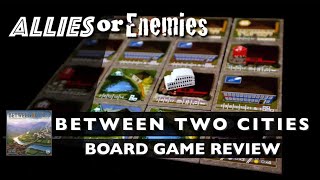
















Between Two Cities Deep Dive
What the Community Thinks About Between Two Cities
Between Two Cities has earned consistent praise from board game reviewers as a masterclass in cooperative, positive gameplay. Across multiple perspectives, the game stands out not for complexity but for its ability to create an experience where conflict dissolves into collaboration. Reviewers consistently highlight the game's accessibility paired with genuine strategic depth, making it an ideal entry point for newcomers while still offering meaningful decisions for experienced gamers. The overwhelming sentiment centers on the game's feel-good nature and its unique position as a competitive game that feels fundamentally collaborative.
Core Mechanics That Define Between Two Cities
Tile Drafting With Forced Cooperation
The core loop of Between Two Cities revolves around drafting tiles from a hand of seven, selecting two to place while the rest pass to neighbors. This simple mechanism creates elegant tension. Players cannot focus entirely on their own success because they must place one tile with each neighboring player. Reviewers note this mechanic teaches fundamental drafting concepts while eliminating the zero-sum antagonism common in many games. The forced partnership means negotiation replaces conflict, as players openly discuss where tiles should go and try to help both cities thrive.
Compound Scoring From Multiple Building Types
The game features buildings that score through distinct systems: shops gain points for placement in straight rows, parks multiply in value when connected, offices gain bonuses from adjacent taverns, factories compete for dominance across cities, and houses derive value from the variety of building types they sit alongside. This multi-source scoring rewards careful planning and creates moments of realization when previously scattered placements suddenly align into high-value clusters. Reviewers appreciate that each building type carries thematic logic. Offices genuinely pair better with taverns where workers enjoy breaks. Houses really do score less if adjacent to factories. The scoring emerges naturally from the theme rather than feeling arbitrary.
The Between Two Cities Experience
A Genuinely Breezy Social Game
Between Two Cities plays in 20 to 25 minutes with no meaningful difference in time whether you play with three or seven players. Reviewers emphasize this scales elegantly and maintains the sense of a quick, light experience even at maximum player count. The game encourages conversation and negotiation without creating analysis paralysis. Turns resolve rapidly. Players spend minimal time staring at the board alone, instead engaging with neighbors about tile placement. This social component proves central to the game's appeal. Multiple reviewers mention having played Between Two Cities without experiencing any animosity or conflict, a rarity in competitive games. The game maintains a relaxed, accessible tone from start to finish.
Collaborative Despite Competition
Mechanically, Between Two Cities operates as a partnership system where each player collaboratively builds one city with the player on their left and a different city with the player on their right. Your final score becomes the lower of these two cities, creating powerful incentive to balance attention. Reviewers stress this structure eliminates the negative player interaction present in most competitive games. You cannot hurt opponents by helping them fail. Instead, the system encourages everyone at the table to help one another succeed. This creates an atmosphere where even players losing are having enjoyable interactions with their partners, making Between Two Cities a gateway game that teaches the mechanics of modern board gaming through positive reinforcement rather than confrontation.
What Makes Between Two Cities Stand Out
Gateway Design That Actually Works
Reviewers repeatedly name Between Two Cities as perhaps the finest gateway game available. The game teaches multiple mechanical concepts: tile placement, drafting, set collection, and scoring from various sources. It does this without overwhelming newcomers. The interaction between players is universally positive, lowering barriers for people new to hobby gaming who might fear competitive conflict. Experienced players can help teach newcomers, and the game's structure incentivizes this mentoring because teaching new players to play well benefits everyone at the table. The elegance of the design means both casual and serious players find value. New players focus on basic strategy while experienced players optimize scoring nuances and city balance.
The Lowest Score Scoring System
Rather than summing your two city scores, you keep only the lower score. This inverts traditional incentives. Instead of specializing in one strong city, you must balance attention across both. Reviewers appreciate how this constraint creates meaningful decisions throughout the game. You cannot dump all good tiles into one partnership and ignore the other. You must resist neglecting either city or both will suffer. This scoring structure, combined with the tile-passing mechanism, makes partnership relationships matter. If one partner neglects your shared city, you feel the impact directly on your final score. The system elegantly enforces cooperation without requiring players to be inherently cooperative.
Potential Drawbacks
Heavily Dependent on Your Partners
One consistent criticism emerges: your success depends significantly on who sits beside you. A poor decision from a partner can drag down a city you cannot fully control. Reviewers note that a single bad placement can swing outcomes from first place to last place. This is not a flaw for those who enjoy collaborative games, but players seeking pure individual agency or those who struggle with outcome variance from partner choices may find frustration here. The game explicitly requires trusting your neighbors to make reasonable decisions and actively negotiate in good faith.
A Filler Game, Not a Heavy Experience
Reviewers consistently describe Between Two Cities as a filler or gateway game, not a deep strategy experience. This is by design but worth noting for different audiences. The game offers elegant design and meaningful decisions within its scope, but it does not provide the sprawling complexity of heavy city-building games like Suburbia or the intricate puzzle of longer economic games. It is a 20-minute activity designed to create positive interaction, teach modern mechanics, and entertain. Reviewers who expected something deeper or something to sustain multiple plays at a high skill ceiling may find it delivers all it promises, just on a smaller scale than they hoped.
If You Enjoy Between Two Cities
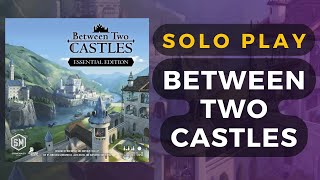
Reviewers recommend exploring other cooperative or semi-cooperative games. For players wanting deeper city-building mechanics, Suburbia offers substantially more complexity and decision space. Those seeking another light, family-friendly building game should try Dream Home. For players drawn to the drafting and set-collection mechanics but wanting more player interaction, Seven Wonders evolves many of Between Two Cities' mechanics into a more competitive draft-focused experience. Between Two Castles of Mad King Ludwig, the game's spiritual successor also from Stonemaier Games, adds room-specific scoring and more complex tile interactions while maintaining the dual-partnership structure.
What Reviewers Are Saying
"Between Two Cities is a feel-good game where all the interactions you have are collaborative and positive. There's no incentive to play negatively and even if you lose this game you will still have a good time interacting with your neighbors."
— 3 Minute Board Games
"No other game does a better job of easing people into the idea of what modern board gaming is than Between Two Cities. The game teaches the mechanics of tile laying, drafting, set collection and scoring victory points from multiple sources, and it's really easy to learn."
— The Cardboard Herald
"I've never played a game of Between Two Cities where there's been any kind of animosity in the game. I think that's a really good start point for anyone building a collection because it encourages teamwork and collaboration while still being a competitive game."
— Watch It Played