


























Clans of Caledonia is a mid-to-heavy economic game set in 19th-century Scotland. At this time, Scotland made the transition from an agricultural to an industrialized country that heavily relied on trade and export. In the following years, food production increased significantly to feed the population growth. Linen was increasingly substituted by the cheaper cotton and raising sheep was given high importance. More and more distilleries were founded and whisky became the premium alcoholic beverage in Europe.
Players represent historic clans with unique abilities and compete to produce, trade and export agricultural goods and of course whisky!
The game ends after five rounds. Each round consists of the three phases:
Players' turns
Production phase
Round scoring
1. Players take turns and do one of eight possible actions, from building, to upgrading, trading and exporting. When players run out of money, they pass and collect a passing bonus.
2. In the production phase, each player collects basic resources, refined goods and cash from their production units built on the game map. Each production unit built makes income visible on the player mat. Refined goods require the respective basic resource.
3. Players receive VPs depending on the scoring tile of the current round.
The game comes with eight different clans, a modular board with 16 configurations, eight port bonuses and eight round scoring tiles.
- Engaging for players who enjoy resource production and engine-building
- Relatively low interaction and friction on the board
- Not as network-building as expected for its ranking
- Economic engine-building with resource production and goals
- Highland Scotland resource production and map-based development
- Agricola
- Caverna
Mechanics (from transcript analysis)
- engine building — Develop a production engine across different terrains and resources.
- engine-building — Develop a production engine across different terrains and resources.
- market dynamics — Prices fluctuate, affecting purchases and production decisions.
- Market Pricing/Manipulation — Prices fluctuate, affecting purchases and production decisions.
- tile placement — Populate a map with meeples to generate resources and fulfill goals.
- Tile/board resource placement — Populate a map with meeples to generate resources and fulfill goals.
Video topics + discussion points
Quotes (from this video)
- Agricola is dated; it shows its age.
- The Crew I just can't recommend.
- A Feast for Odin after quite a few plays is a pretty decent game.
References (from this video)
- deep resource management and market interactivity
- strong thematic cohesion with farming life
- heavy and not beginner-friendly
- cattle, sheep, wheat, and dairy evolving into cheese and bread
- Filling contracts and resource management in a Scottish-inspired market
- deep strategy with interactive market dynamics
- Gaia Project
- Terra Mystica
Mechanics (from transcript analysis)
- contract fulfillment — Convert resources to points via contracts.
- dynamic market pricing — Resource prices rise and fall based on selling and buying activity.
- Market Pricing/Manipulation — Resource prices rise and fall based on selling and buying activity.
Video topics + discussion points
Quotes (from this video)
- there seems to be an element of farming or agriculture to most of his games
- cozy to the farming theme… with bluegrass music in the background
- nostalgic part of me… Harvest Moon
- Rosenberg isn't the only person who has designed a farming game
References (from this video)
- Strong thematic coherence with Scottish whiskey and farming
- Engaging economic decisions and regional interdependencies
- Can be heavy for newcomers
- Some regional variants may feel samey over time
- economic development, farming, and whisky production
- Scotland / Caledonia with whiskey-based industry
- economic engine with strong regional flavor
Mechanics (from transcript analysis)
- Economic engine and production chains — Develop industry, and manage imports/exports to maximize profits.
- Whiskey-focused decision dynamics — Many abilities and strategies link to whisky production and regional power.
Video topics + discussion points
Quotes (from this video)
- this is a really solid euro game by one of our favorite designers Alexander Pfister and one of our favorite publishers Capstone Games
- the reason we're not drinking this right now is because this is actually a friend's bottle
- it's elevated if you have a glass of wine to go with it
- it's an excellent euro game and alexander definitely has a very distinct style
- it's a very very funny game and also the RPG elements
- this is a really great game to play and you should check it out
- it's a lovely little cocktail try it out
- it's a very popular game
References (from this video)
- mechanically engaging with a brass-like feel
- variety through asymmetry and expanding content
- some expansions are new and might require learning
- market manipulation, trade, and expansion
- Scottish Highlands, industrial-era blends
- econ-driven euro with competitive contracts
- Terramystica
- Gaia Project
- Brass: Birmingham
Mechanics (from transcript analysis)
- area/market dynamics — balancing supply and demand within a Scottish setting
- market and contracts — asymmetric economies with contract-driven scoring
- Market Pricing/Manipulation — balancing supply and demand within a Scottish setting
Video topics + discussion points
Quotes (from this video)
- "This is a Rosenberg in which you are drafting tiles and building your own tableau of them."
- "Plus the uh the message that it it's trying to send is really nice too for environmentalism in Africa."
- "So that is my number 10, Click Tree."
- "My number two is Clans of Caledonia. This game is a kind of similar approach in the style of game as Terrammystica, Gaia Project, etc."
References (from this video)
- Smart use of export goods and contract fulfillment
- Accessible yet crunchy scoring and tension
- Limited expansions so far
- Can feel crunchy and punishing at times
- agriculture, resource markets, and regional control
- Scotland trading with villages and clans
- economic, market-driven
- Terra Misca
- Gaia Project
- Queens of Caledonia
Mechanics (from transcript analysis)
- action selection — Eight actions that drive purchasing, selling, and expansion.
- Area Control — Control areas to gain income and influence ship routes.
- Stock market-like market dynamics — Simple supply and demand mechanics influence scoring and decisions.
Video topics + discussion points
Quotes (from this video)
- these games are phenomenal
- it's a true semi-co-op and not a lot of games do semi-co-op well
- the board in the middle the whole point of terraforming mars is to terra for mars
- this is a foster the meeple favorite
- every deck is unique to that character
References (from this video)
- Rich engine-building and thematic consistency
- Rule complexity can be intimidating
- Heavy to teach to new players
- Economic engine-building with raw resource management
- Scotland-inspired agrarian economy
- Historical-themed economic simulation
- Babylonia
Mechanics (from transcript analysis)
- Resource gathering / engine-building — Construct production chains to turn raw resources into goods and score points.
Video topics + discussion points
Quotes (from this video)
- I generally don't like table hog games; I prefer it to be a bit more concise and reigned in.
- I do enjoy teaching games and I feel a much more comfortable teaching games than learning games from other people.
- Luck vs Randomness—Luck is about controlling decisions; Randomness is when you have no control over what happens.
- Publishers underestimate negative reviews; sometimes a negative review can be positive for a publisher because it shows a different demographic that would enjoy the game.
- Babylonia is one of my highest rated games.
- Through the Desert is different enough from Babylonia; Babylonia allows you to place tokens anywhere, Through the Desert has a different scoring mechanism.
References (from this video)
- underappreciated Euro with tight interactivity
- highly interactive for an economic-action game
- strong asymmetry and short but dense turns
- less visibility in mainstream lists
- thematic familiarity may be limited for some players
- economic action selection with asymmetrical powers
- economic strategy with Scottish/clan-themed world
- euro-style strategic depth with thematic flavor
- Brass
- Terramystica
- Bough Island
Mechanics (from transcript analysis)
- asymmetric player powers — Each clan has unique abilities that steer strategy and counterplay.
- asymmetrical powers — Each clan has unique abilities that steer strategy and counterplay.
- economic action selection — Choose from eight possible actions each turn to develop your clan and end-game goals.
- fast two-player pacing — Turns are compact, preventing AP and maintaining momentum.
- variable market — Market conditions swing to reward risk and interaction; outcomes are player-dependent.
Video topics + discussion points
Quotes (from this video)
- Blocking becomes super important because you can only build roofs and pillars so many times during the game.
- There's a ton of mind games involved in this game.
- The dice rolls affect everybody equally. So, we both have to work with the same puzzle.
- It's tense, it's brainy, and it's super satisfying.
- I don't understand why it's not up there with the likes of Brass, Terrammystica, Bough Island, even a bunch of other big strategic games.
- For me, it is Magnum Opus and it deserves all the credit in the universe.
- This is my favorite co-op game of all time and I believe it's the best two-player co-op experience ever.
- There are multiple ways to win and the exploration of discovering new scoring methods is thrilling.
References (from this video)
- Takes proven design system from two successful games
- Adds interesting economic stock market element
- Includes multiple euro game mechanics
- Relatively simple to teach compared to peer games
- Not a huge box
- Was inexpensive when available
- Accessible entry point to complex euros
- No longer readily available in print
- Overshadowed by games it's based on
- Economic development and trade
- Scottish Highlands
- Economic engine-building with stock market
- Terra Mystica
- Gaia Project
Mechanics (from transcript analysis)
- Area Control — Controlling regions of Scotland
- contract fulfillment — Fulfilling contracts for resources and points
- Design system — Uses system from Terra Mystica and Gaia Project
- Economic spin — Adds stock market manipulation to the design system
- Stock market — Manipulating stock prices and selling stock for profit
Video topics + discussion points
Quotes (from this video)
- Overrated has a very negative connotation but if i say something's overrated it means to me this game is ranked something on bgg and i think it's higher than what it should be
- Raiders of the north seas is just like has a really unique work replacement mechanism but all the actions are pretty boring
- The crew is not necessarily like a heinous game i don't think it's a 0 out of 10. i just i'm shocked that it's in the top 50
- Azul is the perfect entry-level game it's very easy to teach it's beautiful it's very quick to play
- Viticulture should be about making the wine right you should be making wine you should be fulfilling wine contracts to to win the game
- Gloomhaven is a dungeon crawler that was kind of a first adopter but it's almost been surpassed
- Losing gloomhaven sucks it sucks so hard because if you lose you gotta replay that mission if you lose you just spent four hours
- I think brass does things so well it's complex but it's not so complex that everybody can learn it
- This is maybe more of a me problem but i get kind of quarterback-y in gloomhaven because i don't want to lose
References (from this video)
- tight integration of economy and geography
- strong asymmetry creates varied play
- great hidden depth for seasoned players
- certain factions can feel overpowered in some setups
- rules complexity can be intimidating
- economic engine, board dominance, resource markets
- Scotland; clans competing in a developing economy
- immersive, robust
- Terra Mystica
- Caverna
Mechanics (from transcript analysis)
- area/territory building on a hex grid — expand territories and exploit neighbors for bonuses
- commodity/market dynamics — in-game markets influence pricing and availability
- engine building with asymmetric clans — use clan powers to drive different strategies
- hexagon grid — expand territories and exploit neighbors for bonuses
- Market Pricing/Manipulation — in-game markets influence pricing and availability
Video topics + discussion points
Quotes (from this video)
- it's a really intense game
- this is the meanest tree game out there
- it's the best trick-taking game of all time
- the economy in this game is probably one of the most interesting parts
References (from this video)
- Three distinct solo variants offering variety and replayability
- The OG solo mode is very consolidated and easy to manage
- Automated opponents in fan and official variants simulate multiplayer dynamics well
- Potential for a robust digital implementation of solo play
- Official solo automata can be maintenance-heavy and less intuitive
- The most complex variant requires substantial setup and rule management
- Some variants may lack the tight competition of multiplayer games
- economic strategy, resource management, and regional development
- Caledonia, Scotland; historical-economic landscape focused on farming, production, and trade within a rural-to-agrarian society
- historical flavor with Euro-style economic engine mechanics
Mechanics (from transcript analysis)
- contracts and market interaction — fulfill contract requirements while reacting to shifting market dynamics and available goods
- Resource management — manage goods and production to meet contracts, optimize scoring, and respond to evolving market signals
- solo-mode variants with dice-driven economy — three distinct solo frameworks where dice or automation simulate opponent behavior and market effects
- tile/board development — place and utilize spaces on a modular or gradually expanding board to influence production and scoring opportunities
Video topics + discussion points
Quotes (from this video)
- this is a fantastic multiplayer game but it has a solo variant in the rulebook
- it's very consolidated it is very easy to manage
- super aggressive it simulates multiplayer play really well
- the official variant is going to be the one that I most often play
References (from this video)
- solid market mechanism and approachable farming theme
- strong reputation in the community (BoardGameGeek top 100)
- lacks the highs and lows some players want; stays mostly in a steady middle gear
- scoring can feel obtuse to new players
- agrarianEuro with market dynamics
- Scottish farming and resource development
- strategic, resource-based farming simulation
Mechanics (from transcript analysis)
- market for buying/selling resources — people trade and manage resources for income and growth
- resource upgrading and board progression — upgrading farms/boards to improve efficiency and scoring
Video topics + discussion points
Quotes (from this video)
- the tile placement itself was meaningful
- the randomized grid of cars with all these different scoring criteria on them
- I still do think highly of this when it still holds my shield of quality
- didn't stay in the collection because it didn't stay played
- the more and more I played it the less satisfaction I got from it
- extremely highly rated
- gateway level game and the gameplay is fun, it's unpredictable, it's wild
References (from this video)
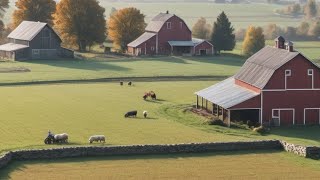
- Clearly conveys gameplay (farming, herding, whiskey)
- Shows what player will be doing
- Very green color scheme
- Generic agricultural theme
- Doesn't differentiate from other agricultural games
- Box cover not selling the game
- Relies on reputation alone
- Farming/herding
- Scotland
- Pastoral
Mechanics (from transcript analysis)
- Worker placement/area control — Scottish agricultural game
Video topics + discussion points
Quotes (from this video)
- The box cover makes a promise to the customer
- Every box cover tells me what I'm going to be doing and how I'm going to be feeling
- This artist is one of the best board game artists working in the industry right now
- This is how you do it
- This cover is a mess
- Striking iconic design
- The box cover is not selling the game