/pic1103979.jpg)
/pic569340.jpg)
/pic1103979.jpg)














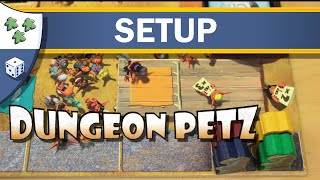








Dungeon Petz Deep Dive
What the Community Thinks About Dungeon Petz
Dungeon Petz draws immediate comparisons to Tamagotchi, the classic handheld pet simulator, but translates that nostalgic care mechanic into a deeply strategic worker placement game. Channels like Totally Tabled and The Board Game Garden consistently praise how the game balances a cute, whimsical theme with genuine mechanical depth, creating an experience that appeals to both casual players charmed by the adorable pet care and strategists hunting for clever, interconnected systems. Designed by Vlaada Chvatil and published by Czech Games Edition, it has become a lasting favorite for many groups.
Core Mechanics That Define Dungeon Petz
The Imp Worker System
At the heart of Dungeon Petz lies a novel approach to worker placement. Rather than placing individual workers on fixed spaces, players simultaneously form their imps into groups of varying sizes in secret, then reveal them all at once. The strength of each group determines turn order, so players must constantly balance between committing a large, powerful party to secure early access to crucial resources, or splitting their forces into multiple smaller parties to take more actions, even if they activate later in the round. This simple but elegant mechanism creates tension and forces meaningful strategic decisions every single turn.
Pet Care Through Card-Driven Needs
Once players acquire their baby monsters, they enter the game's second system: managing living, dynamic creatures with unpredictable needs. Each pet draws from color-coded decks representing hunger, anger, magic, and play. Because each deck contains a mix of its primary symbol and others, players can never fully predict what a pet needs next. Feed a pet when it is hungry, or risk it becoming sick or escaping. This creates the paradox that drives the entire experience: the game feels like you are raising a real creature with genuine personality, even though the mechanics are abstract.
The Dungeon Petz Experience
A Game That Feels Alive
Reviewers return to one phrase repeatedly: the pets feel alive. The card system is responsible for much of this magic. Because you do not know exactly what will emerge from those shuffled decks each turn, there is genuine unpredictability. A pet you expected to need food might demand play or magical attention instead, forcing you to improvise and adapt. Over the course of the game, this creates the illusion that each creature has its own personality, some needy, others surprisingly independent. You become emotionally invested in their wellbeing, which makes the worker placement decisions about acquiring food and supplies feel personally meaningful rather than purely mechanical.
Selling Your Creations to Dungeon Lords
The game's long-term goal anchors all of this pet care: competing to sell the healthiest, happiest monsters to dungeon lords who visit your shop. Each dungeon lord has specific preferences, some want aggressive pets, others prefer gentle or playful ones, and you know which lords are coming several rounds in advance. This creates an interesting tension between optimizing your current needs and shaping your pets strategically to match buyer demand. You might nurture a pet's anger to sell it to a warlord seeking a fierce guardian, or focus on play and happiness for a gentler collector.
What Makes Dungeon Petz Stand Out
Thematic Weight Without Heavy Rules
Dungeon Petz achieves something difficult: it is genuinely heavy in strategy and decision-making, yet never bogs down in rulebook complexity. The worker placement system is straightforward to teach; the card system requires just a few minutes to understand. What makes it challenging is the depth of planning and adaptation required. You are constantly spinning plates, managing resources, tracking pet needs, anticipating dungeon lord visits, and outmaneuvering opponents for crucial actions. That weight emerges entirely from the strategic decision space, not from fiddly rules or excessive bookkeeping.
Replayability Through Unique Pet Combinations
Because each of the available monsters behaves slightly differently, and because the cards in those decks come out randomly, no two games feel identical. A litter of pets in one game might be remarkably easy to manage; in another, the same species could be fractious and demanding. The dungeon lord visit order also changes from game to game, encouraging different long-term strategies. This natural variation, combined with the simultaneous secret action selection in the worker placement, ensures that Dungeon Petz rewards both experienced players and newcomers without creating a runaway leader problem.
Potential Drawbacks
Analysis Paralysis and Downtime
The worker placement system requires simultaneous secret formation of your imp groups before revealing. While this adds dramatic tension, in a group prone to overthinking, someone might take an unusually long time deciding how to split their workforce. The card-drawn nature of pet needs also means you might spend several turns unable to feed a starving creature if the right cards do not emerge, leading to frustration if your pet suffers. The game's theme makes such setbacks feel personal in a way that can sting more than losing a generic action in a more abstract euro.
Complexity of the Pet Card System
While the core system is simple, understanding the probability distribution of cards in each deck, and planning around it, takes several plays to internalize. New players might feel like they are making moves in the dark, especially on the first one or two plays. The game can come across as fiddly during those early sessions, tracking which pets need what, checking multiple card decks, managing the waste that accumulates, before the elegant interconnectedness clicks and suddenly everything feels natural.
If You Enjoy Dungeon Petz
Fans of Dungeon Petz often gravitate toward Caverna, another Vlaada Chvatil design that combines worker placement with deep resource management and the satisfaction of building something lasting. Agricola offers a similar euro puzzle of managing multiple resource streams and competing needs, though without the charming pet care angle. If you loved the imp worker system specifically, Lords of Waterdeep provides a lighter take on worker placement with similar action selection flavor. And if the cute-yet-crunchy theme appeals above all, Calico and A Feast for Odin deliver that cozy-but-deep feeling that defines Dungeon Petz.
What Reviewers Are Saying
"It's just one of five unique clever systems in this game. In terms of brilliant game design, Dungeon Petz might be up there as my number one of all time. There's this card management system where it just makes the pets that you're taking care of feel alive. They have their own personalities and you get attached to these little cardboard pets."
— Totally Tabled
"It's done with such a simple card system, and it makes the pets unpredictable, a little bit alive. I just think this game is so filled with joy. I think it's a truly special game."
— Totally Tabled
"I've watched a few times of them playing this and it looks like a lot of fun. It's very cute and I think I would really enjoy it. There's a lot going on, but the theme is so freaking cute."
— The Board Game Garden