








Hanafuda Deep Dive
What the Community Thinks About Hanafuda
Hanafuda inspires genuine enthusiasm among reviewers. The consensus is clear: this centuries-old Japanese card game offers something rare. Players describe it as delightful, engaging, and uniquely beautiful. The game carries real cultural significance and historical depth that modern reviewers actively appreciate. Reviewers from diverse backgrounds and play styles tend to converge on its charm, though one notable skeptic from The Dice Tower found it overly complicated. For most players, Hanafuda represents not just a game mechanic but an experience that bridges art, history, and engaging gameplay.
Core Mechanics That Define Hanafuda
Set Collection
At its heart, Hanafuda is a set collection game built around matching cards by month. The deck contains forty-eight cards divided into twelve suits of four cards each, with each suit representing one of the twelve months and associated flowers. Players collect matching sets of these cards to form winning combinations. During a turn, a player plays a card from their hand and captures any matching cards from the common area. The beauty of this mechanic lies in its simplicity paired with strategic depth: knowing which sets to chase and when to commit to a collection creates meaningful choices throughout the game.
Push Your Luck
The second pillar of Hanafuda gameplay is the iconic push-your-luck decision point known as Koi Koi, which translates to come on. When a player completes a set, they face a choice. They can call Shou (game over) and score their points immediately and safely. Or they can yell Koi Koi and continue playing, risking everything on the hope of completing another set before the opponent does. If successful, they double their score and can score multiple sets. If the opponent completes a set first, the opponent doubles their points instead. This single mechanic transforms Hanafuda from a straightforward collection game into a tense negotiation between greed and caution, giving every hand a dramatic arc.
The Hanafuda Experience
Delightful and Joyful
Reviewers consistently describe playing Hanafuda as delightful and fun. The experience transcends mechanical engagement. Part of this comes from the visual presentation: the cards are small, beautifully illustrated, and genuinely pleasant to hold and play with. Reviewers note getting lost in the artwork by Vincent D'Tree, whose illustrations for these cards are regarded as exceptional. The tactile pleasure of handling the cards and the aesthetic beauty of the artwork combine to create an experience that feels warm and inviting, even during competitive moments. This is a game that makes players smile simply through interaction with the physical components.
Engaging Tension
The Koi Koi push-your-luck mechanic creates a distinctive emotional arc in play. Moments of opportunity become moments of agonizing decision. Players must read their opponents, assess the board state, and make bets on future draws. The tension builds when a player completes their first set: take what's earned and play it safe, or reach for more? This decision repeats across multiple hands, and the swing between triumph and heartbreak keeps attention sharp. Reviewers emphasize that this design creates a game that feels alive, where choices matter and the outcome remains uncertain until the final card is drawn.
What Makes Hanafuda Stand Out
Incredible Visual Artistry and Accessibility
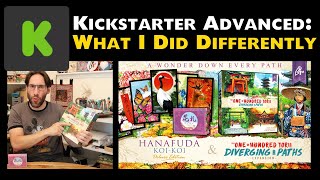
The Pencil First Games edition of Hanafuda features artwork by Vincent D'Tree, considered one of the finest illustrators in board gaming. Reviewers praise not only the quality of the illustrations but also how they elevate a traditional card deck into an art object. The recent large format edition maintains this artistic vision while making the game more accessible through clearer iconography on the cards. The deck itself is a pleasure to own and display. Reviewers note that the beauty of the cards is so engaging that players sometimes get distracted by simply looking at them, absorbed in the visual design. For a game with a history stretching back centuries, receiving this level of contemporary care and artistic respect speaks to how much the designers valued authenticity without sacrificing modern presentation.
Accessible Entry Point to Deep Cultural History
Hanafuda carries genuine cultural weight. The game emerged from a specific moment in Japanese history when gambling was banned, leading creators to design card decks without numbers to circumvent restrictions. Each suit represents a month and a plant, rooted in Japanese seasonal and cultural traditions. Nintendo popularized the game by producing Hanafuda decks before pivoting to video games. Reviewers appreciate that modern editions, particularly from Pencil First Games, pair the game with rulebooks that include historical context and cultural information about Japan and the cards themselves. This approach transforms a simple card game into a bridge to another culture and time period. Players who engage with Hanafuda are not just playing a game; they are participating in a centuries-old tradition with real artistic and cultural significance.
Potential Drawbacks
Learning Curve and Complexity
Hanafuda presents a steeper learning curve than many modern card games. The Dice Tower reviewer Tom Vasel stated bluntly that Hanafuda was complicated and not enjoyable. The presence of multiple card types (brights, seeds, ribbons, scrolls) and the need to memorize or reference which cards form scoring sets create an entry barrier. New players must invest time in learning the card types and winning combinations before the strategic push-your-luck element becomes engaging. This complexity is not insurmountable, but it does mean Hanafuda requires patience and investment from newcomers in ways that simpler dexterity or party games do not.
Production Costs Affect Pricing
Premium versions of Hanafuda carry premium prices. The original deluxe edition from Pencil First Games was priced at 30 dollars, which is considerably more than many card games. While the newer large format edition addresses this at a twelve dollar price point, handmade production versions remain expensive. Manufacturing costs, tariffs, and the complexity of producing traditional-style cards means that higher-quality Hanafuda editions remain investment purchases rather than impulse buys. This pricing can limit accessibility for casual players who want to experience the game without committing to a more expensive edition.
If You Enjoy Hanafuda
Players who love Hanafuda's push-your-luck core will find satisfaction in other games built around similar risk-reward decisions. Games like Coup and Love Letter share that tension of making informed bets with incomplete information. Those drawn to the set collection aspect might explore Ticket to Ride or Splendor, which offer cleaner but less traditionally rooted collection mechanics. The Western card game Casino shares mechanical DNA with Hanafuda and offers a more familiar entry point to similar gameplay. For players interested in exploring other traditional card games from Asia, the Korean game Go Stop uses Hwatu (화투) cards, which are Korean Hanafuda, and offer similar gameplay with slight mechanical variations. Those who want to experience other games designed by or featuring art from Vincent D'Tree will find that work appears across numerous acclaimed modern board games that pair beautiful visual design with engaging mechanics.
What Reviewers Are Saying
"You have an option you can either yell Shou which means game over and you score those points immediately and that's it or and this is the interesting part you can yell Koi Koi which means come on and that means that you are pushing your luck and taking a big risk out here what you're saying is that you think you can create another set before or your opponent does."
— Gaming with Edo & Jessica
"They're so beautiful sometimes I get lost in the art and then I end up picking the wrong cards by accident but that's my own fault I think. It's also a time thing yeah I need to get used to it because we're like wait is this one a bright and you have to like kind of remember all but once you play it a few times you really catch on to those things."
— kovray
"If you've never played Hanafuda, please try it. Whether you tried one of these editions or you just get a traditional one from Nintendo or whatever, it's such a delightful little game and I think it really is a fantastic contrast to sort of the history of poker and hanafuda."
— Gaming with Edo & Jessica