







Hen House Deep Dive
What the Community Thinks About Hen House
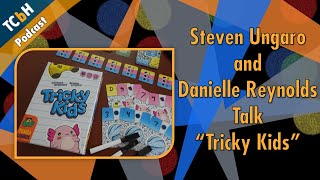
Hen House arrives as a small-box card shedding game from Baron John Games, part of a Kickstarter collection of climbing and shedding games designed by Stephen Anointed (co-designer of Tricky Kids). Reviewers who have played it recognize an elegant, puzzle-like take on the shedding genre, with clever card combinations and a strong thematic presentation. The game draws praise for its design clarity and artistic execution, though opinions diverge on its place in an increasingly crowded shedding game landscape.
The core appeal lies in the puzzle of deciding when and how to play your egg and chicken combinations, enhanced by tactical critter cards that bend the rules in your favor. Reviewers consistently highlight the game's speed and accessibility; it plays in 15 to 45 minutes depending on player count, making it a solid filler that rewards quick decision-making without demanding deep analysis. However, some reviewers note that despite its mechanical cleverness, Hen House does not quite break new ground compared to the growing catalogue of shedding games already available.
Core Mechanics That Define Hen House
Climbing and Shedding
Hen House is fundamentally a climbing shedding game, not a trick-taking game despite early marketing terminology. Players begin their turn by playing a combination of cards (a single card, a pair, a run, a set, or the special hen house combo), and subsequent players must then play a combination of the same type but with a higher rank, or they pass. Once all players pass, the last player to play cards leads the next round, and players continue until one player empties their hand completely.
The pacing creates natural tension: leading gives you control but also reveals your strategy, while following forces you to match combinations you may not have in your hand. This back-and-forth continues until the table clears, at which point the last player to play becomes the new leader. Scoring rewards those who go out first and penalizes those holding cards at the end of a round, encouraging aggressive early play but also rewarding those who correctly gauge when to push forward versus when to hold back.
Matching with Color and Type Constraints
The second critical mechanic is the matching requirement: all cards in a combination must share a common attribute. You can play all brown cards, all white cards, all eggs, or all chickens, but you cannot mix colors or types within a single combo. This constraint creates a puzzle layer beneath the shedding structure, forcing players to think about card combinations beyond just their numeric rank. A strong hand in terms of card counts may still leave you stranded if you cannot form valid combinations across the color and type boundaries.
This matching requirement transforms deck management from a simple "highest card wins" exercise into a genuine puzzle. Players must consider not just what they can play on this turn, but what combinations remain available in their hand for future plays. Reviewers consistently note this aspect makes the game feel more thoughtful than a typical simple shedding game, even though the core rules remain straightforward to teach and learn.
The Hen House Experience
A Clean, Accessible Puzzle
Reviewers describe sitting down to Hen House and immediately feeling comfortable with the rules while still finding interesting decisions to make. The game does not require memorizing complex card relationships or counting tricks; instead, it presents a visual card puzzle on each turn. Do you play your strong hand now, or hold back? Can you form a valid combination, or do you have to pass? The clarity of the matching rule (all brown, all white, all eggs, or all chickens) cuts through potential confusion, letting even casual players grasp their options quickly. One reviewer notes that the game plays "not too complex, not too simple," hitting a sweet spot where the choices matter without overwhelming the table.
This accessibility creates an inviting experience for groups that might shy away from trick-taking games. There is no bidding anxiety, no counting of points, no complex scoring logic to decode. You play, you try to empty your hand, and the player who finishes first wins the round. Over four rounds, whoever accumulates the fewest points wins the game. The directness appeals to players who enjoy quick, tactical card games without heavy rules overhead.
Thematic Egg and Chicken Visuals with Wildlife Twists
Reviewers repeatedly emphasize the visual appeal of Hen House. The artwork centers on eggs and chickens in two distinct colors (brown and white), creating a cohesive, clean aesthetic that immediately communicates the matching constraint. One reviewer calls the cards "beautiful" and praises the design for making the brown and white distinction instantly readable. The farm theme feels thematically appropriate for a shedding game about clearing your hand, and the visual clarity serves the mechanics rather than fighting them.
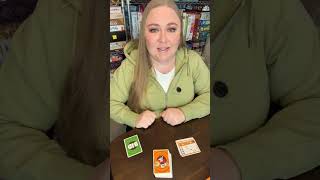
The addition of wildlife modifier cards (a fox, a skunk, and a snake) reinforces the rural setting while introducing tactical flexibility. These critter cards allow you to break the rules in small, specific ways: a skunk lets you play a lower-ranked combination, while a fox or snake lets you remove a chicken or egg from a combination before playing it. These moments of rule-bending feel earned and thematic, giving players a sense of clever play rather than arbitrary exceptions.
What Makes Hen House Stand Out
The Hen House Combo and Critter Cards
The special "hen house" combination, consisting of two consecutive pairs (like two threes and two fours), is highlighted across reviews as a clever mechanical hook. This combo can be played at any time, can only be beaten by a higher hen house combo, and provides a powerful way to break a stalemate of escalating combinations. The critter cards similarly reward clever play: recognizing when to sacrifice a critter card to break the matching constraint and sneak in an unexpected combination adds a puzzle layer that keeps rounds from feeling repetitive.
Reviewers note that the interplay between the matching constraint, the hen house combo, and the critter cards creates moments of satisfying tactical play. You find yourself saying, "If I can get my fox out now, I can play these three eggs without the white ones, and then my opponent will have to match a set of three when they don't have the right colors." These mini-puzzles give Hen House more depth than its quick play time would suggest.
Fast, Portable Format with Elegant Card Design
Hen House ships in a small box, plays in 15 to 45 minutes, and uses only standard-sized cards (no special components, dice, or boards). This makes it genuinely portable and suitable for quick gaming sessions at cafes, on trips, or as a filler between longer games. Reviewers appreciate the economy of design: you get a complete, satisfying game without bloat. The card stock is described as high-quality linen finish, suggesting durability for repeated plays.
The small-box format also keeps the price point low, making it an easy recommendation for casual players or those curious about shedding games. There is no barrier to entry in terms of component investment, and the game justifies its cost through solid mechanical design and visual presentation.
Potential Drawbacks
Familiar Mechanics in a Crowded Genre
The most significant criticism from reviewers is that Hen House, while well-designed, does not break enough new ground. In the current landscape of published shedding games (such as Crisps, Wine Seller, Back Porch, and many others), Hen House offers competent execution of known mechanics rather than a paradigm shift. One reviewer with an extensive shedding game collection notes that "in a world where there's so many trick taking and shedding games, this was just one of them," implying that while the game is solid, it does not motivate keeping it over other shedding games already on the shelf. This is particularly relevant for experienced board gamers who have already explored the genre deeply.
For new players or those new to shedding games, this is not a drawback at all; Hen House serves as an excellent entry point. But for collectors and players with established shedding game libraries, the marginal innovation may feel insufficient to justify shelf space.
Hand Luck and Player-Order Dependency
Reviewers note that Hen House shares a common trait with many shedding games: if you cannot form valid combinations within the matching constraint, you can find yourself locked out of play rounds. A player who draws mostly eggs of one color and chickens of another may pass repeatedly while waiting for better draws. The critter cards and wild cards help mitigate this (and are designed specifically to address it), but some rounds can still leave a player feeling stuck. Additionally, the player order matters significantly in who gets to lead and set the pace; early position provides an advantage in choice, while late position forces reactive play.
This is not unique to Hen House, but it is worth noting for players who dislike hand luck elements or games where position advantage is pronounced. The game does award generous bonuses for going out first, which incentivizes aggressive play and can sometimes overcome unlucky draws, but only if your remaining cards align with what is being played at the table.
If You Enjoy Hen House
Players who appreciate Hen House will likely enjoy other shedding and climbing games. Back Porch, mentioned in reviews as a domino-based shedding game with board play and area control elements, offers a mechanically richer experience for those seeking more depth. Wine Seller, designed by Andrew Styles (who co-designed Three Tricky Pigs and is in the same Baron John Games collection), takes a different approach to card shedding with its own clever twists and is praised for originality.
For those who love the Hen House aesthetic and the simplicity of its rule set, the other games in the Baron John Games Kickstarter collection, such as Three Tricky Pigs and Solar Eclipse, offer variations on the shedding and trick-taking theme with different strategic hooks. Reviewers who enjoy Hen House's clean presentation and quick playtime will find similar satisfaction in these titles.
What Reviewers Are Saying
"Beautiful cards, really, really nice design. I love the chickens and the eggs and the browns and the whites."
- Tabletop Tolson
"It's a fun, quick game of getting rid of your cards in many different ways. Not too complex, not too simple. I really like this one from the bunch of cards."
- Let's Table It
"In a world where there's so many trick taking and shedding games, this was just one of them."
- Board Gaming Ramblings