/pic8050738.jpg)
Game Info
Year
2025
Players
1-2
Age
14+
Playtime
30 min
Complexity
1.5/5
Collection
Ratings
Creator Score
Mechanic profile
Not enough video data yet
Vibe profile
Not enough video data yet
Description
A fast-paced two-player or solo game about the power struggle between Stalin and Trotsky in the early Soviet Union from 1918 to 1924
Ask a Rules Question
All mentions
Browse transcript mentions, sentiments, pros/cons, mechanics, topics, quotes, and references.
Total mentions: 2
This page: 2
Sentiment:
pos 2 ·
mix 0 ·
neu 0 ·
neg 0
Showing 1–2 of 2
Video 0QrxOL-7AZA
Zilla Blitz Discussion at 6:36 sentiment: positive
video_pk 41680 · mention_pk 126319

Click to watch at 6:36 · YouTube ↗
Overall sentiment (raw)
positive
Pros
- Noted for depth and subtle mechanics
- Described as a strong strategic experience
Cons
- Currently discussed as a prototype during the interview segment
Thematic elements
- Power dynamics and strategy around Lenin-era events
- Historical/political intrigue during revolutionary era
- Subtle, multi-mechanic card-driven feel (as described as a GMT title on P500)
Comparison games
none
Mechanics (from transcript analysis)
- card-driven — Players use cards to drive actions and influence political/strategic decisions
Video topics + discussion points
No key topics recorded for this video.
Quotes (from this video)
- The news is somewhat dire but let's not give up yet
- It feels good to be back
- This was the best players in the world I think
- One of the fun things about conference was the place and games we played
- The biggest shift is the balance of life and work; it forced a reorganization
References (from this video)
No references stored for this video.
Video WMxfOlhGf90
Zilla Blitz Interview at 0:28 sentiment: positive
video_pk 37927 · mention_pk 113947
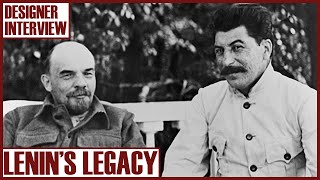
Click to watch at 0:28 · YouTube ↗
Overall sentiment (raw)
positive
Pros
- Deep and elegant card-driven mechanics with subtle interplay between offense and defense.
- Two-player, chess-like tension that rewards strategic thinking and counterplay.
- Strong replayability and depth due to deck-building and variable card flow each game.
- Compact playtime (~30 minutes) with dense, meaningful decisions.
- Interesting integration of deck-building with political power (Army, Party, Fame).
- Solid design philosophy and potential for broad appeal among strategy gamers.
Cons
- Baseline game is two-player; solo mode is added by GMT separately and not designed by the primary designer.
- Hidden information can frustrate players who prefer perfect information.
- Complexity may be daunting for casual players; may require multiple plays to master.
- Some players may wish for longer play sessions to explore deeper interactions.
Thematic elements
- Power struggles, factional politics, control of the army and party machinery, and shaping historical memory.
- Early 1920s Soviet Union during Lenin's health decline and the power struggle between Stalin and Trotsky, covering a few years up to Lenin's death.
- Abstract historical strategy with card-driven, hidden-information mechanics and deck-building elements.
Comparison games
- Watergate
- Churchill
Mechanics (from transcript analysis)
- Card Drafting — Cards are laid on the table; seven cards are available, five face-up and two face-down, creating a black-box choice where players partly know what is available and partly must guess what the hidden card contains.
- Deck Building — Winning certain issues or regions can add cards to the deck, allowing them to recur in future turns and shaping long-term strategy.
- Deck construction — Winning certain issues or regions can add cards to the deck, allowing them to recur in future turns and shaping long-term strategy.
- Fast, tense play with depth — Despite a quick playing time, the game offers substantial depth and subtlety through card interactions and the evolving deck.
- Hidden Information — One card among the available options is hidden, creating tension and uncertainty about what the opponent may reveal or reserve.
- Hidden Victory Points — Three win conditions exist: Army control (medals), Party control, and Fame (reputation), with Fame only applicable if Lenin dies.
- Power-based victory conditions — Three win conditions exist: Army control (medals), Party control, and Fame (reputation), with Fame only applicable if Lenin dies.
- Real-Time — Despite a quick playing time, the game offers substantial depth and subtlety through card interactions and the evolving deck.
- Region and political maneuvering — Regions and party structures provide Reversible, addable cards; controlling regions and party influence can inject special cards into play and alter future rounds.
- threat management — Players maneuver to remove or mitigate threats by playing cards, balancing offense and defense to influence outcomes.
Video topics + discussion points
No key topics recorded for this video.
Quotes (from this video)
- Lenin's Legacy is a shortcut driven game about the period where Lenin's health is decreasing drastically and where Stalin and Trotsky start to fight for power.
- the cards are on the table so there are seven cards, five of these cards are face up and two are face down
- there's a lot of back and forth kind of like a tug of war type of feeling to it
- it's a chess type life experience to it
- we both wanted to play again
- the solo mode... is challenging the players and you can play both Sides also you can play as Stalin or as Trotsky
References (from this video)
No references stored for this video.
Transcript Navigation
Showing 1–2 of 2